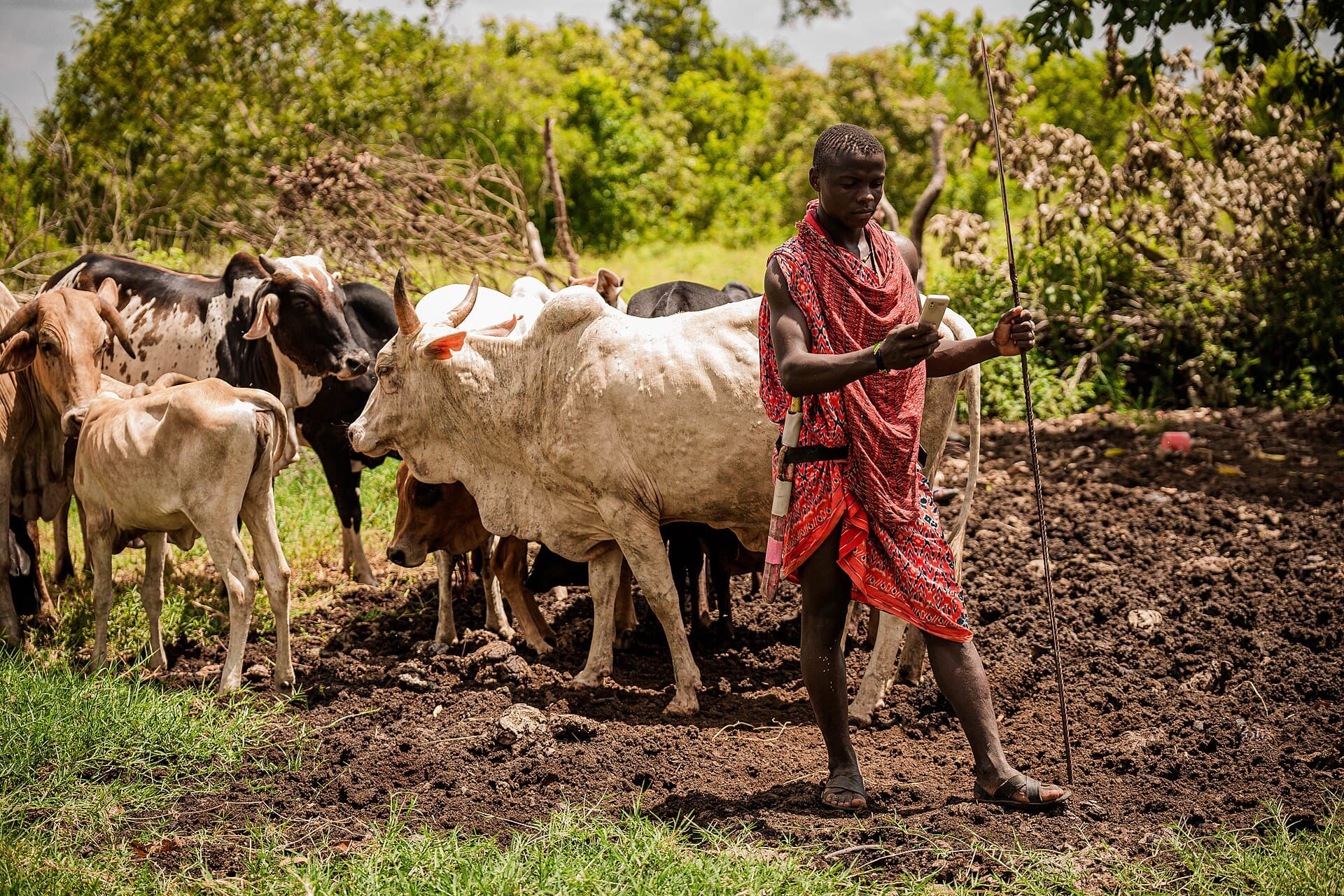
Maasai women grow fodder as drought reshapes Tanzanian pastoralism
The lead report describes Maasai women in Tanzania turning dry-season pressure into income by growing fodder for livestock, a small but telling adaptation in a pastoral economy strained by climate volatility. The core shift is not simply a new crop: it is a move from dependence on open grazing toward more managed feed, cash sales and women's control over a resilience asset. Tanzania's climate plans identify agriculture and livestock as vulnerable sectors, while the European Commission says EU cooperation with Tanzania includes green, resilient and inclusive growth. For Belgium Pulse readers, the story sits at the intersection of climate adaptation, food systems and development policy rather than Belgian domestic politics. It shows how drought response increasingly moves through local enterprise, land access and gendered income choices. The caveat is important: broader Maasai land-rights disputes in northern Tanzania mean any adaptation success story also belongs in a contested landscape of conservation, tourism and pastoral livelihoods.
Verified by Validiris·📚 6 sources·🧠 AI-checked·🇧🇪 Belgian: LowWhy you can trust this
About this story
The Maasai are a Nilotic pastoralist people living mainly in northern Tanzania and southern Kenya, historically organised around cattle herding and seasonal mobility. Tanzania is an East African state formed in 1964 from Tanganyika and Zanzibar, with major rangelands in regions such as Arusha and Manyara. Fodder farming means cultivating feed grasses or legumes for livestock, often to reduce losses when pasture fails. The European Commission is the EU executive body that manages development programming with partner countries, including Tanzania. Team Europe is the EU's joint external-action format combining EU institutions, member states and finance bodies. Ngorongoro Conservation Area is a protected landscape in northern Tanzania created in 1959 where conservation, tourism and resident pastoralist rights have long collided. The Oakland Institute is a California-based policy research organisation that has published critical reports on land and conservation conflicts in Tanzania. Al Jazeera is the Qatar-based international broadcaster that carried the lead report.
How to read this story
The history
Academic work on Maasai livelihoods has long described diversification beyond cattle as a response to population pressure, market integration and rangeland constraints. Tanzania's National Adaptation Programme of Action, submitted to the UN climate process in 2007, identified livestock and agriculture as sectors exposed to drought and climate variability. In 2022 and 2023, official and rights-focused accounts of northern Tanzania drew attention to disputes around protected areas and Maasai land access. That history matters because fodder production can strengthen pastoral households, but only where land tenure, water access and market routes allow women to benefit from the crop they produce.
The geopolitics
Climate adaptation in East Africa increasingly overlaps with food security, conservation, tourism revenue and external development finance. The geopolitical issue is less great-power rivalry than the governance of scarce land and water under warming conditions. European institutions, multilateral lenders and NGOs all influence the options available to pastoral communities, but local tenure and authority decide whether those options become durable resilience.
Why now
The lead report is timely because drought pressure has made fodder a marketable asset for pastoral households that previously depended more heavily on open grazing. It also lands as EU and international donors continue to prioritise climate resilience and food security in East Africa.
What to watch
Watch whether Tanzanian authorities, EU programmes or NGOs move from pilot-style support to sustained finance for women's fodder groups. The key indicators are land-access guarantees, water infrastructure, local feed markets and whether pastoral communities are consulted in conservation and climate planning.
International angle
The European dimension is development policy, not direct Belgian exposure. Brussels-based EU institutions help set and fund external climate-adaptation priorities, and Tanzania is part of the EU's international partnerships portfolio. For European readers, the story is a ground-level test of whether adaptation finance reaches communities whose livelihoods are already changing under climate and land pressure.
What this means for you
For Belgian and EU readers, the practical takeaway is about scrutiny of development spending: adaptation projects should be judged not only by income gains, but by tenure security, water access and women's control over proceeds. Belgian NGOs, researchers and EU staff can use such cases to test whether resilience policy is locally grounded.
What happens next
The next question is whether such fodder schemes remain small household businesses or become part of larger climate-adaptation programmes backed by government, NGOs or development finance. Watch for Tanzanian agriculture and livestock policy updates, EU programming under its Tanzania partnership, and whether local women's groups can secure land, water and market access for feed production.
Potential consequences
If women-led fodder farming scales, it could diversify household income, reduce livestock losses during dry periods and give women more bargaining power in pastoral economies. It could also attract NGO or development-finance attention because it links climate adaptation with gender and food security. The risk is that success stories are used to obscure harder questions over land rights, water allocation and protected-area governance. Without secure access, fodder farming may benefit only households already able to cultivate and sell feed.
Opposing perspectives
- Climate-adaptation practitioners
The European Commission country framing supports the strongest development-policy case: local feed production can make pastoral households less exposed to failed rains, create women's income and fit wider green-growth programming when it is community-led and market-connected.
- Maasai land-rights advocates
The Oakland Institute and rights-focused reporting frame adaptation gains as incomplete without secure land and water access. From this view, fodder farming helps only if conservation and tourism policies do not further restrict the pastoral mobility that Maasai households need.
- Tanzanian conservation authorities
Official conservation arguments emphasise pressure on protected ecosystems and the need to manage land use in globally important landscapes such as Ngorongoro. The strongest version of this view is that climate adaptation, tourism revenue and biodiversity protection must be planned together rather than treated as separate files.
Timeline
- 1959·Ngorongoro Conservation Area was established in northern Tanzania, creating a long-running overlap between conservation management and resident pastoral communities.
- 2007·Tanzania submitted its National Adaptation Programme of Action to the UN climate process, identifying agriculture and livestock as climate-vulnerable sectors.
- 2026-06-11·The lead report described Maasai women in Tanzania earning income from fodder farming during drought pressure.
Glossary
- Team Europe
- The EU's joint external-action approach, combining EU institutions, member states and European development-finance bodies around shared priorities.
- National Adaptation Programme of Action
- A UN climate-process document through which least-developed countries identified urgent adaptation needs before newer national adaptation planning processes expanded.
Related to this story

Live connections from the Belgium Impulse ecosystem — not recommendations.
This briefing was prepared with AI assistance and reviewed by a Belgium Impulse editor before publication. methodology.