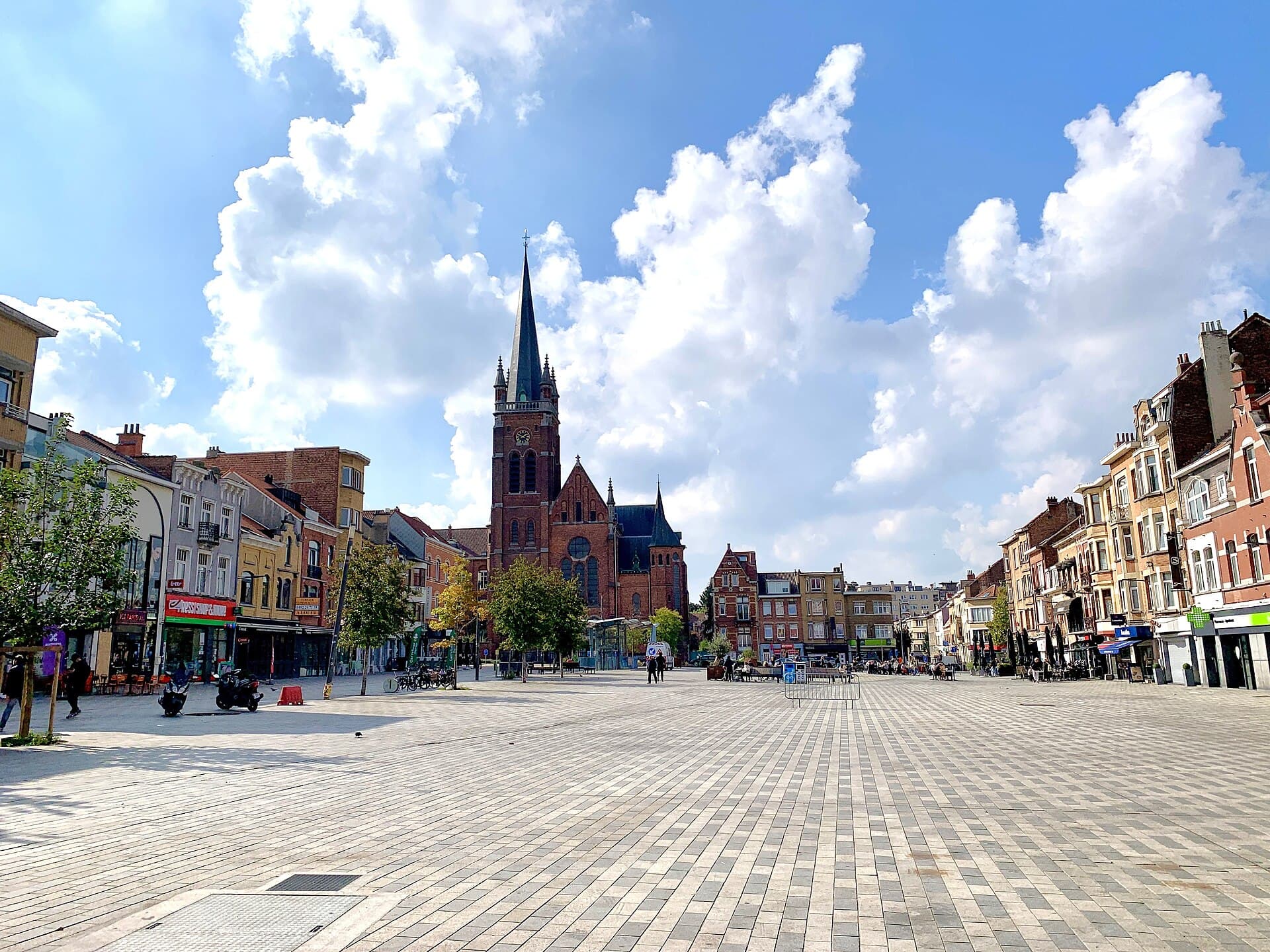
Jette budgets €89,000 to relaunch the Spiegelplein friterie
Jette’s commune says reopening the Friterie du Miroir on the Place Reine Astrid (Spiegelplein) will cost almost €89,000. The cost is presented as covering a replacement fryer plus ventilation repairs, and the municipality says the fryer will be purchased as communal property. The municipal college said a March inspection found the previous fryer non-operational, describing it as roughly 20 years old and weakened by poor upkeep, so it preferred replacement over repeated breakdown repairs. In that same update, the commune said the reopening date is still not fixed and will be announced only after remaining ceiling and technical works are completed. The friterie had been closed after the previous operator stopped trading, and it was later re-awarded through a municipal tender in 2025, with David Antoine and Sébastien de Messemaeker selected in October. The case now links local heritage, night-time public life, and municipal spending control on one of Jette’s most visible street assets.
Verified by Validiris·📚 5 sources·🧠 AI-checked·🇧🇪 Belgian: HighWhy you can trust this
About this story
Friterie du Miroir is the communal fritkot and social meeting point on Place Reine Astrid, commonly called Spiegelplein, in Jette (1090). Commune of Jette is the local municipality that owns the site and signs operation rights through a concession. College of Jette is the municipal executive (mayor and aldermen) that takes implementation and budget decisions on the spot. The Place Reine Astrid / Spiegelplein area is Jette’s central square, with dense late-evening foot traffic around local shops, transport access, and short-meal venues. David Antoine is a Belgian radio presenter and entrepreneur who became one of the concession awardees for this outlet, and Sébastien de Messemaeker is his business partner in the selected application team. Claire Vandevivere is the Jette burgemeester who publicly backed the reopening and represents the city’s political leadership in local hearings. Jennifer Gesquière, then the urbanism schepen, was the city councillor linked to the tender parameters and rental strategy. CEPANI is Belgium’s independent domain-name dispute body and its 2026 decision record confirms the Jette tender timeline and award winner. The Brussels Capital Region Council records are part of the wider regional governance context for municipal spatial projects and public procurement norms affecting local concession structures.
How to read this story
The history
The municipality has debated this parcel repeatedly in a public context. A 2024 Brussels council record already discussed Jette’s fritkot base-structure estimate at around €86,000, a figure councillors considered high for the footprint, and also recorded concerns about monthly delay compensation around €2,000, which highlighted how small street projects can grow into recurring fiscal questions. In 2025, Jette moved into a full call-for-concessions process, reviewed many candidates and shortlisted dossiers before selecting new operators in October. The current 2026 delay therefore continues a documented pattern: high-visibility local assets in Jette are restarted through a public procurement cycle that is often longer than residents expect, especially when old technical installations need replacement rather than cosmetic repair.
Why now
Jette had already promised a faster relaunch in local planning cycles, and the city now faces a public-accountability moment because a delayed asset did not return on schedule. The March technical findings and an €89,000 replacement package have moved the issue from political announcement to immediate implementation risk.
What to watch
Track whether the municipality publishes the final technical completion report, a concrete reopening date, and any revised budget annex. Watch for a revised rent-and-contract communication if the same concerns recur before the start date.
Local impact
The most concrete local effect is on Place Reine Astrid (Spiegelplein) itself: nearby residents, late-evening shoppers, and small businesses lose the social function of a known meeting place while the outlet remains closed. The street-level vacancy also affects perceptions of safety and vitality in an already compact commercial node.
What this means for you
Residents should expect no fixed service date yet and should monitor municipal channels for the reopen schedule. Local traders should adjust opening plans for the square, and families should treat launch timelines as tentative until an official date is confirmed with the new concessionaire.
What happens next
The immediate sequence is technical completion and then a joint communique on a concrete opening date. The council is likely to re-open budget scrutiny questions if delay compensation or extra works extend beyond what was already communicated. In the next phase, the commune and concessionnaires may adjust opening hours, staffing, and menu scope if neighbourhood demand remains high. If they miss another seasonal window, the local commercial ecosystem on the square will remain in transition.
Potential consequences
If the next phase proceeds cleanly, the outlet could restore social density and revenue flow in an area already sensitive to retail closure. If works or contractual terms stall further, Brussels-wide scrutiny could increase around concession pricing and the risk-adjusted costs of public assets, including higher expectations for pre-award technical audits. A costly rollout may also push other communes to revisit how they assess hidden utility loads, utility connections, and contingency clauses before tenders close.
Opposing perspectives
- Jette municipal opposition councillors
According to municipal-floor arguments, the rent and cost structure should first be made politically transparent, because delay compensation and renewal spending should not become a recurring burden on households and local taxpayers. This view insists on lower concession pressure and stricter value-for-money checks before approving further capital works.
- Local commerce actors around Place du Miroir
According to nearby business operators, preserving the friterie is a quarter-level anchor project because closure has reduced street vitality and evening flow. Their stronger reading is that a slower technical restart is preferable to a rushed reopening if it protects quality, safety, and long-term reputation of the site.
Timeline
- 2025-06-30·The commune approved tender conditions for the Friterie du Miroir and opened candidacy arrangements for a new operator.
- 2025-10-22·The council phase of the concession process selected David Antoine and Sébastien de Messemaeker as the new operators.
- 2026-03·A municipal inspection period found the old fryer unusable and triggered the decision to install a replacement unit.
- 2026-06·The commune disclosed a near €89,000 cost package and confirmed that the reopening date is still to be announced.
Glossary
- Communal concession
- A public contract where the municipality keeps ownership of the premises but grants operational rights to a private holder under defined duration and standards.
- College (municipal)
- The municipal executive (mayor and aldermen) that takes day-to-day policy and budget decisions in Belgian communes.
- CEPANI
- Belgium’s independent body handling DNS.BE domain-name disputes, often used as an external record in concession and commercial identity conflicts.
- Concession rent
- The recurring payment from an operator to the commune for use of a public-space business unit, typically set in a tender and indexed.
Related to this story



Pulse Insight — This topic connects to 10 associations, 3 funding programmes, 97 upcoming events and 848 jobs through the Brussels ecosystem.
Live connections from the Belgium Impulse ecosystem — not recommendations.
This briefing was prepared with AI assistance and reviewed by a Belgium Impulse editor before publication. methodology.