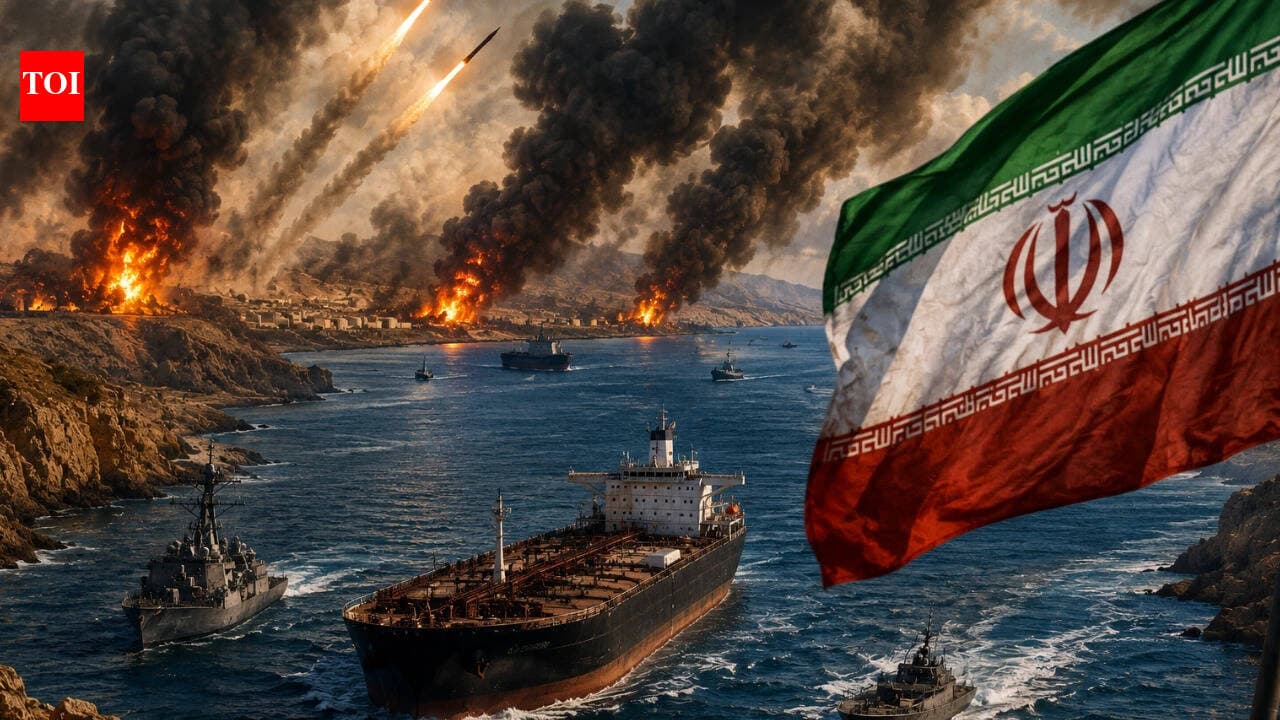
Iran orders ships out of Strait of Hormuz after new U.S. strikes
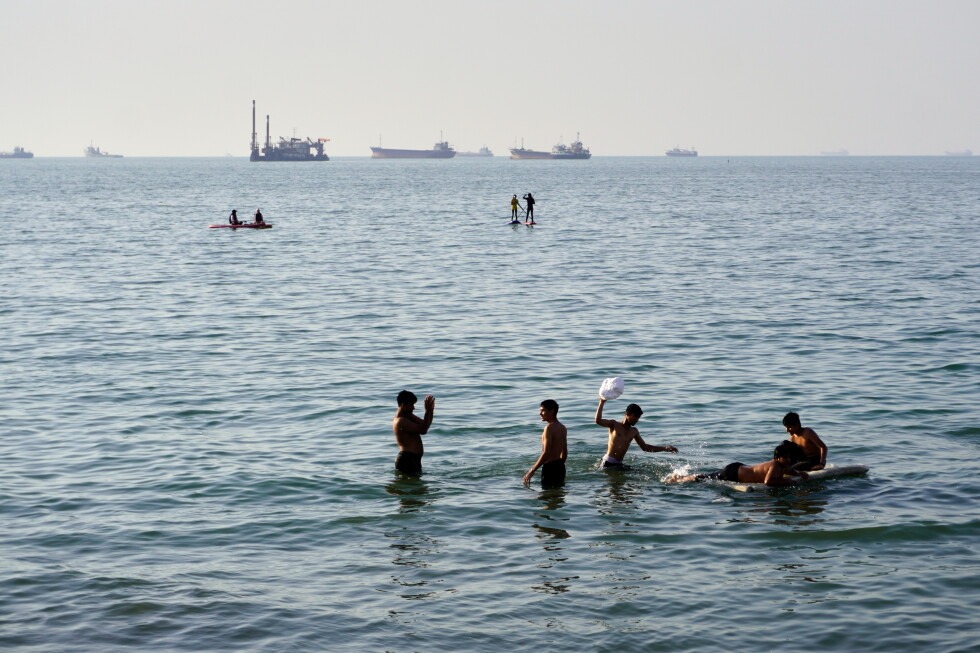
Iran's top joint military command said on June 11 that the Strait of Hormuz was closed to commercial ships and oil tankers after U.S. Central Command said American forces had launched additional strikes on targets in Iran. The claim immediately became contested: U.S. Central Command said commercial vessels were still moving in and out of the waterway, while Iranian state-linked reports claimed vessels had been targeted after trying to pass. The immediate subject is therefore not a settled physical closure, but Iran's renewed order to bar passage through a waterway already restricted by months of conflict. The U.S. Energy Information Administration has described Hormuz as the world's most important oil chokepoint because past flows represented a large share of seaborne oil trade. For Belgium and the EU, the issue is energy, shipping, inflation and security exposure, not direct Belgian involvement in the fighting.
Verified by Validiris·📚 6 sources·🧠 AI-checked·🇧🇪 Belgian: MediumWhy you can trust this
The Iran Conflict: Nuclear, Regional and Diplomatic
The decades-long confrontation between Iran and its adversaries — the United States, Israel, Saudi Arabia, and proxies across the region — covering the nuclear file, sanctions, the JCPOA collapse, the post-October 2023 escalation, and current diplomatic openings.
About this story
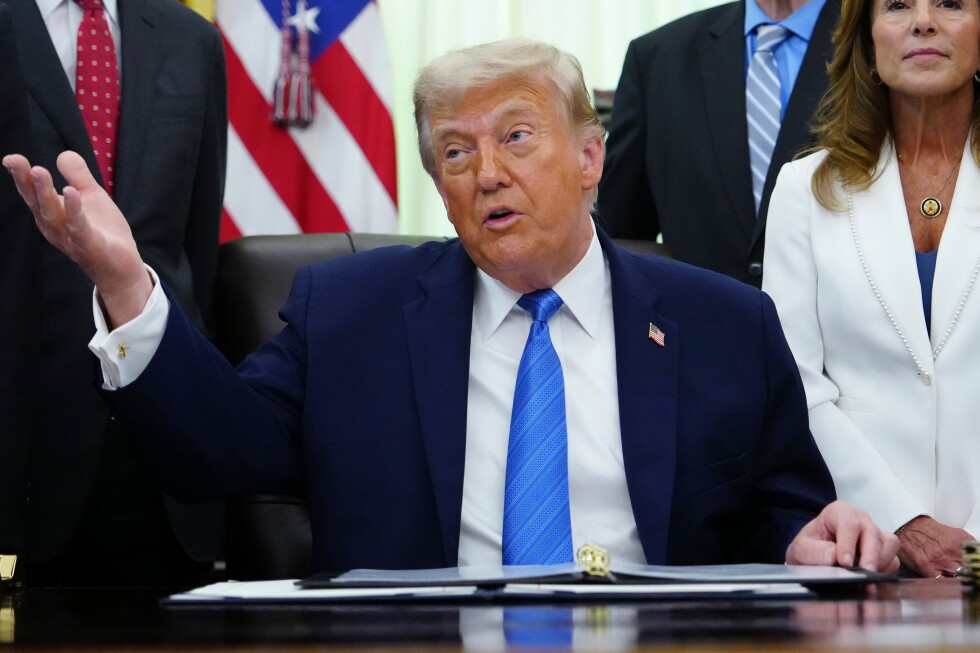
The Strait of Hormuz (narrow sea passage between Iran and Oman linking the Persian Gulf to the Gulf of Oman) is one of the world's main energy chokepoints. The Islamic Revolutionary Guard Corps, or IRGC (Iran's ideologically driven military force, created after the 1979 revolution), operates naval units in the Gulf. U.S. Central Command, or CENTCOM (U.S. military command responsible for the Middle East and parts of Central Asia, based in Tampa), is directing American operations in the region. Bandar Abbas (Iranian port city on the Strait of Hormuz) hosts major naval facilities. Qeshm and Hengam (Iranian islands near the shipping lanes) sit close to reported strike areas. Pete Hegseth (U.S. defense secretary in the Trump administration) has publicly framed the strikes as coercive pressure. Operation Aspides (EU naval security mission launched in 2024 for Red Sea shipping protection) is relevant because EU maritime officials have monitored regional shipping threats.
How to read this story
The history
The Strait of Hormuz has repeatedly been used as a pressure point in U.S.-Iran confrontations. During the 1980s Tanker War, attacks on Gulf shipping led to U.S. naval escorts under Operation Earnest Will in 1987. Iran has also seized or harassed tankers in later disputes, including high-profile episodes in 2019. The U.S. Energy Information Administration's 2012 chokepoint study said the strait handled almost 17 million barrels per day in 2011, roughly 35% of seaborne traded oil at that time. The current escalation is sharper because the closure order follows direct U.S. strikes and competing military claims.
The geopolitics
Hormuz is leverage because geography, energy dependence and military escalation overlap in one narrow waterway. Iran can threaten traffic close to its coast; the United States can project naval and air power; Gulf producers and Asian buyers depend on continuity. Europe sits downstream economically, with limited appetite for direct military involvement but high exposure to supply shocks.
Why now
The story is timely because Iran issued the closure order after U.S. Central Command said it had launched another round of strikes on Iran late on June 10. The new order escalates an already restricted shipping environment into a direct, contested claim over whether commercial transit can continue.
What to watch
Watch independent maritime tracking, insurer advisories, oil and gas benchmarks, and any confirmed vessel damage. The most important political signals will be further U.S. Central Command statements, Iranian military warnings, EU maritime-security coordination and whether Gulf exporters or major shipping lines suspend transit.
Regional impact
The EU-level impact is energy security, maritime policy and diplomatic coordination through the European Commission, Council and external-action institutions. Federal Belgium would feel the pressure through foreign policy, emergency energy planning and national inflation effects. Flanders is more directly exposed through the Port of Antwerp-Bruges and energy-intensive industry, while Wallonia and Brussels would mainly feel consumer, transport and business-cost effects. The regional split is therefore economic and logistical, not a different legal regime across Belgian regions.
Local impact
The clearest Belgian local exposure is the Port of Antwerp-Bruges and its linked petrochemical, logistics and refining ecosystem. A sustained Hormuz disruption could raise freight and feedstock costs for companies moving fuel, chemicals and industrial inputs through Flemish port infrastructure, with secondary effects on hauliers and exporters across the country.
International angle
This is primarily an international security and energy story. The Strait of Hormuz connects Gulf exporters to global markets, while U.S.-Iran military claims affect European consumers through oil, LNG, insurance and shipping. For the EU, the issue is how to preserve maritime flows without being pulled further into a U.S.-Iran confrontation.
What this means for you
Belgian readers should expect volatility rather than an immediate guaranteed shortage. Fuel prices, air fares, freight quotes and business input costs could move quickly if insurers or shippers treat the route as unsafe. Companies dependent on Gulf-linked energy, chemicals or fertiliser should monitor supplier notices and shipping timelines closely.
What happens next
The next step is verification: whether ships actually stop, insurers withdraw cover, or U.S.-escorted traffic continues despite Iran's order. U.S. and Iranian military statements could shape market expectations before independent maritime tracking catches up. EU governments are likely to monitor energy stocks, shipping advisories and diplomatic channels, while any confirmed vessel strike would raise the risk of broader military escalation.
Potential consequences
If Iran's order becomes a sustained operational closure, European fuel and freight costs could rise, with knock-on pressure on Belgian logistics, chemicals, aviation and food supply chains. If U.S. claims of continuing transit prove more accurate, the immediate effect may be volatility rather than shortage. The larger risk is miscalculation: a confirmed attack on a tanker or U.S. vessel could turn a coercive standoff into a broader regional conflict.
Opposing perspectives
- Iranian military leadership
Iran's top joint military command frames the closure order as retaliation and deterrence after renewed U.S. strikes. Its strongest argument is that control of nearby waters gives Tehran leverage against U.S. military pressure and that any transit ignoring the order becomes part of the hostile campaign rather than ordinary commerce.
- U.S. Central Command
U.S. Central Command frames the same episode as a contested Iranian claim rather than a completed closure, saying commercial ships were still transiting. Its strongest argument is that Iran is trying to create fear and insurance disruption while Washington seeks to preserve freedom of navigation and pressure Tehran militarily.
- European energy and shipping stakeholders
European energy and shipping stakeholders would treat the military claims less as a question of propaganda and more as an operational risk. Their strongest concern is that even a partial or disputed closure raises insurance, freight, fuel and delivery costs, with the economic damage spreading before the legal status of the strait is settled.
Timeline
- 1987·The United States began Operation Earnest Will to escort tankers during the Tanker War.
- 2012-01-04·The U.S. Energy Information Administration published its Hormuz chokepoint analysis.
- 2026-06-10·U.S. Central Command said additional strikes on Iran began at 5:15 p.m. ET.
- 2026-06-11·Iran's top joint military command said the Strait of Hormuz was closed to vessels.
- 2026-06-11·U.S. Central Command said commercial ships were still transiting the strait.
Glossary
- CENTCOM
- U.S. Central Command, the American military command responsible for operations across the Middle East and surrounding regions.
- IRGC
- Islamic Revolutionary Guard Corps, Iran's powerful military and security force with naval units active in the Persian Gulf.
- Chokepoint
- A narrow route whose disruption can affect global flows of energy, goods or military traffic.
- Operation Aspides
- An EU naval mission launched in 2024 to protect shipping from attacks in and around the Red Sea region.
Related to this story
Live connections from the Belgium Impulse ecosystem — not recommendations.
This briefing was prepared with AI assistance and reviewed by a Belgium Impulse editor before publication. methodology.