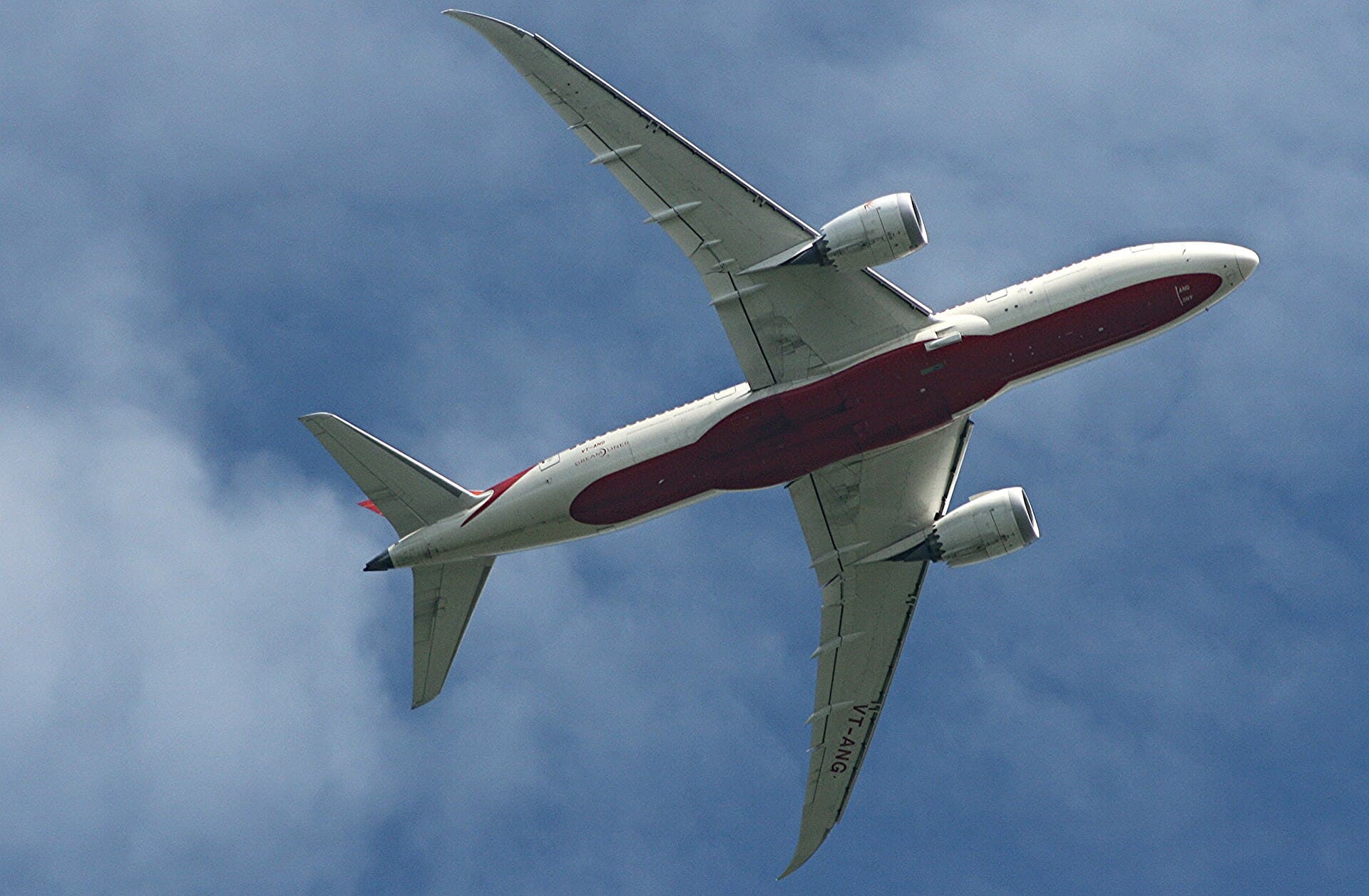
Indian investigators delay Air India crash report for engine analysis
India's aviation accident investigators are expected to miss the first-anniversary target for a final report into Air India Flight AI171, the Boeing 787 crash in Ahmedabad that killed 260 people on 12 June 2025. A source familiar with the investigation said unfinished engine analysis is likely to push publication back, while the AAIB's preliminary report says both engine fuel control switches moved from RUN to CUTOFF seconds after liftoff before being returned to RUN too late to restore safe climb performance. The AAIB has not assigned a cause or blame, and its preliminary report says the safety investigation is meant to prevent future accidents, not determine liability. For Belgian and EU readers, the case matters less as a direct local incident than as a test of international accident-investigation transparency, Boeing 787 oversight and how safety lessons move across global fleets.
Verified by Validiris·📚 7 sources·🧠 AI-checked·🇧🇪 Belgian: LowWhy you can trust this
About this story
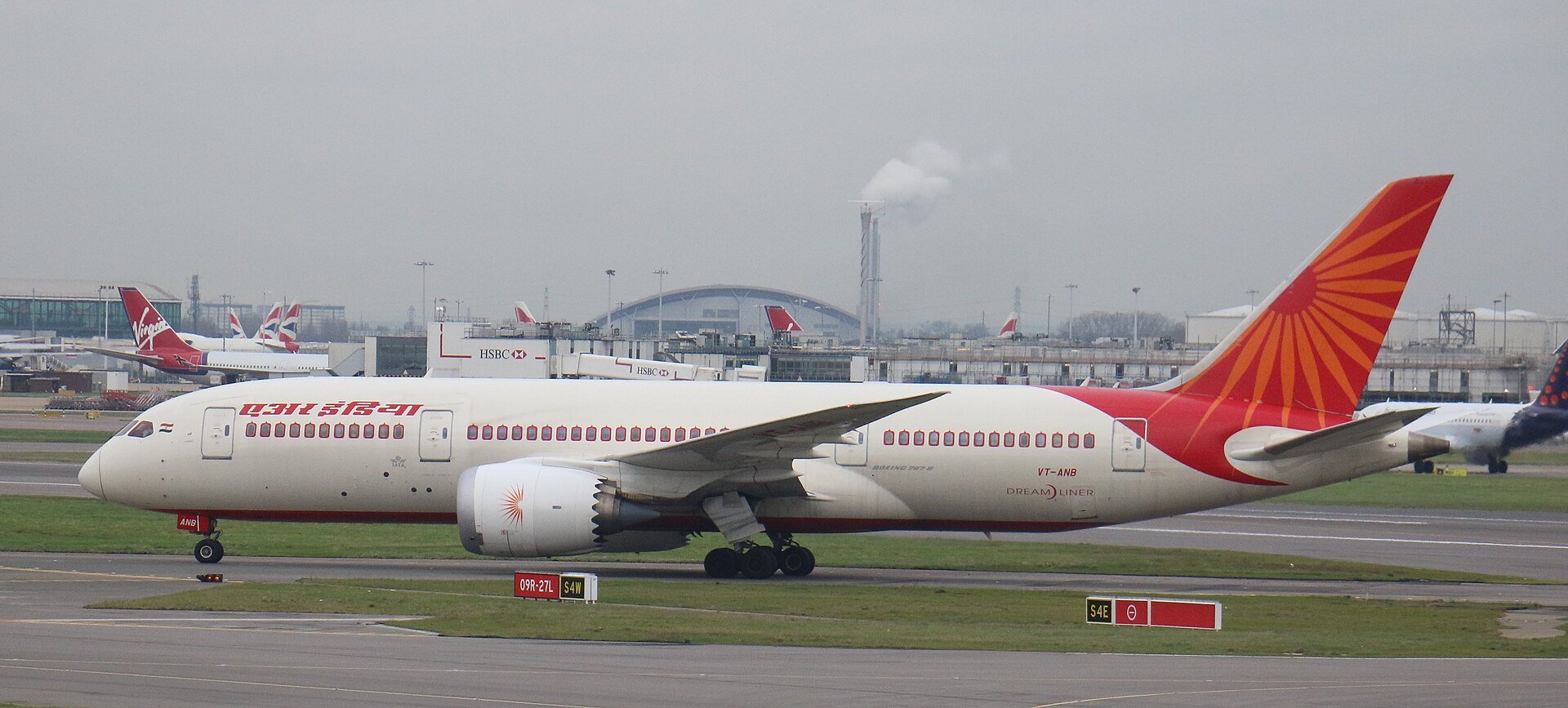
Air India Flight AI171 (Ahmedabad to London Gatwick service on 12 June 2025) is the crash under investigation. Air India (Tata Group-owned Indian flag carrier) operated the Boeing 787-8 Dreamliner, a long-haul aircraft type made by Boeing and powered in this case by GE GEnx engines. Ahmedabad (largest city in Gujarat, western India) was the departure city, and B. J. Medical College (state medical campus near the airport) was struck by the aircraft. India's Aircraft Accident Investigation Bureau, or AAIB (civil aviation crash investigator under India's Ministry of Civil Aviation), leads the probe. The US National Transportation Safety Board, Boeing, GE and the US Federal Aviation Administration assisted because the aircraft and engines are US-designed. ICAO Annex 13 (global accident-investigation standard under the Chicago Convention) frames the inquiry as a safety process, not a liability trial.
How to read this story
The history
The AAIB's preliminary report says the crash was investigated under ICAO Annex 13, whose purpose is prevention rather than blame. That distinction has shaped major aviation inquiries since the 1944 Chicago Convention system matured: investigators publish factual findings, then safety recommendations can lead regulators and manufacturers to change procedures. The Boeing 787 had previously drawn scrutiny after battery-fire events led to a temporary grounding in 2013, but the Ahmedabad crash was the type's first fatal hull loss. The EASA Annual Safety Review 2025 says 2024 had 14 fatal airline accidents worldwide, underlining why rare events still drive fleetwide learning.
Why now
The timing is driven by the first anniversary of the 12 June 2025 crash and the expectation that investigators would publish a final or interim report around that date. Source-based reporting now indicates unfinished engine analysis may delay the final report.
What to watch
Watch whether the AAIB issues an interim statement on or after 12 June 2026, whether it gives a revised publication window, and whether any safety recommendations name Boeing, GE, Air India, cockpit procedures or fuel-control-switch inspections.
International angle
This is a cross-border aviation-safety case: an Indian-operated aircraft was flying to the UK, the aircraft and engines involved US manufacturers, and victims included several nationalities. For Europe, the link is regulatory rather than local: EASA and national authorities depend on credible foreign accident reports to decide whether safety lessons should be reflected in European oversight, inspections or operator guidance.
What this means for you
No immediate action changes for Belgian travellers unless regulators or airlines issue new guidance. Readers booking long-haul trips should avoid drawing safety conclusions from unresolved fragments of the inquiry. The practical signal to watch is whether EASA, national authorities, Boeing, GE or airlines announce inspections, operating bulletins or training changes after the AAIB's next update.
What happens next
The AAIB is expected to publish either an interim update or final report once engine analysis and associated evidence reviews are complete. If the final report is delayed past 12 June 2026, investigators could issue a progress statement under the international safety-investigation framework. Regulators, Boeing, GE and airlines could then assess whether any safety recommendations require inspections, training changes or operational guidance.
Potential consequences
If investigators identify a mechanical, electrical or design pathway for the fuel-switch sequence, regulators could require inspections, service bulletins or procedure changes beyond India. If the final report points mainly to cockpit action or human factors, airlines may focus on training, cockpit-resource management and mental-health safeguards. Either outcome could influence civil litigation, insurance exposure and public confidence in Air India and the Boeing 787, though no final cause has been established.
Opposing perspectives
- Safety investigators under ICAO Annex 13
The AAIB's preliminary report frames the inquiry as a prevention-focused safety investigation, not a proceeding to allocate blame. From that perspective, a delayed final report is defensible if engine teardown, recorder analysis and component testing are still needed to avoid a premature causal finding.
- Victims' families and survivor Vishwash Kumar Ramesh
Families represented by Sanjiv Patel say the delay prolongs uncertainty over how the crash happened and what accountability may follow. Their strongest argument is that compensation and sympathy cannot substitute for a clear public explanation, especially when civil claims and future safety lessons depend on the final findings.
- Air India and fleet operators
Air India said inspections of its Boeing fleet found no fuel-control-switch locking issues, supporting the view that operators should avoid fleetwide conclusions until investigators identify a specific failure mode. The practical concern is that premature speculation can damage trust without producing actionable safety changes.
Timeline
- 2025-06-12·The AAIB's preliminary report says Air India Flight AI171 crashed shortly after takeoff from Ahmedabad.
- 2025-06-13·The AAIB's preliminary report says the aft EAFR was located on the roof of Building A.
- 2025-06-16·The AAIB's preliminary report says the forward EAFR was recovered from wreckage near Building F.
- 2025-06-24·The AAIB's preliminary report says recorder-data download was attempted at the AAIB lab in New Delhi.
- 2025-07-11·The AAIB published its preliminary report on the accident.
- 2025-07-22·Air India said inspections found no fuel-control-switch locking-mechanism issues in its Boeing fleet.
- 2026-06-12·The first anniversary of the crash is the expected reference point for an interim or final investigation update.
Glossary
- AAIB
- India's Aircraft Accident Investigation Bureau, the authority leading civil aircraft accident investigations in India.
- ICAO Annex 13
- The international standard for aircraft accident and incident investigations, focused on prevention rather than assigning blame.
- EASA
- The European Union Aviation Safety Agency, the EU body responsible for civil aviation safety certification and oversight support.
- EAFR
- Enhanced Airborne Flight Recorder, a combined flight-data and cockpit-voice recorder used on the aircraft.
- Fuel control switch
- A cockpit switch that controls whether fuel is supplied to an engine, normally set to RUN during flight.
Related to this story

Live connections from the Belgium Impulse ecosystem — not recommendations.
This briefing was prepared with AI assistance and reviewed by a Belgium Impulse editor before publication. methodology.