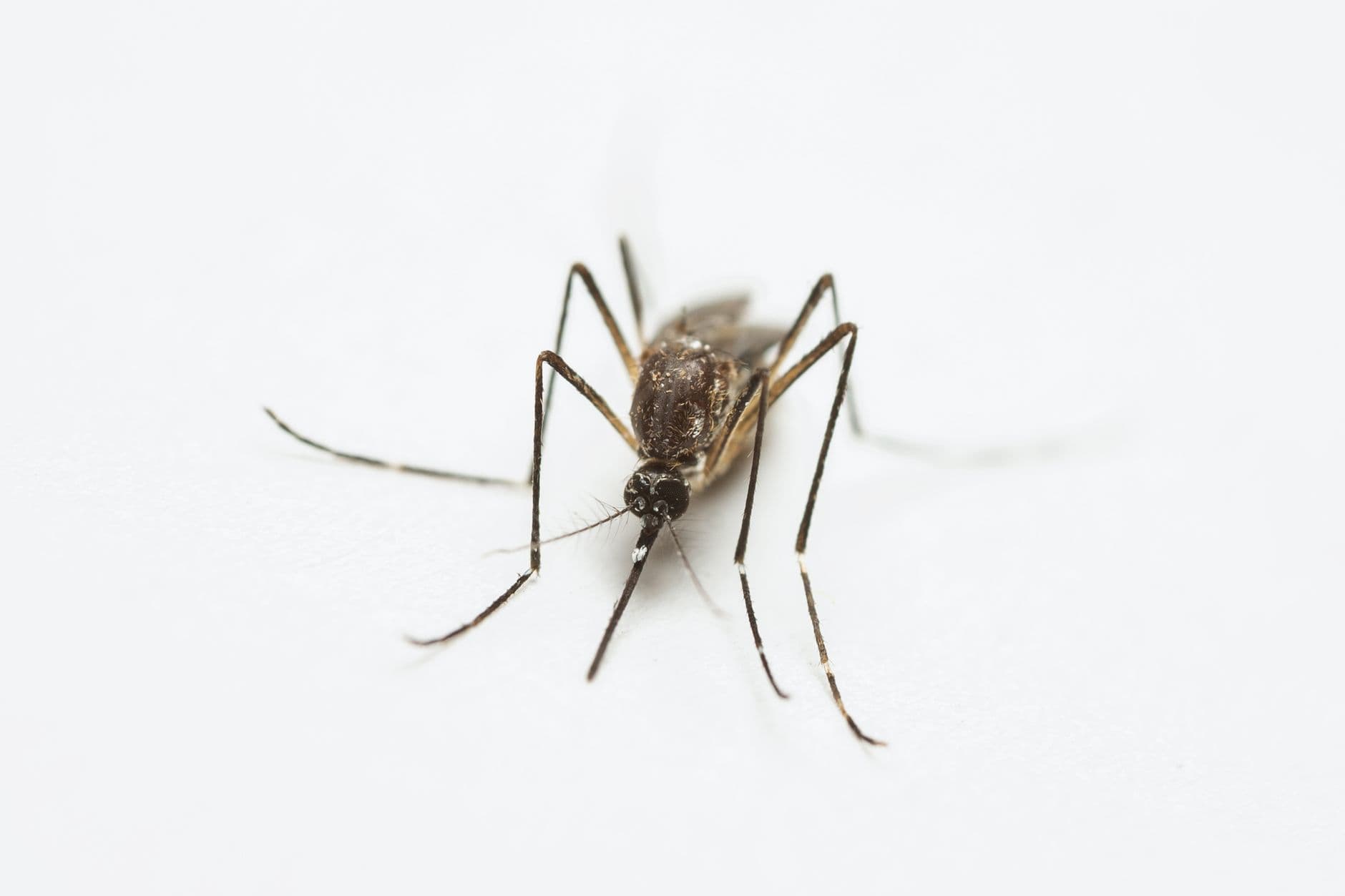
India faces year-round dengue as cases persist beyond monsoon
India’s dengue burden is no longer best understood as a short monsoon-season shock. India’s National Center for Vector Borne Diseases Control says the country recorded 121,824 dengue cases and 131 deaths in 2025, followed by 6,927 provisional cases and 10 deaths by 28 February 2026. The pattern matters because dengue control depends less on hospital treatment than on constant vector surveillance, household water management and fast diagnosis. The World Health Organization says dengue has expanded sharply worldwide, with climate change, urbanisation, rainfall, humidity and the spread of Aedes mosquitoes all increasing risk. For Belgium Pulse readers, the main link is not panic at home: Belgian mosquito surveillance says dengue cases in Belgium are imported in travellers, while tiger mosquitoes are monitored because they can transmit dengue, chikungunya and Zika if local conditions and imported infections align.
Verified by Validiris·📚 8 sources·🧠 AI-checked·🇧🇪 Belgian: MediumWhy you can trust this
About this story
Dengue (a mosquito-borne viral infection caused by four dengue virus serotypes) can cause high fever, severe pain and, in a minority of cases, life-threatening severe dengue. India (South Asian country of more than 1.4 billion people) has large urban, semi-urban and rural areas where Aedes mosquitoes can breed in stored or stagnant water. The National Center for Vector Borne Diseases Control, or NCVBDC (Government of India vector-disease agency under the Ministry of Health and Family Welfare), publishes state-level dengue cases and deaths. Aedes aegypti (the main urban dengue mosquito) and Aedes albopictus (the Asian tiger mosquito now established in parts of southern Europe) spread dengue between humans. The World Health Organization, or WHO (UN health agency founded in 1948), coordinates global dengue guidance. The European Centre for Disease Prevention and Control, or ECDC (EU agency based in Solna, Sweden), tracks dengue for EU/EEA risk assessment. Sciensano (Belgium’s federal public-health institute) and the Institute of Tropical Medicine in Antwerp support Belgian tiger-mosquito surveillance.
How to read this story
The history
WHO says reported dengue cases rose from about 505,430 in 2000 to 14.6 million in 2024, the highest annual total reported to WHO. India’s NCVBDC data show a volatile recent national pattern: 193,245 cases in 2021, 233,251 in 2022, 289,235 in 2023, 233,519 in 2024 and 121,824 in 2025. Earlier dengue control in India was often framed around the monsoon, when rain creates breeding sites. The newer concern is that heat, water storage, urban density and changing rainfall can keep mosquito habitats viable outside the traditional peak months.
Why now
The story is timely because India’s official 2026 dengue table already listed provisional cases and deaths by 28 February, before the core monsoon months, and the June lead reframes dengue as a year-round challenge rather than a seasonal spike.
What to watch
Watch India’s NCVBDC updates through and after the 2026 monsoon, ECDC’s monthly dengue worldwide overview, and Belgium’s summer tiger-mosquito surveillance reports. A key signal would be any locally acquired dengue case in mainland Europe near areas where Aedes albopictus is established.
Regional impact
The effects differ by level rather than by Belgian region. India’s federal and state health authorities carry the immediate burden of surveillance, case management and vector control. At EU level, ECDC uses global dengue activity to assess travel-related and local transmission risks for the EU/EEA. In Belgium, federal public-health actors such as Sciensano and regional environmental-health services are concerned mainly with imported cases, tiger-mosquito detection and prevention messaging rather than a current domestic dengue outbreak.
Local impact
The most local Belgian effect sits with travel clinics, GPs and pharmacies in cities with large international travel flows, especially Brussels and Antwerp. Their practical task is to recognise post-travel fever after India visits, advise against aspirin or ibuprofen when dengue is possible, and direct patients with warning signs to urgent care.
International angle
India’s dengue pattern fits a wider shift in which Aedes-borne diseases are moving with climate, urbanisation and travel. ECDC’s monitoring links Asian case numbers, EU outermost-region transmission and mainland EU/EEA risk assessment, while Belgian surveillance connects returning travellers with tiger-mosquito detection. The story is therefore international first, with a concrete European public-health surveillance tail.
What this means for you
Belgian travellers to India should treat dengue prevention as year-round: use daytime mosquito protection, remove standing water around accommodation where possible, and seek medical advice for fever after return. Clinically, suspected dengue means avoiding aspirin and non-steroidal anti-inflammatory drugs unless a doctor rules dengue out, because WHO warns they can increase bleeding risk.
What happens next
India’s health authorities are expected to keep updating 2026 dengue figures as state reports arrive through the year, with the monsoon still a major test for case growth. In Europe, ECDC will continue monthly global dengue monitoring, while Belgian mosquito-surveillance channels will track tiger-mosquito reports during warmer months. Travellers should watch Belgian travel-health guidance before departure and after fever on return.
Potential consequences
If India’s dengue transmission becomes less seasonal, local authorities may need more permanent mosquito-control staffing, laboratory capacity and public communication. For Belgium, the plausible consequence is more routine year-round travel counselling for dengue destinations and stronger integration of climate adaptation with vector surveillance. A larger global dengue pool could also increase the number of imported infections in Europe, which matters where tiger mosquitoes are present during warm periods.
Opposing perspectives
- Indian public-health authorities
India’s NCVBDC data support treating dengue as a continuous surveillance and prevention problem, not a seasonal campaign. This frame prioritises state-level case detection, household breeding-site removal and early clinical recognition, because provisional 2026 cases were already recorded before the monsoon months.
- European travel-medicine and surveillance authorities
ECDC and Belgian mosquito surveillance frame the European risk more narrowly: dengue is widespread globally, but mainland EU/EEA risk depends on imported infections meeting competent local mosquitoes. For Belgium, the immediate response is traveller advice, diagnosis and tiger-mosquito monitoring, not treating India’s burden as a domestic outbreak.
- Global health researchers
The 2025 Nature Communications study argues that dengue belongs in a wider Aedes-borne disease picture. Dengue, chikungunya and Zika share vectors and environmental drivers, so fragmented disease-by-disease surveillance may miss the broader climate, urbanisation and mobility pattern shaping future risk.
Timeline
- 2000·WHO says reported dengue cases worldwide stood at about 505,430.
- 2019·WHO says global dengue reporting reached a then-unprecedented peak across 129 countries.
- 2023-12-21·WHO assessed global dengue risk as high after a major multi-region upsurge.
- 2024·WHO says reported dengue cases reached 14.6 million globally.
- 2025·India’s NCVBDC says India recorded 121,824 dengue cases and 131 deaths.
- 2026-02-28·India’s NCVBDC lists 6,927 provisional dengue cases and 10 deaths for 2026.
- 2026-03-30·ECDC’s March 2026 overview stated India had reported early-year dengue activity and no mainland EU/EEA dengue cases.
- 2026-06-11·Al Jazeera published the lead story framing India’s dengue problem as no longer confined to the monsoon.
Glossary
- ECDC
- The European Centre for Disease Prevention and Control, the EU agency that monitors infectious-disease threats and issues risk assessments for EU/EEA countries.
- EU/EEA
- The European Union plus Iceland, Liechtenstein and Norway, often used as a public-health surveillance area.
- Sciensano
- Belgium’s federal public-health institute, responsible for surveillance, research and health-risk assessment across several disease areas.
- Superior Health Council
- Belgium’s federal scientific advisory body that issues health recommendations, including on vaccines and public-health risks.
- NCVBDC
- India’s National Center for Vector Borne Diseases Control, the government programme that monitors dengue and other vector-borne diseases.
Related to this story
Live connections from the Belgium Impulse ecosystem — not recommendations.
This briefing was prepared with AI assistance and reviewed by a Belgium Impulse editor before publication. methodology.