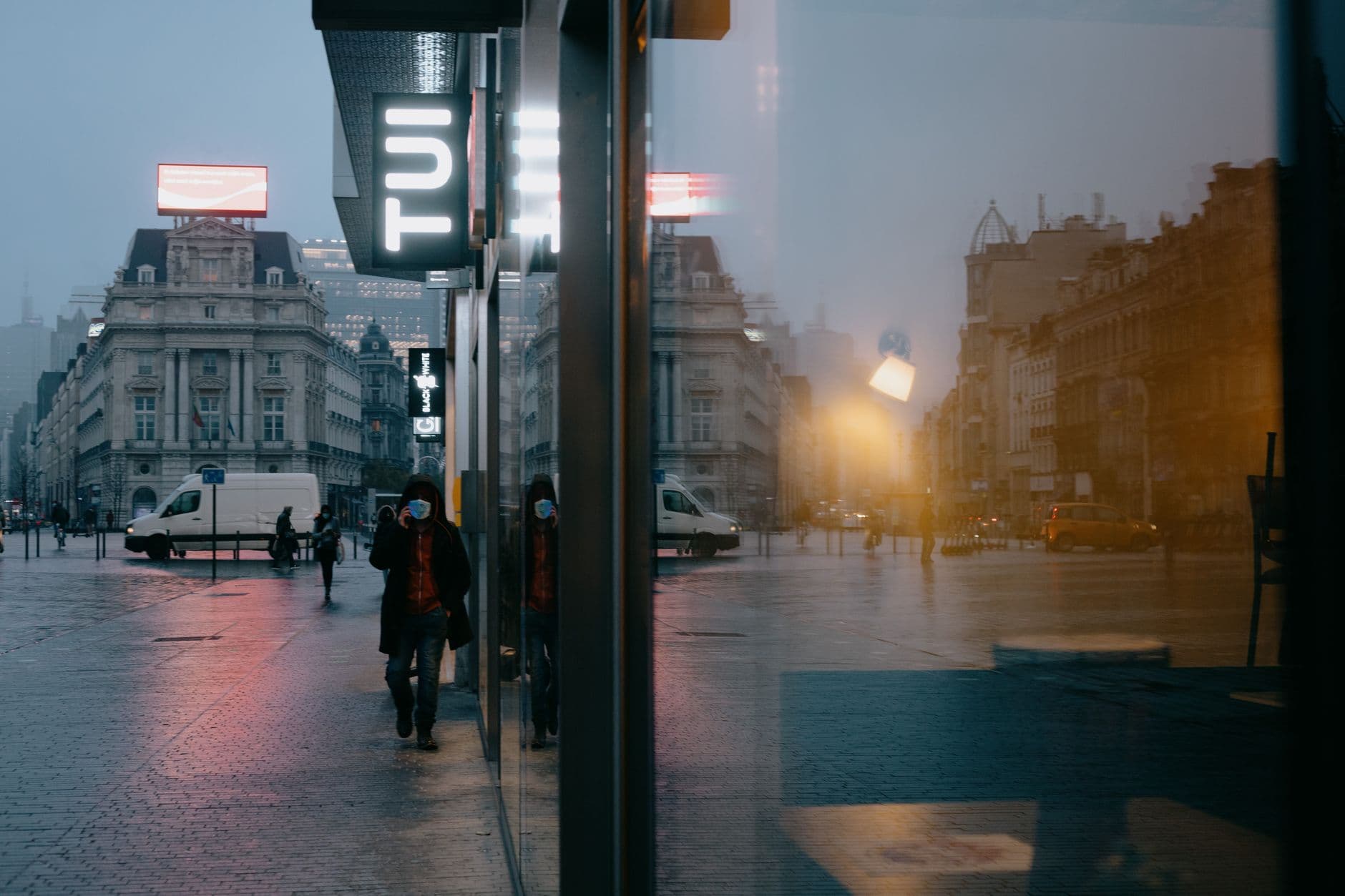
Hundreds of youths gather again near Brussels Central as small fires and firecrackers are reported
Hundreds of young people gathered again in central Brussels on Friday near Brussels Central Station, with small fires and firecrackers reported in the area around one of Belgium's busiest transport nodes, according to De Standaard. The incident puts immediate pressure on the City of Brussels, the Brussels Capital-Ixelles police zone, SNCB/NMBS and STIB/MIVB because the location is not a peripheral trouble spot but the central interchange used daily by commuters, tourists, EU staff and residents moving between the historic centre, the Mont des Arts and the wider Brussels rail network. For Belgium-based readers, the core issue is practical and civic: whether police can keep a dense public space open without allowing disorder to spread into the station, metro passages or surrounding streets. Brussels Central is connected to the national rail system and to metro lines 1 and 5, making even limited disorder visible far beyond the immediate area. In a city that also carries the image of Belgium's capital and the EU's institutional host, disturbances around such a symbolic station quickly become a test of coordination rather than a local nuisance. The immediate facts remain narrow. De Standaard reported that hundreds of youths came together again in Brussels and that brandjes en voetzoekers gemeld nabij Centraal Station, or small fires and firecrackers, were reported near Central Station. At the time of writing, Belgium Pulse found no detailed official incident statement from the Brussels Capital-Ixelles police zone confirming arrests, injuries or transport disruption linked to this specific gathering. That silence matters. In breaking public-order incidents, police and city authorities often need time to distinguish between nuisance, coordinated disorder, youth gatherings and criminal offences. But a lack of rapid official detail also leaves commuters and residents dependent on partial media reports and social media fragments. The named public bodies with direct stakes are PolBru, the City of Brussels led by mayor Philippe Close, SNCB/NMBS as station operator, STIB/MIVB as metro operator, and the Brussels-Capital Region, which carries wider mobility and safety responsibilities. The broader view is that Brussels Central is a compressed urban stage. It is a railway station, metro access point, tourist gateway, shopping corridor and symbolic entrance to the capital centre. SNCB passenger-count data show Brussels Central among the country's top stations, while the police zone's own public information channels stress its role in emergency response, event management and demonstrations across Brussels and Ixelles. That density makes ordinary public-order decisions unusually consequential. There are two legitimate framings. The public-order framing treats the gathering as a risk to safety, mobility and confidence in the centre. Small fires and firecrackers near a station can create panic even when damage is limited. The youth-and-community framing asks whether police and politicians are responding only to visible disorder, without addressing why large groups of young people repeatedly gather in contested public spaces. Belgium's EU angle is present but secondary. This is not an EU institutional incident, and Brussels-as-city should not be confused with Brussels-as-EU-capital. Still, Central Station is part of the daily geography of EU workers, visiting delegations and international residents. Disorder there affects the lived credibility of Brussels as both a local city and an administrative capital. What happens next depends on official confirmation. The key questions are whether police disperse the gathering without escalation, whether transport operators report disruption, whether arrests or injuries occurred, and whether Brussels city officials issue a fuller explanation. If similar gatherings continue, expect pressure on mayor Philippe Close, PolBru, SNCB/NMBS and regional mobility officials to explain both immediate policing and the preventive youth-work response.
Verified by Validiris·📚 4 sources·🧠 AI-checked·🇧🇪 Belgian: HighWhy you can trust this
Live updates
Last updated 7 h ago1 updateOfficial operator pages show no incident bulletin yet
PolBru’s public homepage listed recent general news items but no press release about Brussels Central linked to the reported Friday gathering, while the STIB/MIVB traffic-information page loaded without visible incident details in the browsed text. NMBS’s Brussels Central station page identifies the station at Carrefour de l’Europe/Europakruispunt and lists train-station services, connecting buses and connecting metro access, underscoring why disruption around the site can affect several transport operators. This is context from official operator pages, not confirmation of the reported crowd,
About this story
The subject is a public-order incident in central Brussels: hundreds of youths reportedly gathered again near Brussels Central Station, with small fires and firecrackers reported nearby. The main named stakeholders are the Brussels Capital-Ixelles police zone, the City of Brussels, SNCB/NMBS, STIB/MIVB, mayor Philippe Close and Brussels-Capital regional authorities responsible for mobility and public space.
How to read this story
The history
Brussels Central has long been more than a station. Opened in 1952 on the North-South rail connection, it sits in the political and cultural heart of the capital and has repeatedly been part of national debates about public safety, crowd management and the vulnerability of dense transport spaces. Past high-profile incidents at or near major Brussels stations have made authorities sensitive to disorder in these locations, even when an incident is not terrorism-related or major crime.
Regional impact
The impact is concentrated in the City of Brussels around Central Station, the Mont des Arts, the Grand-Place access routes and the metro-rail interchange. Any police perimeter or station disruption would be felt across the Brussels-Capital Region because Central Station links national rail services with STIB/MIVB metro lines 1 and 5.
Local impact
The local impact is strongest around Brussels Central Station, the Carrefour de l'Europe, the Mont des Arts and nearby metro access points. Residents and commuters may face police perimeters, delays or temporary avoidance of the area if the situation escalates.
International angle
The international angle is limited but real: Brussels Central is used by diplomats, EU staff, tourists and international residents. The story should not be treated as an EU crisis, but disturbances in this area shape how the capital's day-to-day safety is perceived by an international public.
What this means for you
People travelling through central Brussels should check SNCB/NMBS and STIB/MIVB updates, expect possible police presence around Central Station, and use alternative metro or rail stops if access is temporarily restricted.
Opposing perspectives
- Brussels public-order and commuter-safety framing
PolBru, the City of Brussels, SNCB/NMBS and many commuters are likely to frame the incident first as a safety and access issue. In this view, small fires and firecrackers near a packed station are not harmless theatre: they can trigger panic, delay transport, endanger bystanders and damage confidence in the centre. The Belgian framing is local and operational rather than wire-style dramatic: keep the station open, prevent escalation and give clear official information.
- Youth, community and proportional-policing framing
Youth workers, civil-liberties groups and neighbourhood advocates would frame repeated gatherings differently: the question is not only how police disperse youths, but why large groups keep gathering in contested public spaces and whether political language risks treating young people as a security category. This Belgian framing differs from a generic disorder narrative by asking for prevention, outreach and proportional intervention alongside enforcement.
Related to this story
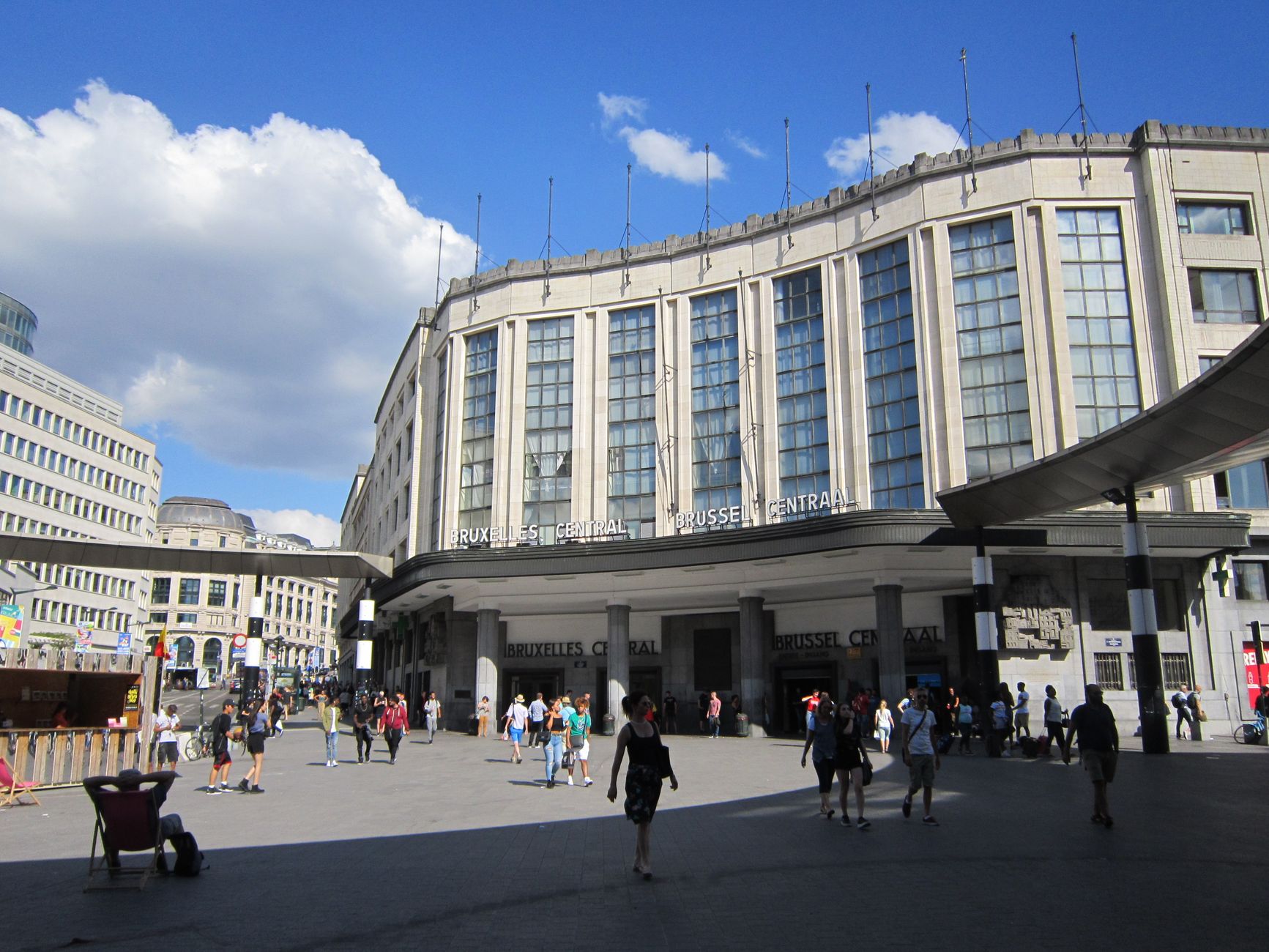
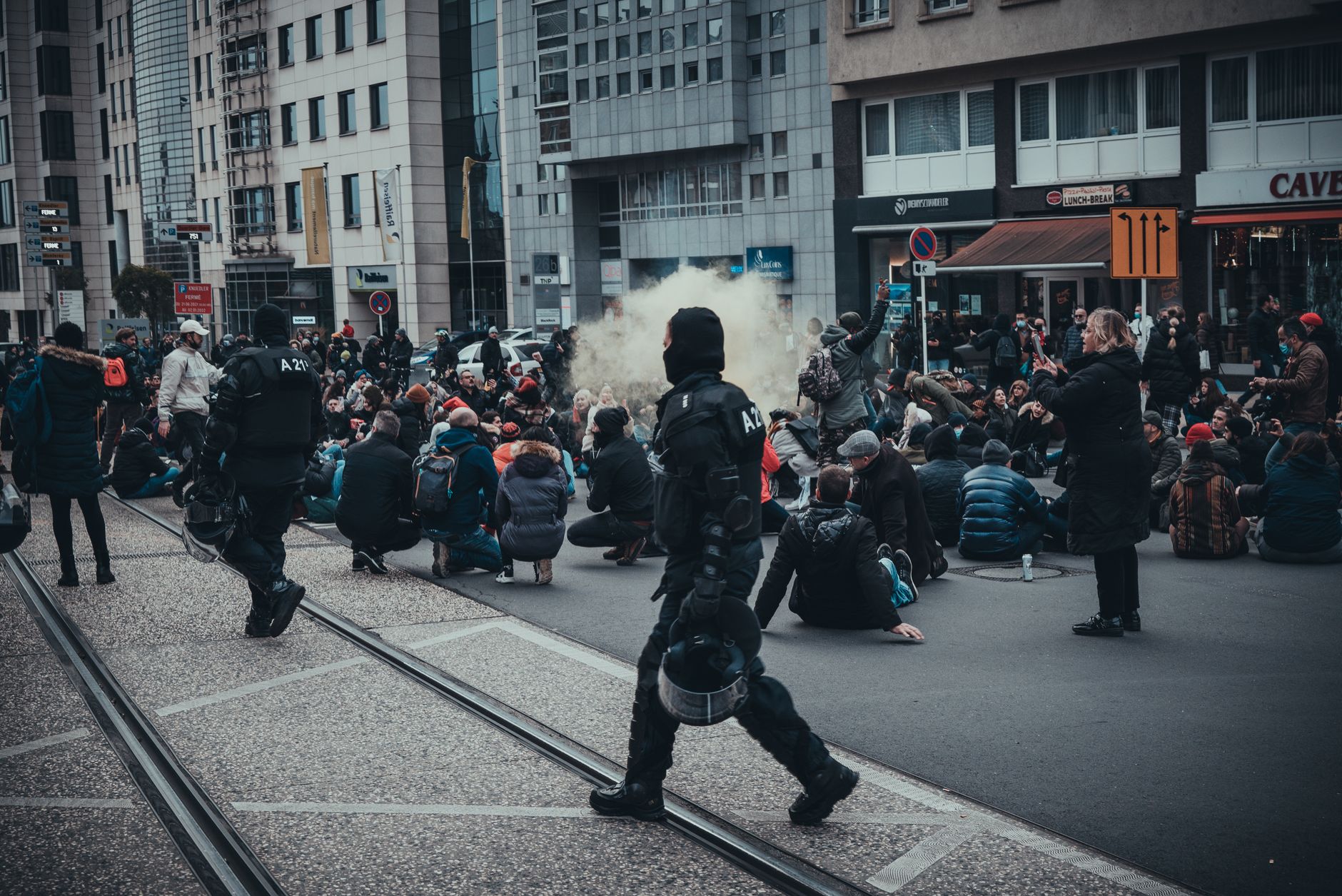
Pulse Insight — This topic connects to 10 associations, 3 funding programmes, 97 upcoming events and 848 jobs through the Brussels ecosystem.
Live connections from the Belgium Impulse ecosystem — not recommendations.
This briefing was prepared with AI assistance and reviewed by a Belgium Impulse editor before publication. methodology.