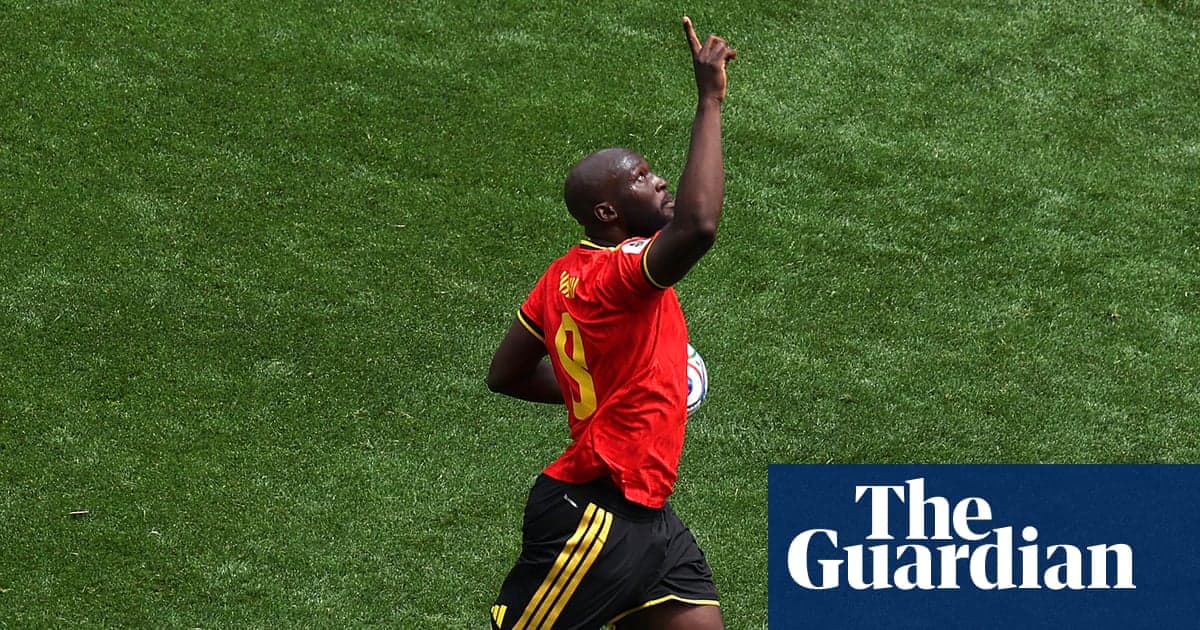
How should you follow Belgium v Egypt at the World Cup from Belgium?
Practical takeaway: Belgium’s 2026 World Cup opener against Egypt was the match that set the tone for Group G, and for people living in Belgium the simplest way to follow this kind of fixture is still through the public broadcasters: VRT for Dutch-language coverage and RTBF for French-language coverage, with local watch settings shaped by your commune or gemeente. If you came across the Flemish headline “Om 21 uur begint het WK voor België: dit moet u weten over openingstegenstander Egypte”, the key context is this: Belgium began its tournament against Egypt in Seattle on 15 June 2026, a fixture that kicked off at 21:00 Belgian time and ended 1-1. Egypt led through Emam Ashour before Belgium forced an equaliser after Romelu Lukaku came off the bench, turning what looked like a difficult opening defeat into a manageable draw. For expats, international staff and newer residents, the useful question is not only what happened on the pitch. It is how Belgium experiences a Red Devils World Cup night: where to watch, what language the coverage will be in, how public screenings work, and why the mood around this team is different from the Hazard-De Bruyne-Lukaku peak years. The match itself was a reminder that Egypt were never a decorative openingstegenstander. Mohamed Salah remains the obvious reference point, but Egypt’s threat also came from a compact defensive structure, quick transitions and the ability to make Belgium’s wide players work in traffic. Belgium had more of the familiar names, including Kevin De Bruyne, Jérémy Doku, Leandro Trossard, Thibaut Courtois and Lukaku, but the performance showed the recurring issue of this generation: talent in possession does not automatically become control of a tournament game. How to watch in Belgium As of FIFA’s 11 June 2026 media-partner list, Belgium’s World Cup rights sit with VRT - Vlaamse Radio en Televisieomroep and RTBF - Radio-Télévision Belge de la Communauté Française. In practice, that means Dutch-language viewers normally look first to VRT/Sporza and French-language viewers to RTBF/Auvio or the RTBF television schedule. In Brussels, both options matter: the region is officially bilingual, and many cafés choose coverage according to clientele rather than postcode. If you are watching from Antwerp, Ghent, Leuven, Mechelen or Hasselt, expect Dutch commentary to be the default in most cafés and communal settings. In Liège, Namur, Charleroi, Mons and much of Wallonia, French commentary will dominate. In Brussels communes such as Ixelles/Elsene, Saint-Gilles/Sint-Gillis, Schaerbeek/Schaarbeek, Etterbeek and the City of Brussels, it is normal to find either language, and sometimes an English-language international feed in expat-heavy bars around Schuman, Place du Luxembourg, Flagey or the centre. What to check before going out First, check the broadcaster schedule on the day, because World Cup match allocation can shift between main channels, digital streams and radio. Second, check the venue’s own social media: many Brussels and Flemish cafés post whether they will use VRT, RTBF or another licensed feed. Third, for large outdoor screenings, check your commune or gemeente website. Public events may require local permission, crowd-control measures or noise limits, especially if screens are placed on squares or terraces. The language point matters more than many newcomers expect. Belgium.be, the federal information portal, explains Belgium’s federal structure through communities and regions and notes the country’s three official languages: Dutch, French and German. That is not a ceremonial detail during a Red Devils match. It shapes the commentary, pre-match interviews, public signage, municipal event information and even the way fans discuss the team. A Flemish headline may say “weten openingstegenstander Egypte”; a French-language café may advertise “Belgique-Egypte”; a German-speaking community venue around Eupen may frame the same evening differently again. What Egypt revealed about Belgium Egypt exposed the central tension of Belgium’s current football cycle. The Red Devils still have elite players, but the old certainty has gone. The 2018 side could impose itself through experience, structure and individual quality. The 2026 version is more transitional: Courtois and De Bruyne still anchor the side, Lukaku remains a psychological and physical reference, while Doku and Trossard represent the attacking present. Yet the defence and midfield balance can look vulnerable when opponents sit compact and break quickly. Egypt’s approach also showed why African and Asian opponents in the expanded World Cup should not be treated as soft fixtures. The 48-team format gives more countries a stage, but it also creates groups where favourites must solve very different tactical problems in quick succession. Belgium’s Group G path through Egypt, Iran and New Zealand was not simply a ranking exercise. It forced Rudi Garcia’s side to deal with different tempos, defensive blocks and emotional pressures. For Belgium-based readers, the broader lesson is practical. Do not assume every Red Devils match will be a comfortable café night with early goals and a late celebration. Plan your viewing, check the language feed, book ahead for popular bars, and remember that late-evening Belgian kick-offs can collide with terrace rules, public transport timetables and municipal noise expectations. What happens next Belgium’s draw against Egypt was followed by a goalless match against Iran and then a 5-1 win over New Zealand, enough to put Belgium into the knockout phase. Egypt also advanced after drawing with Iran. That makes the opener look more important in retrospect: one point against a well-organised Egypt prevented Belgium from chasing the group from a losing position. For the rest of the tournament, the expat service checklist stays the same: use VRT or RTBF as the first legal viewing reference in Belgium; check your commune/gemeente for any organised screenings; choose the language environment that suits you; and treat match times in North America carefully, because Belgian evening kick-offs can vary by venue and round.
Trust & Evidence📚 6 sources· ✓ Editor reviewed· 🧠 AI-checked· Trust status: not yet independently verifiedView evidence & verification Hide
Verification record
- 📚 6 verified sources — De Morgen · The Guardian · FIFA World Cup 2026 Media Partners · Belgium.be …
- 🧠 Medium confidence — AI-checked, editor-approved
- 🇧🇪 Belgian impact: High
- 📜 Provenance recorded & timestamped
Evidence is generated from the OIS evidence chain and reviewed before appearing on Belgium Pulse.
Powered by OIS / Evidentia
The Iran Conflict: Nuclear, Regional and Diplomatic
The decades-long confrontation between Iran and its adversaries — the United States, Israel, Saudi Arabia, and proxies across the region — covering the nuclear file, sanctions, the JCPOA collapse, the post-October 2023 escalation, and current diplomatic openings.
About this story
The subject is Belgium’s 2026 FIFA World Cup campaign opener against Egypt and the practical viewing context for people living in Belgium. Named entities include the Belgian Red Devils, Egypt’s national team, FIFA, VRT, RTBF, Belgium.be, Romelu Lukaku, Kevin De Bruyne, Mohamed Salah, Emam Ashour, Rudi Garcia and Belgian communes/gemeenten.
How to read this story
The history
Belgium’s football expectations were reshaped by the 2018 World Cup third-place finish, the high point of the Hazard-De Bruyne-Lukaku generation. The 2022 group-stage exit then changed the mood. The Egypt opener sat in that transition: still full of major names, but no longer carrying the aura of an automatic contender.
Regional impact
The Belgian impact is strongest in viewing habits rather than policy: Flanders generally follows VRT/Sporza, Wallonia generally follows RTBF, and Brussels’ bilingual communes often offer mixed Dutch, French and international settings.
Local impact
In Belgium, the immediate impact is practical and social: cafés, terraces and public screens become gathering points, while commune/gemeente rules and the Dutch-French language split shape how people actually experience the match.
International angle
The match was part of a wider 2026 World Cup pattern in which established European teams face increasingly organised opponents from other confederations. Egypt’s performance showed the competitive depth of the expanded tournament.
What this means for you
Use VRT/Sporza for Dutch coverage and RTBF/Auvio for French coverage; check café feeds before reserving; consult your commune or gemeente for public screenings; account for Belgian-time kick-offs; and choose Brussels venues by language preference as much as by location.
Opposing perspectives
- Belgian supporters expecting a deep run
Many Belgium fans still judge the Red Devils by the standards of the 2018 generation. For them, Egypt was a match Belgium should have controlled, and the 1-1 draw confirmed worries about defensive balance, tempo and whether the senior stars can still define a tournament.
- Egypt supporters and neutral football viewers
Egyptian fans and many neutrals saw the same match as evidence that Belgium’s opponent deserved respect. Egypt were compact, dangerous in transition and tactically coherent, making the draw less a Belgian failure than a sign of the World Cup’s wider competitive depth.
- Public-screening organisers and local residents
Bars, fan-zone organisers and municipalities benefit from Red Devils evenings because they bring people together and support hospitality venues. Nearby residents and commune authorities may focus more on noise, crowd movement and terrace management, especially for late Belgian-time kick-offs.
Related to this story

Live connections from the Belgium Impulse ecosystem — not recommendations.
This briefing was prepared with AI assistance and reviewed by a Belgium Impulse editor before publication. methodology.