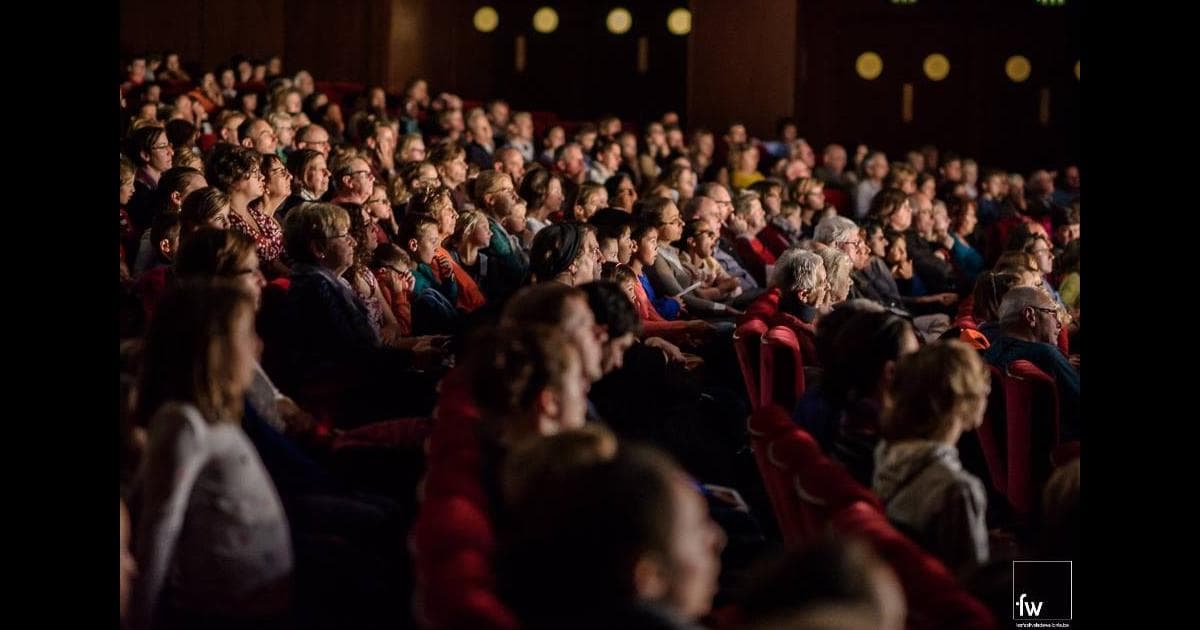
How do I build a practical wallonie festival season from nos coups l'echo picks?
If you are planning life in wallonie this summer, start with a simple filter: three anchor weekends, one city each, and one transport route each. The practical route is to use the official Festivals de Wallonie stream as the backbone, then add one "must-see" local weekend from each profile category before you commit to tickets and family dates. The most robust version of this guide, as of 2026-06-08, is: (1) use the VISITWallonia calendar to lock dates; (2) cross-check each event for booking links, venue access and contact details on the same page; (3) decide whether a weekend fits your language and school context before buying. In practice, this means prioritising these "coups" for now: Festival Musical de Namur (late June to mid-July 2026), the Festival de Stavelot (late summer window), the Festival Musical du Hainaut (September–October 2026), and the Saint-Hubert program in the autumn. For winter and off-season variety, the SoSoir/L'Êt ECHO stream on Mons en Lumières (22–25 January 2026) is a low-cost, high-impact way to test a light-festive family rhythm. This is not a one-size-fits-all top list. It is a planning template for expats, Brussels commuters and Walloon locals who need concrete steps: find a weekend, confirm transport (train, bus, bicycle), verify family language context, and book in advance for high-demand dates. The goal is practical: help readers choose useful festivals now without assuming that one outlet's editorial picks replace the official event infrastructure.
Verified by Validiris·📚 12 sources·🧠 AI-checked·🇧🇪 Belgian: HighWhy you can trust this
About this story
The phrase "l'echo" in the source is a cultural framing, but the operational layer for planning is the official wallonie tourism infrastructure. VISITWallonia presents the Festivals de Wallonie circuit as a seasonal structure rather than a single mega-event, with around 150 concerts and multiple city legs. Key hubs in the 2026 stream include Namur, Saint-Hubert, Stavelot and the Hainaut cities of Mons, Charleroi, La Louvière and Tournai. For practical decision-making, read this as five named checkpoints: 1) Confirm dates from official event pages first. 2) Verify ticketing mode (often online through linked partners). 3) Confirm access and parking or local transport. 4) Match weekends to family and school needs. 5) Use commune-level expectations (language, local communication habits, opening hours) before planning late-night exits. Named entities to anchor your choices: VISITWallonia, Service public de Wallonie, Belgium.be (communities/communes), and train operators (SNCB/NMBS) as practical infrastructure. This gives your wallonie festival plan legal/administrative stability even when the media list changes quickly.
How to read this story
The history
Wallonia has long relied on regional cultural routes that connect several provinces through recurring annual circuits, rather than one centralised mega-stage. The current model combines classical programming, youth-friendly sessions and tourism packaging, which is why the same locations can appear as part of a broader sequence. The system reflects Belgium’s broader tendency to distribute identity and cultural policy through region-level institutions and communes.
Regional impact
In practical terms, the strongest impact is on towns: weekend occupancy, local cafés, and municipal cultural venues. The festivals create short but intense demand for parking, shared transport, accessible routes and short-duration dining. For families and newcomers, the impact is confidence-building: a structured calendar of trusted event points in wallonie lowers the social cost of joining local life.
Local impact
Most direct impact is local: evening mobility, street-level services, family movement patterns, and weekend hospitality demand in small and mid-size towns across wallonie.
International angle
Direct international impact is limited, though cross-border visitors and Brussels-based residents can use the same event and transport planning logic. Internationally minded readers may value the French-language cultural concentration and travel connectivity.
What this means for you
Practical checklist: (1) Build a 3-weekend max calendar. (2) Use VISITWallonia for each event page before buying tickets. (3) Check SNCB/NMBS and InfoTec for the day-of route. (4) Confirm commune language and school calendar if you have children; use Wallonia.be/enseignement and relevant commune channels. (5) Keep one low-cost/free event in reserve for late cancellations. This is the no-drama way to survive wallonie "coups" season.
Opposing perspectives
- Families and children’s groups prioritising predictability
Some residents and newcomer parents argue the wallonie festival season should be curated around weekday breaks, school timing and low-cost access, not editorial "coups". Their constituency prioritises childcare, public transport reliability, and easy return options over lineups. For this audience, the strongest metric is not prestige; it is whether the venue is reachable without long waits, whether toilets and exits are clear, and whether ticketing remains manageable for a family with young children. This view is legitimate because Wallonia has many excellent events where the practical friction can still outweigh the artistic one. A wallonie guide that ignores this turns a cultural map into a logistics failure.
- Local cultural operators focused on occupancy and tourism
Municipal offices, venue operators and local tourism teams often view the festival circuit as a seasonal growth engine. Their argument is that weekend concentration and high-traffic headliners are necessary to sustain regional spending on transport, food, accommodation and hospitality jobs, especially in towns outside Brussels. This constituency tends to push for visibility and ticket conversion, while critics worry this can crowd local life. The tension is real in policy: cultural density versus livability. Both positions shape how expats experience wallonie events in practice.
Related to this story
Pulse Insight — This topic connects to 10 associations, 4 funding programmes, 89 upcoming events and 12389 jobs through the Wallonia ecosystem.
Live connections from the Belgium Impulse ecosystem — not recommendations.
This briefing was prepared with AI assistance and reviewed by a Belgium Impulse editor before publication. methodology.