How did Aalst’s CIRK! draw 35,000 visitors despite the downpours?
Aalst’s 17th CIRK! street-circus festival attracted an estimated 35,000 visitors from 28 to 30 August 2026, although heavy Saturday rain forced programme changes.
In 30 seconds
- CIRK! ran in Aalst from 28 to 30 August 2026.
- Organisers estimated attendance at about 35,000 across the weekend.
- The programme comprised 94 acts at 16 locations.
- Heavy Saturday rain led to several programme changes.
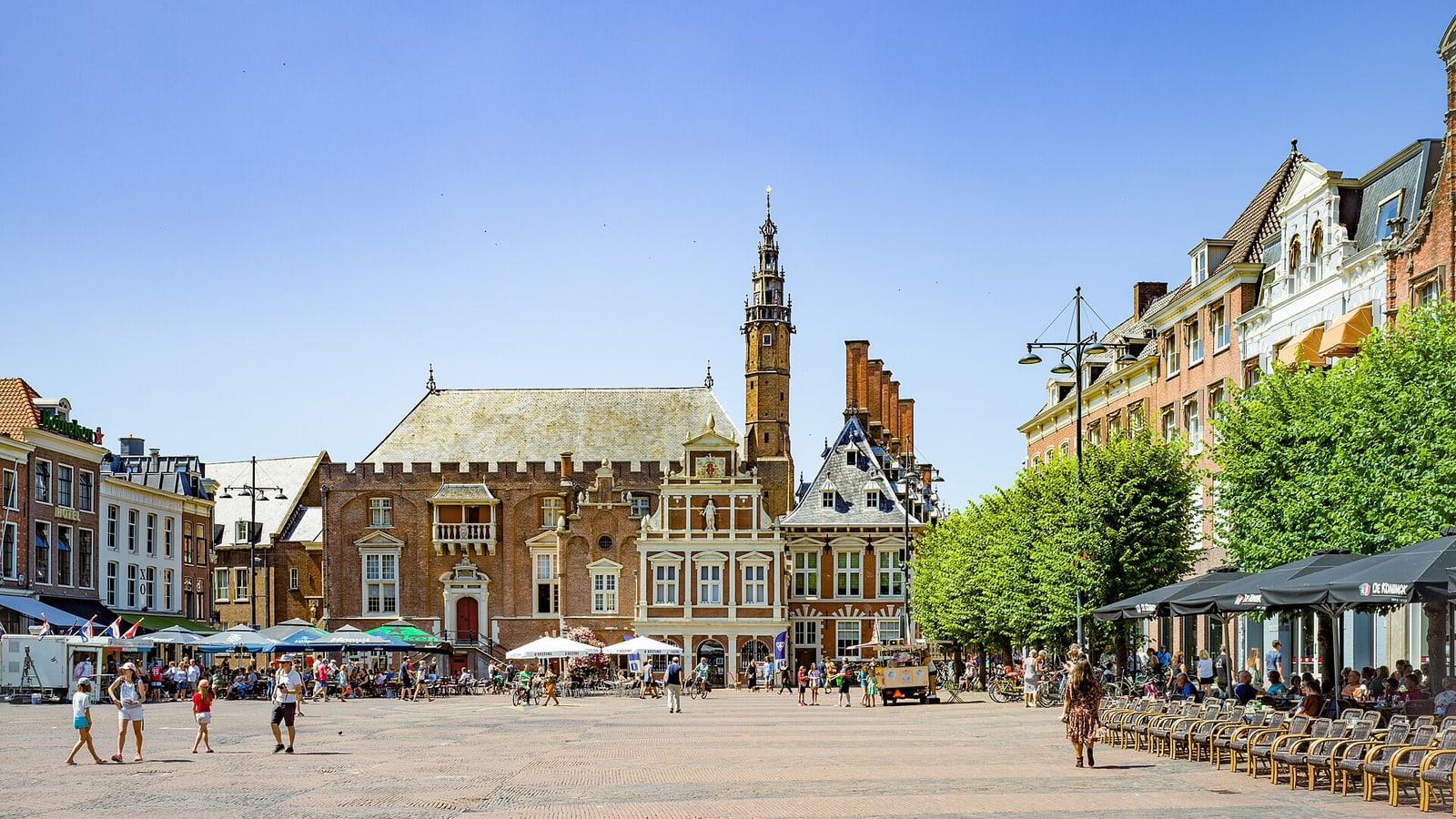
’s CIRK! street-circus festival drew an estimated 35,000 visitors to the East Flemish city from Friday 28 to Sunday 30 August 2026, despite heavy showers that forced organisers to adjust parts of Saturday’s programme. According to Het Nieuwsblad and post-event reporting based on the organisers’ figures, the 17th edition presented 94 acts across 16 squares and other public spaces. For newcomers to Belgium, its appeal is unusually straightforward: much of CIRK! is free, the centre lies within walking distance of Aalst railway station, and most performances require little or no Dutch.
The rain caused several programme shifts rather than a wholesale cancellation. Sunday brought better conditions, while the equestrian production “D’Or et de Sang” by Tempo d’Eole emerged as one of the most popular shows. An additional Monday-evening performance sold out quickly, regional outlet Persregio Dender reported. “Ki No Nagare”, created by Collectif Malunés and Arne Sabbe, also filled its three performances in Parktuin Schelfhout. These productions sat alongside acrobatics, street theatre, live music and participatory activities from local circus school Sarakasi.
The attendance total is an organiser estimate rather than a count of individual ticket holders. That distinction matters because CIRK! occupies open public space and visitors can move freely between sites. It is therefore best read as an indication of overall footfall, not as an audited tally of unique people. Even with that caveat, the figure shows that a city of Aalst’s size can turn its streets into a substantial cultural destination at the end of the Flemish summer.
Why CIRK! works for an international audience
Street circus travels well across language boundaries. CIRK!’s official practical-information page says most performances are wordless or remain understandable without following all the dialogue. That makes the festival accessible to residents still learning Dutch, families hosting visitors from abroad and people arriving from Brussels, Ghent or elsewhere in Belgium for the day.
Aalst is a Dutch-speaking gemeente in Flanders, so official announcements, signs and last-minute schedule changes normally appear first in Dutch. Useful terms include “gratis” for free, “afgelast” for cancelled, “uitverkocht” for sold out and “verplaatst” for moved. Staff and volunteers may be able to help in French or English, but visitors should not assume that every performance or notice is multilingual. Checking the CIRK! website immediately before departure remains the safest approach when rain is forecast.
The city’s public-space model also keeps the threshold low. The official festival guidance says entry to the outdoor programme does not require a general ticket. Shows in tents or indoor venues with limited capacity may be ticketed, however, and are marked with a ticket symbol in the programme. Tickets are normally sold through the festival webshop and De Werf Cultuurhuis. If CIRK! cancels a ticketed performance, the organiser says the purchase price is refunded automatically; tickets cannot ordinarily be exchanged or refunded simply because a visitor changes plans.
Getting around without a car
For most visitors, the train is the simplest option. NMBS/SNCB station Aalst stands beside one performance area and within walking distance of the Grote Markt, Werfplein, Vredeplein, Pupillensite and other central locations. Cyclists can use the guarded bicycle parking in the town-hall courtyard, entered through Zwartezustersstraat. Drivers can use the city’s public car parks, although Stad Aalst warns of heavier traffic during the festival.
The festival information point is traditionally housed in a container on the Grote Markt. It provides programme advice and UiTPAS information, though staff do not sell tickets directly there. UiTPAS, the Flemish leisure card used by participating gemeenten and cultural institutions, lets holders collect points; residents entitled to a reduced participation tariff should check the conditions attached to their own UiTPAS region, because those benefits are not identical everywhere.
Accessibility information is built into the programme through symbols. The organiser identifies wheelchair-accessible shows and offers a limited number of wheelchair places where ticketing permits. Separate ear and eye icons indicate productions that rely mainly on visual content or, conversely, on sound, music and touch. Free squares can become crowded, so CIRK! advises wheelchair users and others needing assistance to arrive early and contact a volunteer in a festival T-shirt.
More than an end-of-summer spectacle
CIRK! belongs to a broader Flemish effort to treat contemporary circus as a performing art rather than only travelling entertainment. The Flemish Department of Culture, Youth and Media listed €285,000 in project support for Stad Aalst’s CIRK! programme over 2024–2026, subject to approved annual budgets. That public backing helps explain how the city can combine international companies, Belgian artists and locally rooted participation on a largely free programme.
The festival also fits Aalst’s established habit of using public space for collective performance. Carnival remains the city’s best-known cultural export, but CIRK! offers a less satirical, more family-oriented counterpart: the streets become the stage, spectators circulate instead of occupying one auditorium, and the boundary between local residents and day visitors softens. In 2024, Het Nieuwsblad reported roughly 45,000 visitors for the 15th edition. Comparing that figure directly with 2026 would be unwise without consistent counting methods and weather conditions, yet both totals point to durable public interest.
The two perspectives surrounding such an event are complementary rather than sharply opposed. Stad Aalst and the organisers emphasise cultural reach, Belgian talent and the atmosphere created across the centre. Visitors, nearby residents and accessibility users are more likely to judge success through reliable schedule updates, manageable crowds, shelter and clear route information—needs made particularly visible by this year’s downpours.
CIRK! is expected to return on 27, 28 and 29 August 2027, according to regional post-event reporting. The detailed programme, ticket prices and mobility arrangements have not yet been published. Anyone considering a first visit should watch the official CIRK! and Stad Aalst websites from summer 2027, reserve limited-capacity shows early, and keep a rainproof layer close at hand. The 2026 edition demonstrated that bad weather can alter an open-air festival, but need not erase the communal pleasure on which it depends.
What to do
For a future CIRK! visit, travel to Aalst by train and expect to cover most central venues on foot. Most outdoor performances are free and can generally be followed without Dutch, making them suitable for international residents and families. Check the official practical-information page and programme shortly before departure, especially when rain is forecast, because outdoor schedules can change. Reserve tickets early for indoor or tent shows likely to reach capacity. Bring waterproof clothing and allow extra time between locations; the next edition’s dates, programme and ticket conditions should be confirmed through official Aalst channels.
The Belgian angle
The festival brought substantial footfall into Aalst’s centre and gave local performers, hospitality businesses and public spaces a prominent role in a three-day East Flemish cultural event.
EvidenceWell established · 1 primary source + 3 official documents + 1 independent reporting source · Background sources: 1Explore evidence →Hide evidence ↑
- Published:
- 31 Aug 2026, 02:00
- Retrieved by ODIN:
- 1 Sept 2026
- Publication date unavailable
- Retrieved by ODIN:
- 1 Sept 2026
- Publication date unavailable
- Retrieved by ODIN:
- 1 Sept 2026
- Published:
- 31 Aug 2026, 02:00
- Retrieved by ODIN:
- 1 Sept 2026
- Published:
- 1 Sept 2024, 02:00
- Retrieved by ODIN:
- 1 Sept 2026
- Published:
- 25 Aug 2024, 02:00
- Retrieved by ODIN:
- 1 Sept 2026
Voices & reactions
What the main actors are doing
Reported positions, summarised — not direct quotationsStad Aalst and festival organisers
The organisers present the attendance, broad programme and resilience in wet weather as evidence that CIRK! remains a successful and accessible end-of-summer cultural event, with Belgian companies and local circus participation embedded in an international line-up.
Visitors, neighbours and accessibility users
For people navigating crowded public squares, the meaningful test is not attendance alone but whether schedule changes are communicated quickly, routes remain passable, accessible viewing places are available and shelter or alternatives exist when severe rain disrupts outdoor performances.
The story, connected
Explore the people, places and ideas in this story
Go beyond the headline. Open a card for sourced context, maps, official links and the other subjects connected to this report.
Continue reading


This story was assembled from verified evidence, with its sources and reasoning recorded as it was written.
This briefing was prepared with AI assistance and passed Belgium Impulse source, provenance and publication-quality checks. A human editorial review was recorded for this version. methodology.