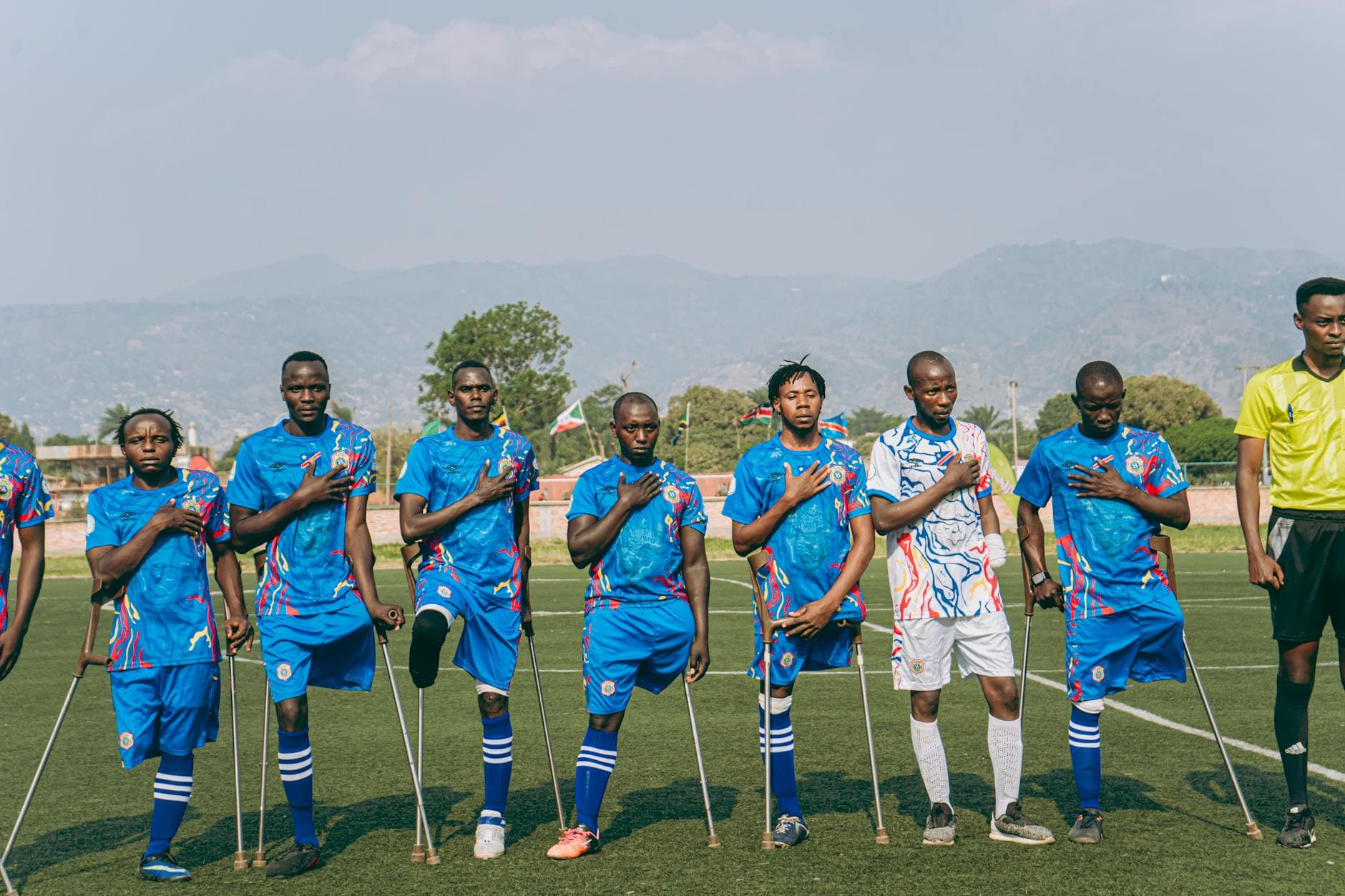
Haiti’s World Cup return faces cost and visa barriers for its fans
Haiti’s men’s team returned to the World Cup finals after a 52-year gap and is now in Group C. In the tournament setup, Haiti opens against Scotland on 13 June in Foxborough, then faces Brazil in Philadelphia and Morocco in Atlanta. That sporting story is now entangled with affordability: the listed ticket for the opening match is $2,100, and parking is quoted at $150, with a one-mile-plus commute from satellite lots and an MBTA round-trip of $80 from Boston’s South Station. Community organisers and families in Boston say many households sit outside this travel budget. The access gap is amplified by visa controls, as the U.S. State Department lists Haitian nationals in the full suspension category under Proclamation 10998 from 1 January 2026, with narrow sporting-event exceptions. The Town of Foxborough says match days also bring heavier traffic and changed travel patterns, so even a paid ticket may still fail to guarantee attendance.
Verified by Validiris·📚 8 sources·🧠 AI-checked·🇧🇪 Belgian: LowWhy you can trust this
About this story
Haiti national football team, known as the Grenadiers, is Haiti’s men’s side and is returning to the World Cup after decades away. Frantzdy Pierrot is the team’s striker who at the time of the 2026 cycle played for Turkish club Caykur Rizespor. Julio Midy is the founder of Boston-based Radio Concorde, a Haitian community media platform. Ruthzee Louijeune is a Boston City Councillor who represents wards with a large Haitian and migrant population. Steevenson Chanson is a defender for Boston International High School’s Division 5 football programme and a youth representative in the article’s community interviews. Donald Trump was the U.S. president signing the travel orders shaping who can get visas quickly. Gianni Infantino is the FIFA president coordinating the 2026 tournament framework. Presidential Proclamation 10998 is the 2025 U.S. order that maintains full and partial visa restrictions tied to national security screening. The Massachusetts Bay Transportation Authority, or MBTA, runs the Boston-to-Foxborough commuter rail route used by fans. Foxborough, Massachusetts is the host town for Haiti’s group opener and was the venue used as the local match-day control point. Boston Stadium is the host-name used for Gillette Stadium during the World Cup. The FIFA Pass is the appointment-priority mechanism announced for ticket holders to shorten visa interview waits.
How to read this story
The history
Haiti appeared at the World Cup in 1974 and is now returning in 2026, making this the team’s second finals appearance and a major national moment. The 2026 competition is run as a 12-group tournament, so smaller teams meet strong opponents immediately in the group stage. On the immigration side, the U.S. order sequence moved from earlier restrictions in 2025 to Proclamation 10998 in December 2025, which continued and expanded country-based visa suspensions and overlaid a separate pathway of sporting-event exceptions. A second pattern in the same cycle is event-specific management: US officials introduced a visa-priority channel for World Cup attendees while maintaining standard screening and no automatic clearance for restricted nationals.
Why now
The deadline pressure is immediate because the group schedule is fixed, the visa framework has been active since 1 January, and the first Haiti match is approaching with limited time for households to solve both ticketing and immigration constraints.
What to watch
Watch whether State-level guidance expands or narrows the sporting-event exception for restricted nationals, and whether Foxborough releases additional transport mitigation before the 13 June opener.
International angle
The story is transatlantic because a North American-hosted global tournament is constrained by U.S. immigration administration and by local transport economics. EU and Belgium-based readers see the same governance pattern on a different scale: cross-border mobility rights, fan affordability and visa procedures can neutralise inclusion for certain nationalities even in officially inclusive events.
What this means for you
Traveling supporters should budget for visa lead time, ticket price tiers, parking, and local transit, not just flights and hotels. Belgian families and associations with international ties should plan visa assistance and spectator alternatives early, while fan clubs and consumer groups can pressure event organisers for support channels that reduce exclusion beyond headline prices.
What happens next
The next step is practical rather than symbolic: whether community ticket-sharing and sponsor support can lower attendance costs before 13 June, and whether immigration channels apply sporting-event waivers with enough speed for restricted-nationality fans. In Foxborough, the next signal is the volume of transport guidance and disruption messaging released ahead of game day.
Potential consequences
If costs and visa constraints are not eased, Haiti’s return may become largely a televised experience, with a reduced on-site diaspora presence and weaker direct community engagement. Sparse attendance would also reduce expected local commerce and limit the social impact of hosting initiatives for youth programmes. If controls are interpreted more flexibly, the model could show how a global tournament can include both security review and broad fan participation. In either case, the 2026 experience may shape expectations for future tournaments where mobility and inclusion are measured together.
Timeline
- 1974·Haiti made its previous World Cup finals appearance.
- 2025-12-16·Presidential Proclamation 10998 was issued, continuing and expanding entry restrictions.
- 2026-01-01·The State Department states the new visa suspension framework became effective for covered countries including Haiti.
- 2026-05-23·Boston-area reporting highlighted affordability and access concerns as the tournament approached.
- 2026-06-13·Haiti’s Group C opener against Scotland is scheduled in Foxborough at Boston Stadium.
Glossary
- Presidential Proclamation 10998
- A U.S. presidential order signed in December 2025 that continues and expands country-based restrictions on entry and visa issuance.
- National Interest Exception
- A discretionary U.S. immigration override that can allow travel despite an otherwise suspended category when officials judge a clear public interest.
- Major sporting events exception
- The narrow pathway in the visa order where some event-linked applicants may still be considered, without automatic approval.
- FIFA Pass
- A U.S. appointment-priority mechanism for World Cup ticket holders, not a visa in itself.
- Group stage
- The opening tournament phase where each qualified team plays three group matches before knockout rounds.
Related to this story
Live connections from the Belgium Impulse ecosystem — not recommendations.
This briefing was prepared with AI assistance and reviewed by a Belgium Impulse editor before publication. methodology.