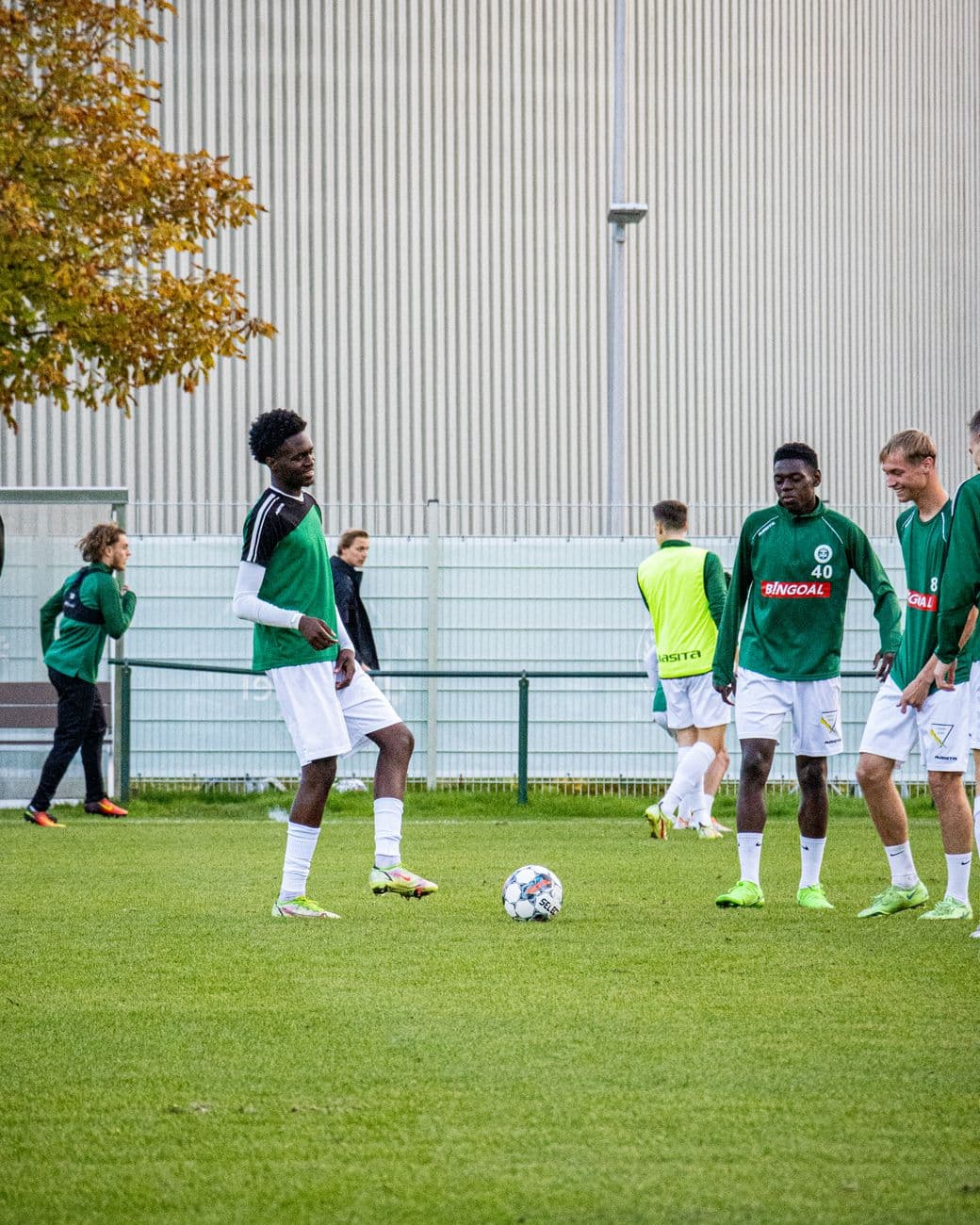
Haiti returns to the World Cup after a 52-year gap
Haiti enter the 2026 FIFA World Cup as one of the tournament's clearest underdog stories: Concacaf's qualifying schedule and standings show the Grenadiers won their final-round section after a 2-0 victory over Nicaragua in Willemstad on 18 November 2025. The result sent Haiti to the men's World Cup for the first time since 1974, despite a qualifying campaign played away from home because security conditions made fixtures in Port-au-Prince impractical. Their Group C task is severe. FIFA's published match programme places Haiti against Scotland on 13 June, Brazil on 19 June and Morocco on 24 June. The football question is whether Sébastien Migné's compact, transition-based side can survive long enough to make games close. The broader story is how a team built largely outside Haiti has become a national symbol at a moment when the country is under extreme strain.
Verified by Validiris·📚 7 sources·🧠 AI-checked·🇧🇪 Belgian: LowWhy you can trust this
About this story
Haiti (Caribbean republic and first Black republic, independent since 1804) is returning to the men's World Cup after its only previous finals appearance in 1974. The FIFA World Cup 2026 (men's football tournament hosted by the United States, Canada and Mexico from 11 June to 19 July 2026) is the first 48-team edition. Concacaf (North, Central American and Caribbean football confederation) ran Haiti's qualifying path. Sébastien Migné (French coach appointed by Haiti in 2024) leads the side. Duckens Nazon (Haiti striker born in France, national-team scoring leader) is a senior attacking figure. Jean-Ricner Bellegarde (Wolverhampton Wanderers midfielder and Haiti international) anchors midfield. Johny Placide (veteran Haiti goalkeeper) brings experience. Wilson Isidor (Sunderland forward) is a key attacker. Willemstad, Curaçao (Dutch Caribbean city) hosted Haiti's nominal home qualifiers. Port-au-Prince (Haiti's capital) remains central to the security backdrop. Brazil, Morocco and Scotland are Haiti's Group C opponents.
How to read this story
The history
Haiti's only previous men's World Cup appearance came in West Germany in 1974, where Emmanuel Sanon scored against Italy before Haiti lost all three group matches. Concacaf's 2026 format created three direct qualifying places in addition to automatic host berths for the United States, Canada and Mexico, widening the route for Caribbean teams. Haiti secured its return on 18 November 2025, while Curaçao also qualified, making the 2026 tournament a notable Caribbean breakthrough. Haiti's women's team had already reached the 2023 Women's World Cup, another marker of football progress despite difficult domestic conditions.
The bigger picture
This is not a geopolitical story in the hard-power sense, but Haiti's tournament sits against a global debate over who can access mega-events. The team qualified for a World Cup hosted largely in the United States while Haitian citizens face tighter U.S. travel restrictions, making football visibility and mobility unequal even within the same tournament.
Why now
The story is timely because the 2026 World Cup has begun and Haiti's Group C opener against Scotland is scheduled for 13 June. The lead also arrives after renewed attention to Haiti's jerseys, travel issues and final preparations.
What to watch
Watch Haiti's first 20 minutes against Scotland, because an early concession would force them away from their likely low-risk game plan. Also watch whether Woodensky Pierre and federation officials resolve any remaining U.S. visa issues before matchday.
International angle
The international dimension is the World Cup's expanded map. Haiti are part of a broader 2026 pattern in which smaller or less frequent qualifiers gain a larger platform. The story also intersects with U.S. border policy because many Haitian fans may find travel harder than supporters from wealthier or visa-waiver countries.
What this means for you
For Belgian readers, this mainly affects viewing choices rather than daily life. Haiti's matches offer a clear underdog thread in the early tournament schedule, while Haitian and Caribbean communities in Belgium may organise viewing around national identity as much as football. Fans should check Belgian broadcast listings and late-night kick-off times.
What happens next
Haiti open Group C against Scotland on 13 June, then face Brazil on 19 June and Morocco on 24 June, according to FIFA's match programme. Migné is expected to keep the team compact and selective in transition. The practical next questions are whether visa and logistics issues are settled, whether Haiti can avoid early damage, and whether one point can keep the group alive.
Potential consequences
A competitive Haiti performance could lift the profile of players scattered across European, North American and other leagues, and it could strengthen the Haitian federation's case for investment in youth and diaspora scouting. Poor results would not erase the achievement, but heavy defeats against Brazil or Morocco could return the narrative to crisis and under-resourcing. For the World Cup itself, Haiti's presence tests whether expansion produces genuine sporting drama or mainly symbolic inclusion.
Opposing perspectives
- Haiti football supporters
Haitian supporters frame the campaign as more than results. Fan interviews describe the Grenadiers as a rare source of public hope, with national colours and watch parties becoming a way to assert identity despite insecurity and hardship at home.
- Tournament regulators (FIFA / Concacaf)
FIFA and Concacaf frame the story through competition rules: Haiti earned its place by winning a qualifying group, while kit and match operations still have to comply with tournament regulations. That view treats symbolism as legitimate only within the boundaries of neutral event governance.
- Haitian diaspora and travelling fans
Diaspora communities are likely to see the North American World Cup as both an opportunity and a frustration. U.S. travel policy indicates many Haitian fans may face visa barriers even as the team plays its most important tournament in half a century.
Timeline
- 1974-06-15·Haiti played its first men's World Cup match, losing 3-1 to Italy in Munich.
- 2025-06-12·Concacaf drew Haiti into a final-round qualifying group with Costa Rica, Honduras and Nicaragua.
- 2025-11-18·Haiti beat Nicaragua 2-0 in Willemstad to secure direct World Cup qualification.
- 2026-06-13·Haiti are scheduled to open Group C against Scotland.
- 2026-06-19·Haiti are scheduled to face Brazil in Philadelphia.
- 2026-06-24·Haiti are scheduled to play Morocco in Atlanta.
Glossary
- Concacaf
- The football confederation for North America, Central America and the Caribbean.
- Group C
- Haiti's first-round World Cup group with Brazil, Morocco and Scotland.
Related to this story

Live connections from the Belgium Impulse ecosystem — not recommendations.
This briefing was prepared with AI assistance and reviewed by a Belgium Impulse editor before publication. methodology.