
 What's On
 Expat
WINTER ROADS · Reporting
Gritting lorries head out in Flanders and Wallonia as Brussels stands ready
Road authorities in Flanders and Wallonia have begun salting as temperatures drop, while Brussels Mobility says it will only spread salt when it is truly needed.
Published: · Content updated:
Based on: VRT NWS, RTBF
Saved articles and followed stories stay in this browser. No account sync or notifications.
In 30 seconds
- The Flemish Agency for Roads and Traffic sent gritting trucks out in every province over the weekend, after a first operation in Limburg on 12 November; it holds 30000 tonnes of salt.
- The SPW Mobilité et Infrastructures carried out localised preventive salting on damp stretches, notably around Verviers and Neufchâteau.
- Wallonia's full winter service mobilises some 1200 staff, 660 machines and up to 145000 tonnes of salt.
- Brussels Mobility has not yet had to send out its vehicles; it has more than 4000 tonnes of salt, and a complete pass of its network needs 85 tonnes.
What it means
What’s at stake
For drivers and cyclists, salting is meant to keep roads and cycle paths safe as temperatures drop; both Flanders and Brussels explicitly cover cycle paths. For Brussels Mobility, each intervention has a price: its spokesman Steven Fierens points to the financial cost and the environmental impact of spreading salt, which is why it only grits when necessary.
What happens next
According to RTBF, more widespread gritting runs across the whole Walloon network were expected during the week because of cooler weather. The sources do not say when Brussels Mobility expects its first run, nor give a detailed forecast.
Sources: RTBF
Context
How we got here
Wallonia's full winter service becomes active in the southern zone.
The Flemish Agency for Roads and Traffic carries out a first salting operation in Limburg.
Wallonia's full winter service becomes active in the northern zone.
Reporting
First runs of the season
Gritting lorries have made their first runs of the season across every Flemish province and in parts of southern Wallonia, while Brussels is keeping its fleet on standby, regional road authorities said on Monday, according to RTBF and VRT NWS. In Flanders, spokeswoman Katrien Kiekens confirmed that the Agency for Roads and Traffic sent out its trucks over the weekend. In Wallonia, the SPW reported preventive salting near Verviers and Neufchâteau. In the capital, Steven Fierens of Brussels Mobility said salt would only be used where it was needed.
Reporting
Flanders
According to Kiekens, the weekend operation was not the Flemish agency's first outing: an initial intervention had already taken place in the province of Limburg on 12 November, before trucks were mobilised in every province over the weekend. RTBF reported that the Flemish administration holds a stock of 30000 tonnes of salt. It also keeps watch on roads and cycle paths day and night with the help of sensors.
Key line
The Flemish administration has a stock of 30000 tonnes of salt and monitors roads and cycle paths around the clock using sensors.
Reporting
Wallonia
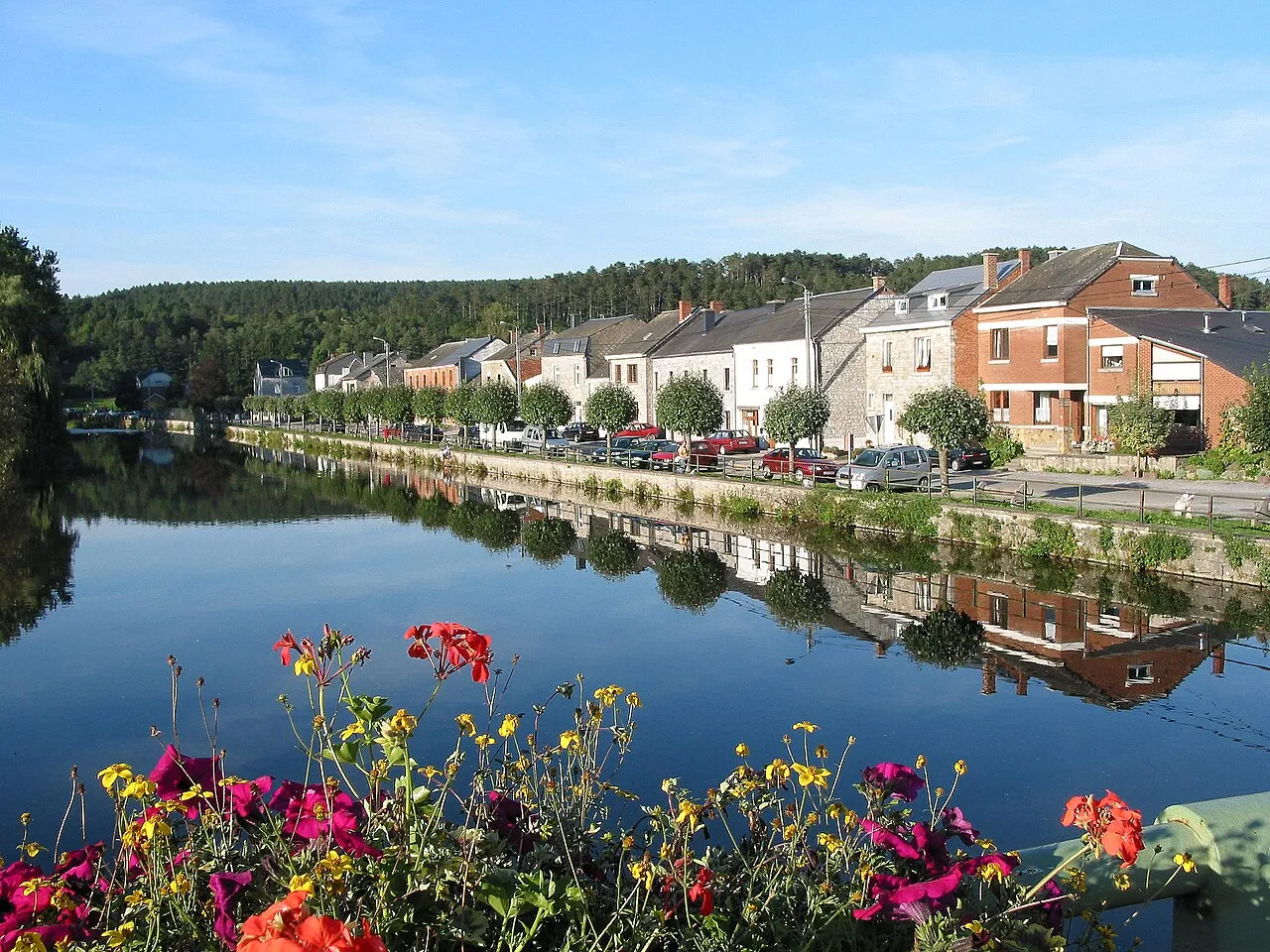
In Wallonia, the SPW Mobilité et Infrastructures department told the Belga news agency, as reported by RTBF, that targeted preventive salting had already been carried out on several damp stretches, notably around Verviers in the province of Liège and Neufchâteau in the province of Luxembourg. The full winter service has been running since 1 November in the region's southern zone and since 15 November in its northern zone. It involves some 1200 staff and 660 machines, with up to 145000 tonnes of salt available. RTBF added that broader runs across the whole Walloon network were expected during the week as cooler weather set in.
Reporting
Brussels
Brussels Mobility has not yet had to send its vehicles out, although teams from the Régie des routes remain on permanent standby, VRT NWS reported. The region has more than 4000 tonnes of salt in reserve. To cover its entire network, the regional agency treats more than 800 kilometres of streets in three and a half hours using 17 circuits, complemented by 18 separate routes reserved for cycle paths. A complete pass across the network requires 85 tonnes of salt. Spokesman Steven Fierens stressed that salt would only be spread if it proved necessary, pointing to both the financial cost and the environmental impact.
Analysis
Why it matters
The reports show each of the country's three regions managing its own winter road service, with separate stocks, staff and criteria for going out. For drivers and cyclists, the first salting runs indicate that the authorities are treating the drop in temperatures as a practical risk on the roads, with cycle paths explicitly covered in both Flanders and Brussels. At the same time, the comments from Brussels underline that salt is not free: each full treatment of the capital's network uses 85 tonnes, and the agency weighs that against cost and environmental damage. The sources do not say how much salt has been used so far this season, do not give a detailed weather forecast and do not indicate when Brussels expects its first run.
Understanding the story
What the main actors are doing
Reported positions, summarised — not direct quotations
Key terms
- Preventive salting
- Salt spread in advance on known damp stretches before ice forms, as the Walloon road department did around Verviers and Neufchâteau.
People, places and institutions
- Katrien KiekensSpokeswoman for the Flemish Agency for Roads and Traffic who confirmed the weekend gritting operations.
- Steven FierensSpokesman for Brussels Mobility who said salt would only be spread if necessary.
- VerviersCity in the province of Liège, among the areas where preventive salting took place.
- NeufchâteauMunicipality in the province of Luxembourg, among the areas where preventive salting took place.
Sources: VRT NWS · RTBF · Wikipedia: Verviers (Background reference) · Wikipedia: Neufchâteau, Luxembourg Province (Background reference)
Some background items were left out because automated checks could not verify them against the sources.
Related reading



Sources and factual attribution (2)
- Temps hivernal : premières opérations de salage en Flandre et en Wallonie, Bruxelles se tient prête | VRT NWS: le site d'information de référence — VRT NWS
Dated report by VRT NWS used for the facts attributed to it.
Source publication date: . Consulted: .
- Premières opérations de salage en Flandre et en Wallonie, Bruxelles se tient prête - RTBF Actus — RTBF
Dated report by RTBF used for the facts attributed to it.
Source publication date: . Consulted: .
Supports
The Flemish Agency for Roads and Traffic sent out its gritting trucks in all provinces over the weekend, after a first operation in Limburg on 12 November, spokeswoman Katrien Kiekens confirmed.
VRT NWS: Temps hivernal : premières opérations de salage en Flandre et en Wallonie, Bruxelles se tient prête | VRT NWS: le site d'information de référence · RTBF: Premières opérations de salage en Flandre et en Wallonie, Bruxelles se tient prête - RTBF ActusThe Flemish administration has a stock of 30000 tonnes of salt and monitors roads and cycle paths around the clock using sensors.
VRT NWS: Temps hivernal : premières opérations de salage en Flandre et en Wallonie, Bruxelles se tient prête | VRT NWS: le site d'information de référence · RTBF: Premières opérations de salage en Flandre et en Wallonie, Bruxelles se tient prête - RTBF ActusThe SPW Mobilité et Infrastructures confirmed that localised preventive salting had already taken place on several damp stretches, notably around Verviers and Neufchâteau.
VRT NWS: Temps hivernal : premières opérations de salage en Flandre et en Wallonie, Bruxelles se tient prête | VRT NWS: le site d'information de référence · RTBF: Premières opérations de salage en Flandre et en Wallonie, Bruxelles se tient prête - RTBF ActusWallonia's full winter service has been active since 1 November in the southern zone and since 15 November in the northern zone, involving some 1200 staff, 660 machines and up to 145000 tonnes of salt.
VRT NWS: Temps hivernal : premières opérations de salage en Flandre et en Wallonie, Bruxelles se tient prête | VRT NWS: le site d'information de référence · RTBF: Premières opérations de salage en Flandre et en Wallonie, Bruxelles se tient prête - RTBF ActusMore widespread salting runs across the Walloon network were expected during the week because of cooler weather.
RTBF: Premières opérations de salage en Flandre et en Wallonie, Bruxelles se tient prête - RTBF ActusBrussels Mobility had not yet needed to send out its vehicles, although Régie des routes teams are permanently on standby, and more than 4000 tonnes of salt are available.
VRT NWS: Temps hivernal : premières opérations de salage en Flandre et en Wallonie, Bruxelles se tient prête | VRT NWS: le site d'information de référence · RTBF: Premières opérations de salage en Flandre et en Wallonie, Bruxelles se tient prête - RTBF ActusTo treat its whole network, the Brussels agency covers more than 800 kilometres of roads in three and a half hours via 17 circuits, plus 18 routes for cycle paths; a full treatment needs 85 tonnes of salt.
VRT NWS: Temps hivernal : premières opérations de salage en Flandre et en Wallonie, Bruxelles se tient prête | VRT NWS: le site d'information de référence · RTBF: Premières opérations de salage en Flandre et en Wallonie, Bruxelles se tient prête - RTBF ActusSteven Fierens, spokesman for Brussels Mobility, said salt would only be spread if it proved necessary, citing financial cost and environmental impact.
VRT NWS: Temps hivernal : premières opérations de salage en Flandre et en Wallonie, Bruxelles se tient prête | VRT NWS: le site d'information de référence · RTBF: Premières opérations de salage en Flandre et en Wallonie, Bruxelles se tient prête - RTBF Actus
How this article was prepared
Revisions and corrections
No corrections recorded.
- First version · 1 —
First publication.