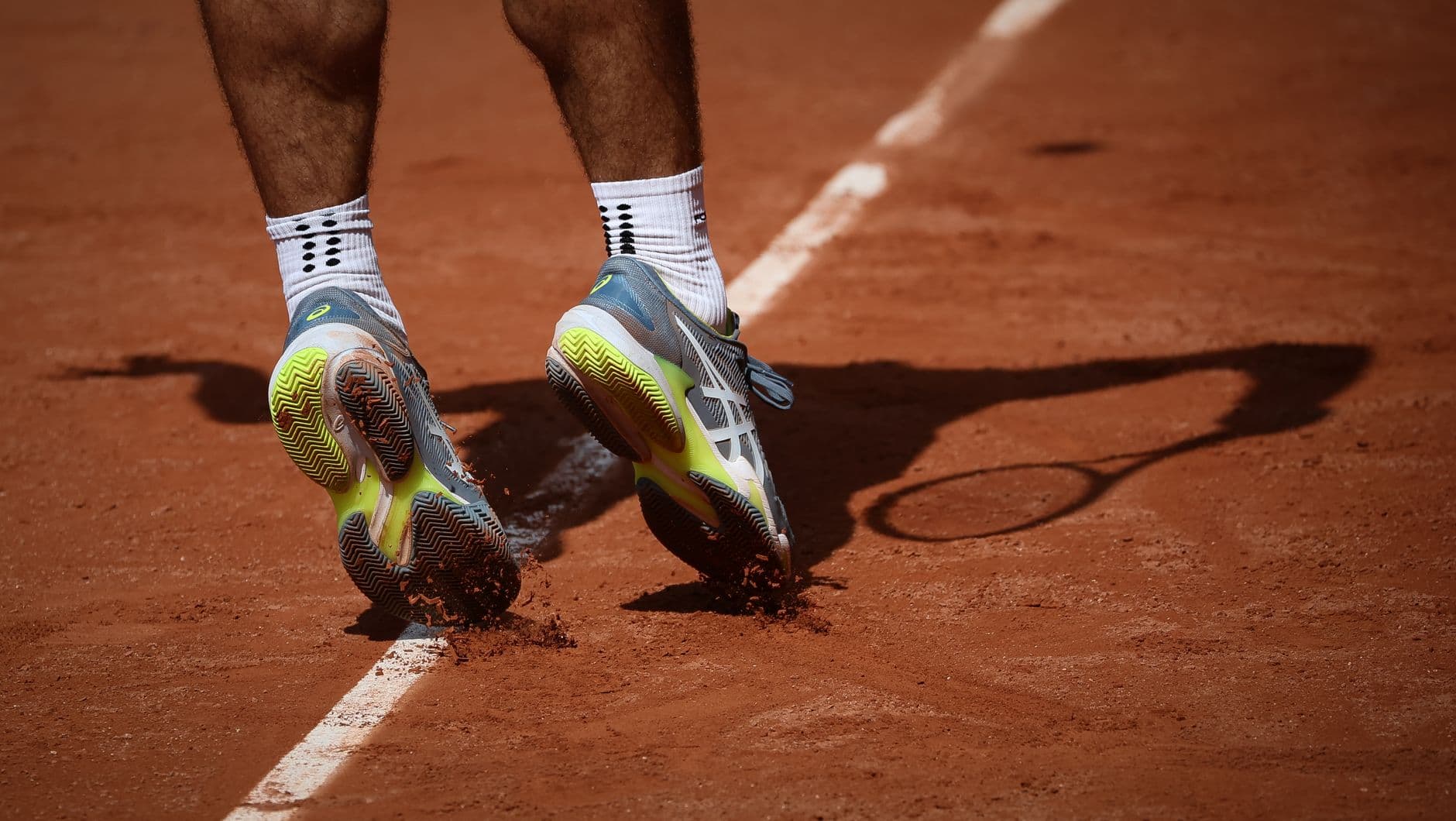
French Open and top players reopen prize-money talks after 15-minute protest
On 23 May 2026, the French Tennis Federation (FFT) met player representatives at the end of French Open media day at Roland-Garros after leading players used a 15-minute media day as a pressure tactic. The FFT said the talks were constructive and said both sides agreed to continue dialogue in follow-up sessions. The players’ side said their demand is a higher share of tournament economics, with a target of 22% of Grand Slam revenue by 2030 rather than about 15%, plus stronger say over scheduling, pensions, and welfare support. The FFT said the 2026 French Open singles champion purse is 2.8 million euros within a 61.7 million-euro total pot, and said the prize framework was not to be changed for that edition. Player representatives said the campaign began last year and they had not seen meaningful movement on the core asks, while organisers said Wimbledon and the USTA were included in the continued talks.
Verified by Validiris·📚 8 sources·🧠 AI-checked·🇧🇪 Belgian: LowWhy you can trust this
About this story
French Tennis Federation (FFT): the French federation that organises Roland-Garros and manages tournament operations, broadcaster arrangements, and commercial policy. The 2026 dispute was driven through its executive representatives. Stade Roland-Garros: the Paris complex that hosts the French Open, one of the four major grass courts for global tennis. Amélie Mauresmo: former women’s world number one and former Wimbledon champion, then serving as tournament director at Roland-Garros. Gilles Moretton: FFT president in 2026, one of the key figures in senior-level French Open decision-making. Larry Scott: former ATP tour player, ex-WTA chief, and adviser often representing top players in revenue-sharing talks. Aryna Sabalenka: Belarusian world-leading singles champion active in the coordinated 2026 dispute. Jannik Sinner: Italian top-10 player cited in the tour-wide media action and continuing pressure campaign. Iga Swiatek and Carlos Alcaraz: former Grand Slam champions included in player coalition letters pressing for prize-money and governance reforms. All England Lawn Tennis Club (AELTC): organiser of Wimbledon, included in the parallel discussion track with top players. United States Tennis Association (USTA): organiser of the U.S. Open and participant in multi-slams consultations. Professional Tennis Players Association (PTPA): player body founded in 2020 that sued major tennis organisers on antitrust lines and became part of a wider legal context around representation and credentials. Grand Slams: the Australian Open, French Open, Wimbledon and U.S. Open, where prize-money and governance arrangements are central because each tournament sets a global benchmark for prize distribution and player leverage.
How to read this story
The history
The current pressure has built since a formal players’ campaign in 2025 that expanded beyond social-media statements to coordinated letters to the four Grand Slams demanding higher revenue-share and stronger participation rights in governance. By September 2025, a second player-led letter again requested increases and welfare protections, including pension and healthcare commitments, and a structured player council. The dispute then moved into serial engagement with Wimbledon and U.S. Open organisers while Australian Open officials took a separate route with PTPA litigation. The 2026 French Open row follows this sequence: symbolic media action first, then direct meeting, then renewed multi-event negotiation, a pattern that mirrors earlier labor-style escalations in other sports but is unusual in tennis because the top players are highly dependent on tournament goodwill.
Why now
The issue turned urgent because the French Open pre-tournament period provided a concrete launch point for a coordinated player action, while the prize-money model for 2026 had already been published and organisers’ in-event response to the action could not be delayed before the first rounds.
What to watch
Watch for any FFT counter-proposal published after the French Open fortnight, Wimbledon and U.S. Open follow-up statements, and whether player counsel treats non-material responses as sufficient before the next major in the calendar.
International angle
The dispute sits in a Europe-wide sports governance chain because Grand Slam commercial benchmarks influence sponsorship packaging, travel-linked tournament economics, and broadcast pricing across EU markets. A change in revenue formulas or player representation practice at Roland-Garros would likely be watched by Brussels-linked media operators and clubs in Belgium because those terms feed expectations for other major events in the region.
What this means for you
Belgian consumers should expect mainly coverage and narrative effects: likely fewer extended player interviews in the short term if further media actions recur. Fans and rights managers should watch whether concrete numbers emerge on revenue split and welfare spending before Wimbledon, as this could alter future negotiation expectations and public-facing commitments at major tournaments.
What happens next
The likely immediate step is whether the FFT publishes concrete proposals in the weeks after Roland-Garros. If proposals remain non-specific, Wimbledon-linked mediation is expected to be the first test because officials publicly signalled a continuation of dialogue across Paris. A second likely outcome is another targeted media action at a later major if no concrete numbers emerge on revenue split and welfare commitments.
Potential consequences
If this dialogue yields a concrete counter-proposal, the dispute may stay in backroom format and preserve tournament operations. If not, future majors could see renewed symbolic media restrictions and renewed reputational pressure on organizers before Wimbledon and the U.S. Open. That would likely increase negotiation complexity for broadcasters and sponsors and could nudge smaller events in Europe to monitor player-share benchmarks more closely when planning prize structures and player services.
Timeline
- 2025-03·Top players moved into a formal campaign with Grand Slam organisers over revenue share, welfare, and decision-making terms.
- 2025-09-24·Players’ representatives sent a second letter with renewed demands, including prize-money increase milestones and a formal player voice mechanism.
- 2026-05-21·Leading players limited pre-tournament media duties at the French Open to 15 minutes as a symbolic action.
- 2026-05-23·FFT and player representatives met at French Open to continue talks after the media action.
- 2026-06-03·Wimbledon signalled improved tone after the Paris talks and reported no expected repeat of a formal prize-money protest.
Glossary
- Grand Slam
- One of the four major annual tennis tournaments (Australian Open, French Open, Wimbledon, U.S. Open) that sets global standards for revenue, media rights, and player scheduling.
- player council
- A proposed representative forum through which players can influence major tournament decisions such as scheduling, welfare, and operational rules.
- feature media opportunity
- Mandated pre-tournament interviews and broadcast-facing obligations that tournaments require main-draw players to complete.
Related to this story
Live connections from the Belgium Impulse ecosystem — not recommendations.
This briefing was prepared with AI assistance and reviewed by a Belgium Impulse editor before publication. methodology.