City of Brussels moves to make the Kapellekerk skatepark permanent
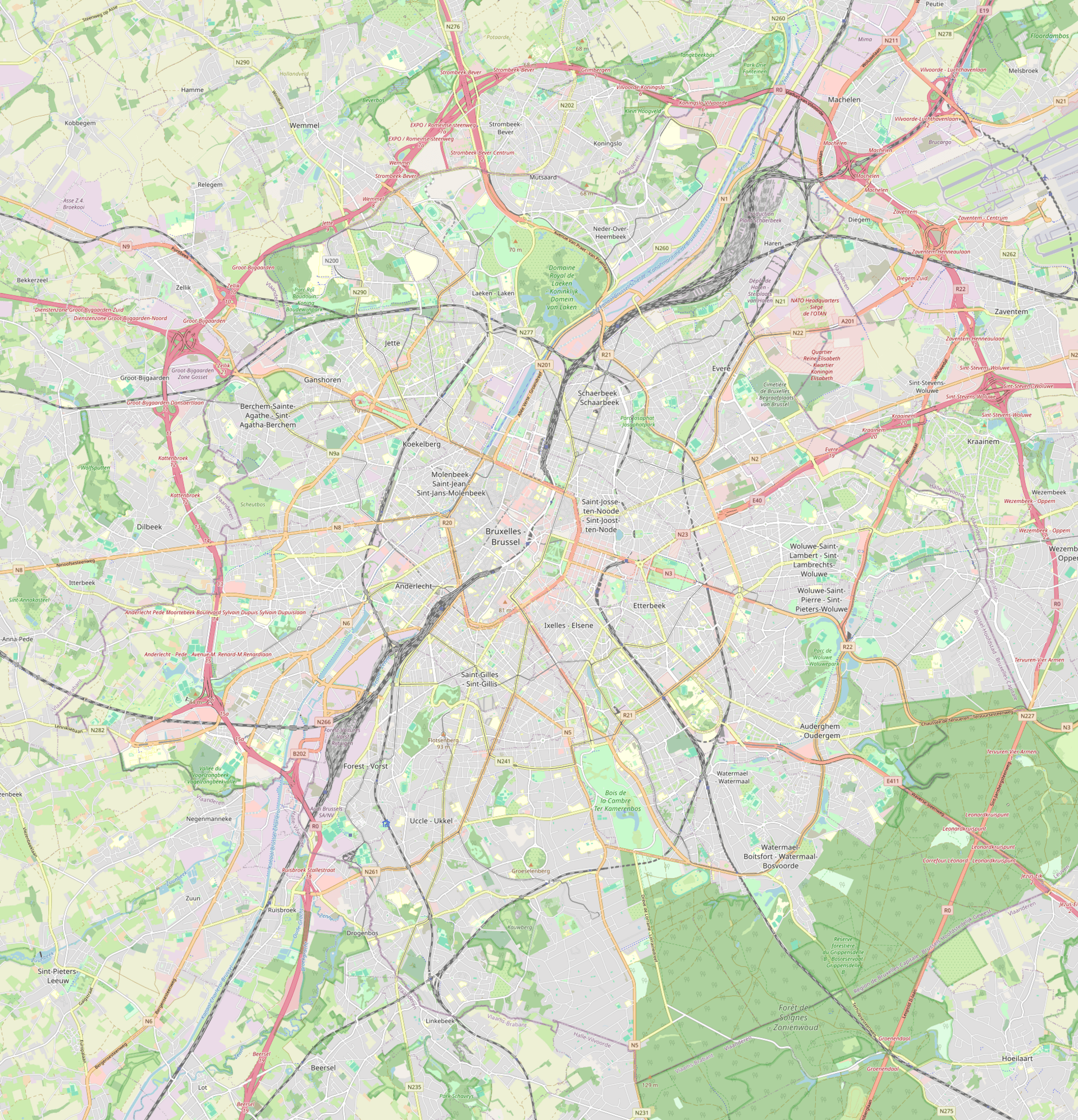
Brussels is preparing a full upgrade of the skate park at the Kapellekerk area, with city planners presenting the area as a permanent, redesigned public-sports space rather than a temporary amenity. The City of Brussels says the proposal for the Chapelle project covers about 3,300 m² and combines skate infrastructure (including a mini-ramp and street elements) with public-space upgrades at the edge of the square and along the top of Rue de la Chapelle. In the same package, it links the redesign to calmer traffic circulation, more greenery and storm-water handling through bioswale-like drainage. That planning is notable because the Ursulines square is already a recognized urban-culture node, and the location has been repeatedly used as a recurring setting in local weekly civic coverage. The shift from ad hoc use to a designed programme is now framed as part of a broader inner-city strategy for active youth and everyday public life in Brussels-Capital.
Verified by Validiris·📚 8 sources·🧠 AI-checked·🇧🇪 Belgian: HighWhy you can trust this
About this story
BRUZZ is a Brussels-based Flemish multimedia newsroom and broadcaster of city news and culture. De week van BRUZZ is its weekly roundup series, usually a Saturday format that presents the most talked-about local stories through a neighbourhood lens. Kapellekerk refers to the Notre-Dame de la Chapelle church (Onze-Lieve-Vrouw-ter-Kapelle), an early ecclesiastical site in central Brussels near the Marolles/Vijfhoek area. The Ursulinesquare (Ursulinenplein) is the public square in that neighbourhood, now widely used for skateboarding, rollerskating and BMX. The City of Brussels is the municipal authority for the capital’s inner city and 19 communes. Rue de la Chapelle (Kapellestraat at the upper section) is the adjacent street corridor affected by the redesign. The Chapelle project is the municipality’s official redevelopment package for the skate area and surrounding streets. Anaïs Maes (Vooruit.brussels), a mobility and public-space alderwoman, has been identified in municipal reporting around this initiative. Leefmilieu Brussel is the Brussels regional environment and public-space agency referenced in urban mobility and site-improvement policy. SK8BXL is a Brussels-led public-space study programme that maps and plans infrastructure for urban boarding and youth recreation. The VUB (Vrije Universiteit Brussel) is a major Flemish university; the cited De Backer study is an academic analysis of how young people use and negotiate Brussels public space.
How to read this story
The history
The Kapelle church site predates the modern city grid and is recorded as medieval in origin, with later major rebuilds through the 13th to 15th centuries and repeated urban adaptations after 19th- and 20th-century transport interventions. The adjacent Kapellestraat was reshaped by the North-South railway corridor work in the 20th century. Around 2006, the square opposite the church was remodelled in the context of the rail link, which reinforced its role as a major urban gathering point. By the 2020s, Brussels’ own mobility and urban projects treated the site as a temporary arrangement tied to broader circulation adjustments, and the current 2026 phase now frames a more permanent redesign. A Brussels-oriented study on skate sites (SK8BXL, 2011–2015) had already argued that urban-board sports needed structured, permanent spatial provision rather than scattered temporary solutions.
Why now
The timing is significant because the municipality is moving from piecemeal intervention to a declared permanent redesign package, and public attention in Brussels media around the same site has stayed high. That makes 2026 a test year for whether temporary mobility-linked solutions are converted into durable urban-space policy.
What to watch
Watch municipal updates from the City of Brussels for permit publication, tender sequencing, and construction notices for Rue de la Chapelle; these will reveal when and where pedestrian or parking conditions shift.
Local impact
The most immediate impact is on the Vijfhoek/Central Brussels area around the Ursulinesquare and Rue de la Chapelle, where residents and youth users share sidewalks, crossings and public seating with sports activity.
What this means for you
Residents and regular square users should expect short-term access changes once works begin, especially around entrances and crossings, while long-term planning aims for safer mixed-use movement and more inclusive beginner areas. Families and coaches can expect clearer dedicated practice surfaces, but they should plan for temporary rerouting before completion.
What happens next
The key near-term phase is implementation design and procurement: permit publication, work sequencing, and temporary access management for Rue de la Chapelle and adjacent corners. If the project advances, authorities are expected to set construction windows and communicate temporary route changes. In the second phase, completion would enable a more permanent year-round use pattern with additional beginner-safe zones and new street-to-park links.
Potential consequences
A successful redesign could reduce friction between skaters and other users, improve child-safe entry points, and set a model for similar Brussels neighbourhoods with high youth footfall. It may also increase all-day public-life in a constrained district and raise expectations for maintenance quality. If execution is delayed or underfunded, informal use may persist with mixed safety outcomes and the political promise of greener, more inclusive streets will be weakened; if construction design underestimates local use patterns, displacement to neighbouring streets is likely.
Timeline
- 1134-·Origins of the early Kapelle religious site are recorded in historical inventories before major later rebuilding.
- 1911·North-South rail works reconfigured local street lines around Kapellestraat and the Kapelle neighbourhood.
- 2006-·Square opposite Kapellekerk was significantly remodelled in the wider context of rail-link development, and became a major urban skating hub.
- 2011-2015·SK8BXL carried out inventory and strategic study work on Brussels urban boarding locations.
- 2026-01-16·Brussels reporting on the area described planned permanent upgrades to the skatepark and surrounding public-space layout.
- 2026-05-09·The weekly BRUZZ format used the Kapellekerk skatepark setting in its city edition, reflecting sustained local attention.
Glossary
- Chapelle project
- The City of Brussels redevelopment package for the skate zone and adjacent Rue de la Chapelle public-space reconfiguration.
- Jonction district framework
- A Brussels neighbourhood-coordination approach used for linked urban projects in the Vijfhoek/central rail-corridor area.
- mini-snakerun
- A compact, safer beginner-oriented looping profile in a skate park, intended to give new riders a controlled practice loop.
Related to this story

Pulse Insight — This topic connects to 10 associations, 3 funding programmes, 97 upcoming events and 848 jobs through the Brussels ecosystem.
Live connections from the Belgium Impulse ecosystem — not recommendations.
This briefing was prepared with AI assistance and reviewed by a Belgium Impulse editor before publication. methodology.