
Can De Wever keep both fiscal reform and coalition order without creating a "steek laten" for Frédéric Gucht?
Anders-voorzitter Frédéric De Gucht warned in Flemish media that "vroeg of laat zal De Wever een steek laten vallen" and that liberal actors "moeten wij klaarstaan" for a possible break. In this cycle, the issue is not only personalities: the federal coalition’s fiscal programme is still being stitched together, with tax-policy packages moving through parliament and deep disagreement on distributional choices. The core question is whether De Wever’s central line—tighten public finances, raise labour participation, cut long-term spending pressure—can survive pressure from both coalition bargaining and opposition demands for transparency.
Verified by Validiris·📚 9 sources·🧠 AI-checked·🇧🇪 Belgian: HighWhy you can trust this
About this story
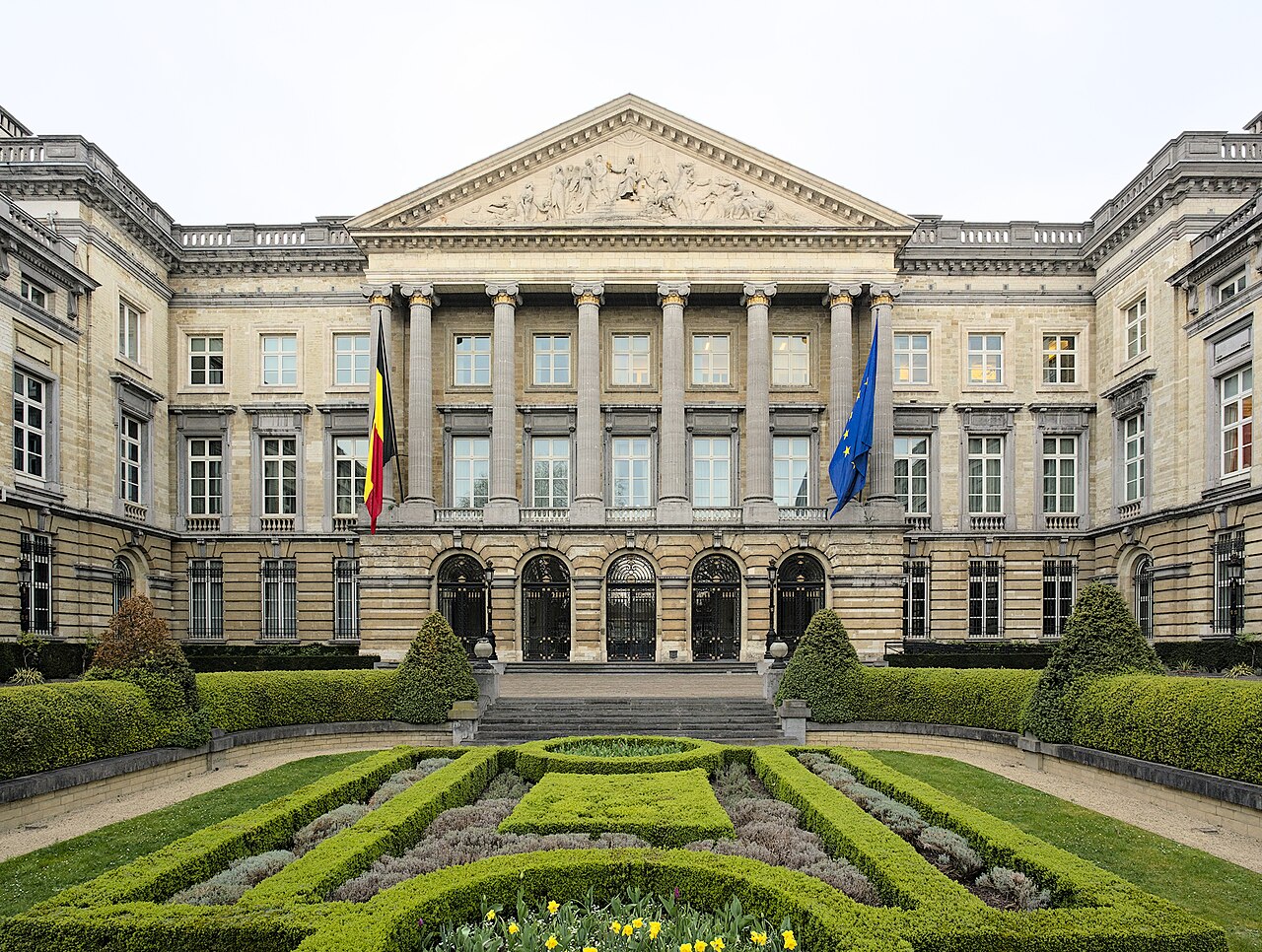
The immediate headline point is a political warning. Frédéric De Gucht, who in 2026 was already publicly identified as voorzitter of Anders (formerly linked to Open VLD structures), warned that the prime minister could still drop a surprise move on fiscal matters and urged readiness. The government this cycle has framed fiscal reform as a federal rescue programme to stabilise Belgium’s budget trajectory: federal tax administration reform, higher tax effort on some capital channels, relief on work-related income, and spending control. Because taxes and social policy remain largely federal competences, the reform remains in federal hands, while related pressure points involve regions such as Brussels and the competence boundary between federal and regional authorities. The chamber context matters: in several parliamentary sessions, opposition members (notably Pierre-Yves Dermagne, Barbara Pas, Raoul Hedebouw and others) have used formal question time to contest distribution, priority-setting and process transparency, including the capital-gains package.
How to read this story
The history
Belgium’s federal coalitions have repeatedly balanced a social-state tradition against recurring budget pressure. The current government has inherited a recurrent "interfederal deadlock" dynamic where structural reforms require multilevel coordination. The federal programme explicitly invokes reforming social contributions and federal fiscal structures while preserving competence boundaries. Since the 2020s, large Belgian fiscal reforms have been presented in packages with staged implementation from 2026 onward, producing repeated parliamentary checkpoints and institutional mistrust when implementation details are not simultaneously communicated.
Regional impact
Belgium-wide, but especially relevant to Brussels and Flanders: Brussels’ fiscal fragility is repeatedly named in federal and parliamentary exchanges, and De Gucht’s statements come from a liberal actor who has positioned himself around Brussels governance and regional budget discipline. Flemish taxpayers are repeatedly cited in regionalised public-opinion segments, while Brussels and Wallonia show different appetite profiles for cuts. Flanders is more favourable to reducing public administration spending than Brussels and Wallonia, while preferences on social and family spending vary by region.
Local impact
No immediate changes in local service delivery are yet legislated, but municipal and regional actors could face tighter transfer dynamics as the federal package influences available room for administration, labour policy and social spending.
International angle
Belgium’s federal budget path matters in EU discussions on fiscal discipline and market credibility. National security spending targets tied to NATO commitments also shape political narratives on what can be cut or delayed.
What this means for you
For households and SMEs, the outcome determines when relief and added burdens show up in payroll, deductions and savings taxation. For EU-linked professionals and institutions in Brussels, policy volatility is a credibility risk; for opposition and civil society, transparency and process design are the next battleground.
Opposing perspectives
- Coalition majority (N-VA/CD&V/MR/Les Engagés): fiscal repair first
This frame argues that Belgium’s budget deficit path requires hard choices and sequencing. Government spokespeople stress that reforming fiscal parameters is necessary to secure labour participation and avoid a structural debt spiral. In this view, De Wever’s team can accept temporary political friction if core macro-fiscal credibility is preserved. VRT’s reports on tax-package negotiations and government strategy echo this pressure logic, especially around balancing tax changes with labour competitiveness measures.
- Opposition (PS/MR/PVDA and allied MPs): social burden and process legitimacy
Opposition speakers in the chamber repeatedly framed the package as potentially regressive, warning that workers and households bear adjustments while elites retain room to manoeuvre. In chamber questioning, PS and PVDA voices linked the reform debate to trust, transparency and social legitimacy, while MR pushed for better clarity on interpretation details. They insist no reform package is acceptable without open explanation of who loses which part of disposable income and how exemptions are applied.
- Brussels and regional stakeholders: administrative strain and implementation capacity
A Brussels-facing frame, visible in regional reporting, focuses less on ideological labels and more on governance capacity: delayed Brussels budget decisions, fragmented institutions and political vacuum costs. In this view, Anders’s leadership is judged on whether it can translate federal promises into enforceable regional-level stabilisation. Chamber references to Brussels in fiscal hearings and BRUZZ’s internal Anders reporting both indicate that municipal and regional administrative credibility is now part of the fiscal politics.
Related to this story


Live connections from the Belgium Impulse ecosystem — not recommendations.
This briefing was prepared with AI assistance and reviewed by a Belgium Impulse editor before publication. methodology.