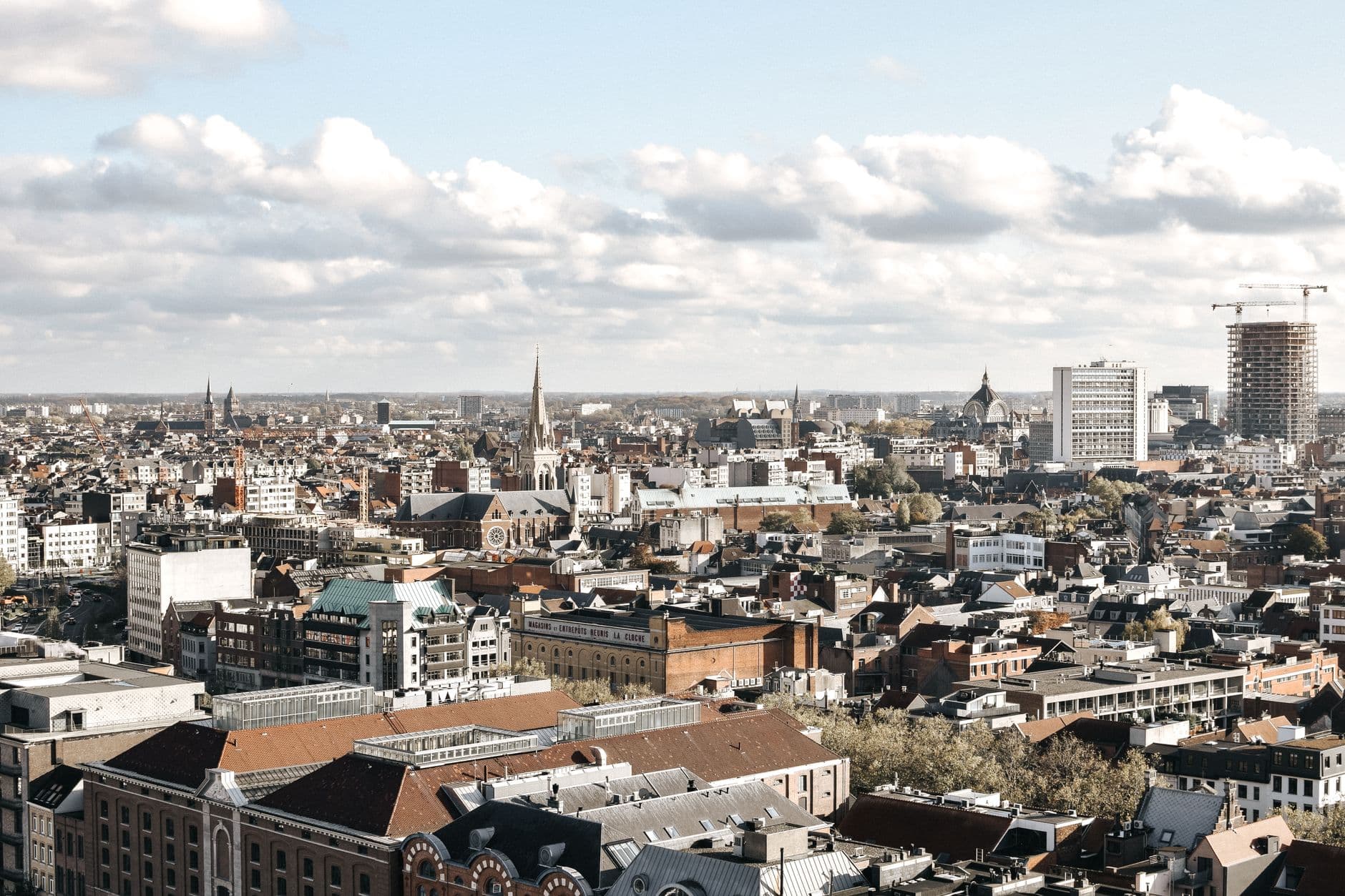
Can Antwerp turn a fashion festival into Belgium’s global design calling card?
Antwerp.Fashion Festival puts Belgium’s fashion ecosystem on public display from 4 to 7 June 2026, with shows, installations, shop-window interventions, exhibitions, talks and events across Antwerp. For Belgium-based readers, including Brussels expats and EU staff who often see Belgian fashion through retail or royal imagery, the point is practical: this is a rare chance to see how Flemish design policy, Antwerp’s academy network and commercial labels connect in one city trail. The immediate news hook is the visit and endorsement by topontwerper Edouard Vermeulen, whose Natan house is closely associated with Belgian court dressing and who told Het Nieuwsblad that “onze ontwerpers staan echt op de wereldkaart”.
Verified by Validiris·📚 6 sources·🧠 AI-checked·🇧🇪 Belgian: HighWhy you can trust this
About this story
The subject is not only a celebrity visit. It is Antwerp’s attempt to package a dispersed fashion ecosystem into an accessible city-wide platform. The named stakeholders are Edouard Vermeulen and Natan, the City of Antwerp, Flanders District of Creativity, MoMu - Fashion Museum Antwerp, EventFlanders, the fashion department of the Royal Academy of Fine Arts Antwerp, and participating labels including Christian Wijnants, Walter Van Beirendonck, Jan Jan Van Essche, Bernadette and Julie Kegels. The festival links established Belgian fashion names with younger designers, while the MoMu Antwerp Six exhibition gives the programme a clear international-historical anchor.
How to read this story
The history
Antwerp’s fashion reputation rests heavily on the Royal Academy of Fine Arts Antwerp and the 1986 international breakthrough of the Antwerp Six: Dirk Bikkembergs, Ann Demeulemeester, Walter Van Beirendonck, Dries Van Noten, Dirk Van Saene and Marina Yee. MoMu’s 2026 exhibition marks 40 years since that London moment and stresses that the six built separate careers rather than a single movement. Vermeulen and Natan represent a different Belgian fashion line: Brussels-rooted couture, royal clients, polished elegance and cross-border visibility in the Benelux and France. The festival’s broader story is how these Belgian traditions now sit beside streetwear, sustainability, digital runways and young independent labels.
Regional impact
The impact is strongest in Antwerp city centre, especially around Nationalestraat, MoMu, the Boerentoren hub, KMSKA-linked programming and shop-window routes. The festival can help retailers, galleries and hospitality venues, but it also adds another event layer to a city already balancing tourism, mobility and local commercial pressure.
Local impact
For Antwerp residents, the practical value is a walkable cultural route through the city: some events are selective, but many windows, installations and exhibitions are designed for public discovery. Expect the strongest activity in central fashion and museum districts.
International angle
The international angle is Belgium’s fashion visibility. Antwerp is competing less as a mass-market fashion capital than as a compact design ecosystem with a famous academy, respected museums, independent labels and designers who move between Antwerp, Brussels, Paris, London and the wider Benelux.
What this means for you
For visitors: check the official programme and map before travelling, separate public windows and installations from invite-only shows, combine MoMu with the city trail, and use Antwerp Central or public transport if coming from Brussels. For professionals: Fashion Talks and selected presentations are the clearest networking points.
Opposing perspectives
- Edouard Vermeulen and established Belgian couture
Vermeulen’s framing is reputational and outward-looking. The Het Nieuwsblad headline quotes him saying “onze ontwerpers staan echt op de wereldkaart”, a view that treats the festival as proof that Belgian designers already have international standing. That differs from an Anglo travel framing that often presents Antwerp as a surprising alternative to Paris, Milan or London.
- Flanders DC, City of Antwerp and public-access organisers
The organiser-side framing is more civic and sectoral. Flanders DC writes that the festival wants to be more than a traditional fashion week for insiders behind closed doors, with most locations free and accessible. That perspective shifts the story from glamour to access, talent development and local economic circulation.
- MoMu and fashion-history institutions
MoMu director Kaat Debo frames Antwerp’s value through preservation and influence, saying the Antwerp Six helped shape recent fashion history. This is a museum and heritage reading: the festival matters because it connects today’s labels to an archive of Belgian design education, risk-taking and international recognition.
Related to this story

Pulse Insight — This topic connects to 10 associations, 4 funding programmes, 144 upcoming events and 2269 jobs through the Flanders ecosystem.
Live connections from the Belgium Impulse ecosystem — not recommendations.
This briefing was prepared with AI assistance and reviewed by a Belgium Impulse editor before publication. methodology.