Brussels unrest fuels a redressement jeunes push, with defence ready to help
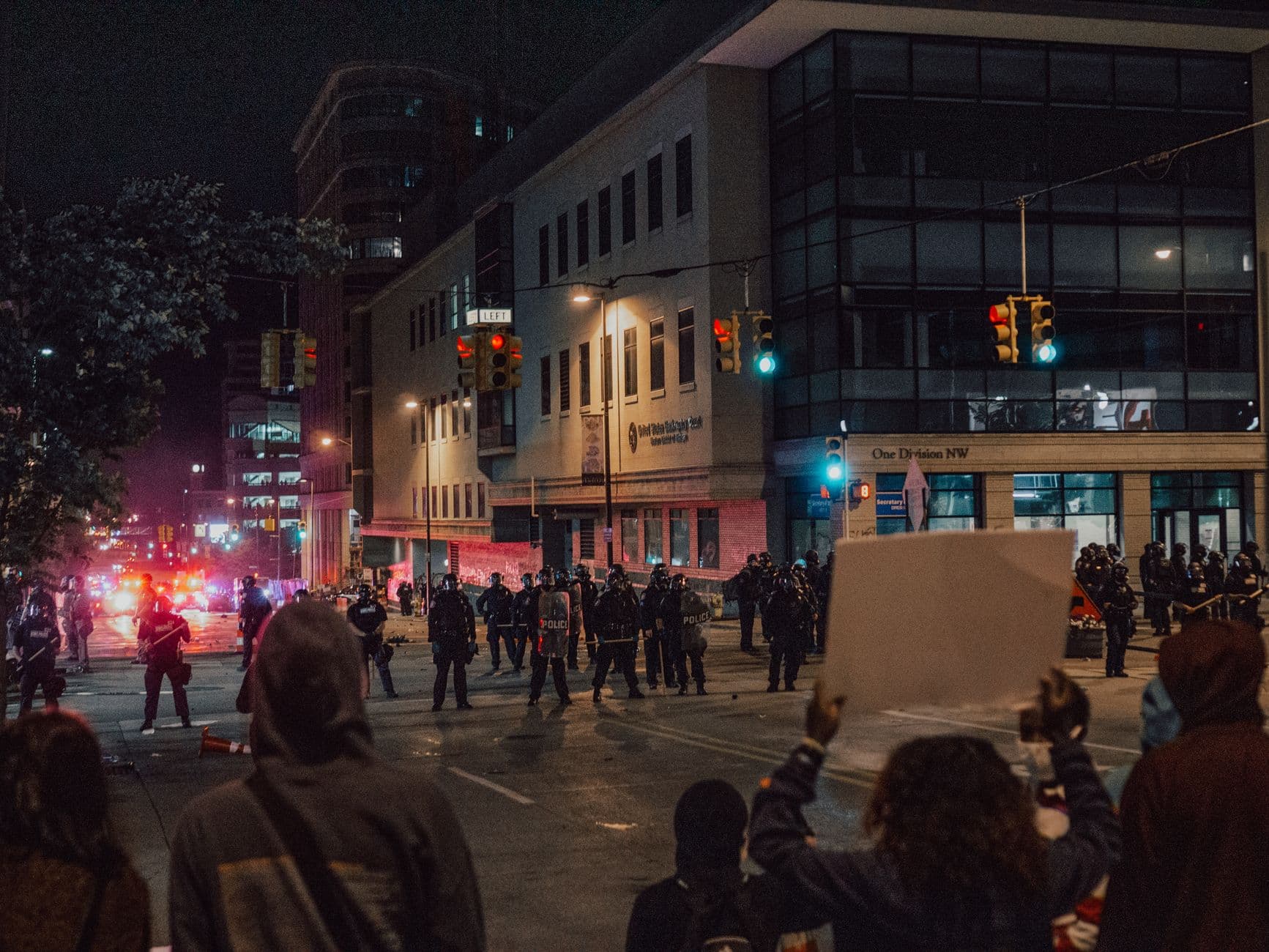
Update: 2026-06-07 11:19 CEST, Bruxelles — The June 4 demonstrations against the FWB Decret Programme 2 in Bruxelles triggered a new policy flashpoint after Minister of Defence Theo Francken argued for camps de redressement for jeunes casseurs. He said the reeducation urgente programme should be supported by the defence if needed, with references to structured reintegration models. In the same period, the Bruxelles police zone reported 14 judicial arrests and one administrative arrest, including eight minors, and said parts of the march had turned violent. The clash quickly became a national security dispute between supporters of a stricter response and critics warning about authoritarian overreach.
Verified by Validiris·📚 7 sources·🧠 AI-checked·🇧🇪 Belgian: HighWhy you can trust this
About this story
The protest route through central Bruxelles was announced in advance and linked to the FWB reform vote pressure. It escalated into street disorder near Bruxelles-Centrale, with fires, barricade-style disruptions and police interventions. In response, Francken publicly defended the idea of camps de redressement for repeat offending youths and said the defence was ready to help in a practical role. He framed this as a response to what he called persistent recidivist violence in urban protests, and pointed to Reboot4You-type structures as a model for discipline and reintegration. In a direct response, Ahmed Laaouej branded the approach as anti-democratic and compared camps of reeducation to fascist logic, while Conner Rousseau also repeated support for bootcamp-style consequences in parallel to the same debate.
How to read this story
The history
Brussels has long seen tension between order-led responses and rights-led critiques after episodes of youth violence linked to social conflict. What makes this round different is the explicit pairing of a ministerial call for camps de redressement with education reform unrest, and the invocation of military institutions in a civil-education dispute.
Regional impact
Bruxelles faces the immediate security and transport effects first: station and route disruptions, stronger police deployment, and increased pressure on schools near central protest zones.
Local impact
The immediate local impact is concentrated in central Bruxelles: disruptions to trams and buses, police cordons around institutional routes, and temporary access restrictions near schools, stations and major public crossings.
International angle
Limited; this is primarily a domestic Belgium security and education dispute with no immediate external diplomatic effect.
What this means for you
If the debate moves into policy, Bruxelles institutions will need clear legal thresholds, oversight rules and municipal coordination to avoid routine use of military framing in ordinary civic demonstrations.
Opposing perspectives
- Francken and security-hardline coalition
Francken argues that recurring youth disorder in Bruxelles shows a failure of deterrence and supervision, and that camps de redressement offer a firmer correction path for repeat offences. In this view, the defence can provide structured discipline and supervision support without replacing police powers, and pilot schemes tied to existing reeducation pathways can reduce recurrence.
- Laaouej and rights-first critics
Ahmed Laaouej and allied critics reject military-linked camps as a step toward authoritarian coercion. They argue minors should remain under civilian youth justice safeguards, and that political actors should not expand force-driven models for social unrest while debate on education policy remains unresolved.
- Civil-liberties and school movement advocates
Teachers, student representatives and rights observers point to crowd-protest dynamics where most participants were peaceful, while a smaller violent minority was amplified by force concerns. They insist that policing remains proportionate and that long-term social prevention, school funding certainty and youth support channels should lead, not bootcamp-style punishment.
Related to this story


Pulse Insight — This topic connects to 10 associations, 3 funding programmes, 97 upcoming events and 848 jobs through the Brussels ecosystem.
Live connections from the Belgium Impulse ecosystem — not recommendations.
This briefing was prepared with AI assistance and reviewed by a Belgium Impulse editor before publication. methodology.