Antwerp violence and a police-van collision put public safety scrutiny back on the city
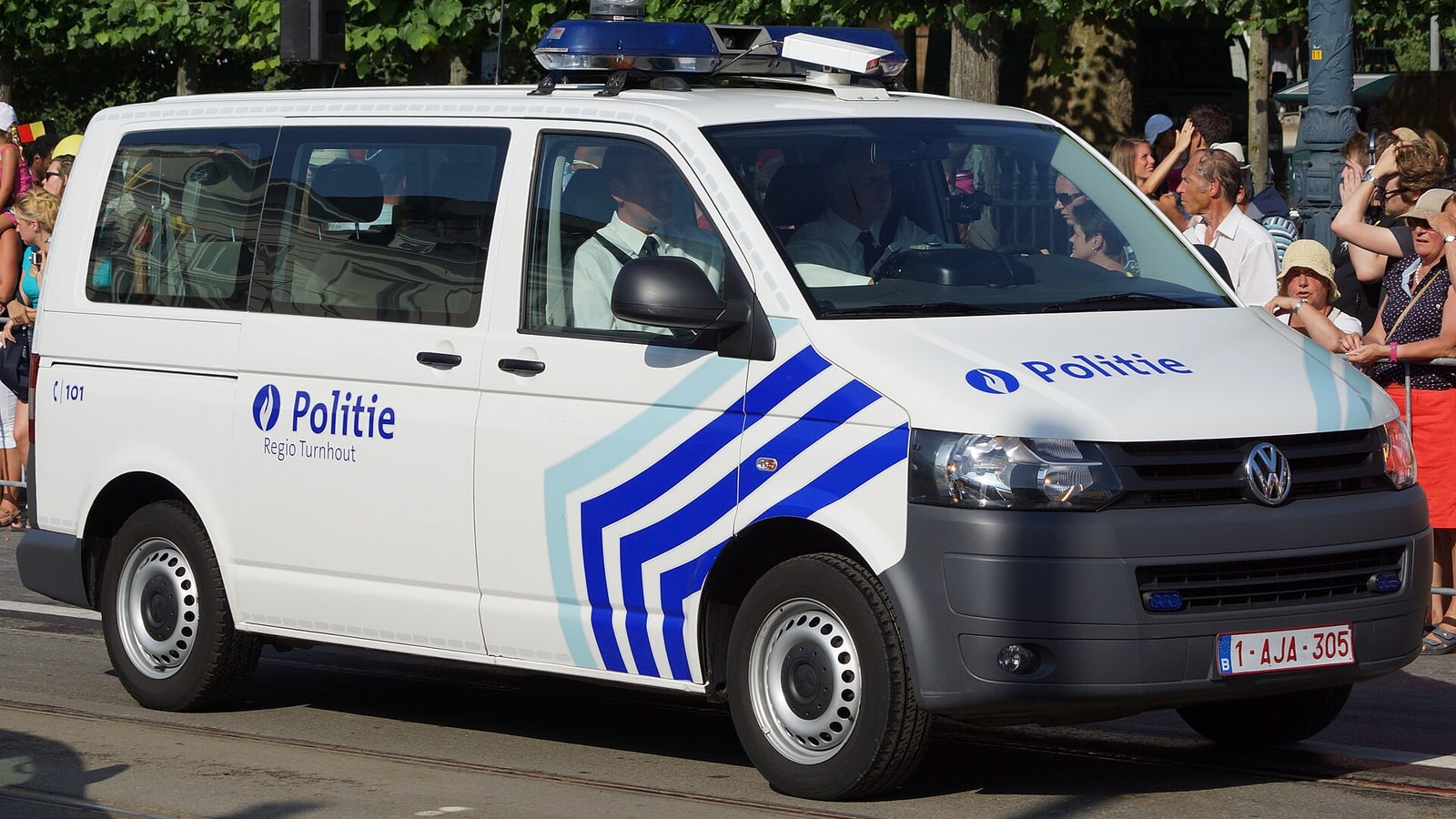
Flemish media reported a large police presence ter plaatse after a fight involving sticks and knives, while VRT NWS, De Morgen, Het Nieuwsblad and HLN reported that a pedestrian was aangereden by a politiecombi on or near Ernest Van Dijckkaai.
In 30 seconds
- Flemish media reported a large fight in Antwerp involving sticks and knives, with police massaal ter plaatse.
- VRT NWS and other outlets reported a pedestrian was hit by a police van near the Scheldekaaien.
- The injured pedestrian was reported not to be in life-threatening condition.
- De Morgen framed the collision as the third Antwerp case in a year involving a pedestrian and police van.
The true subject is local public order and police accountability in , not an international crisis. Antwerp is Belgium's largest Flemish city, a port metropolis and a place where residents, commuters, students, tourists and international workers share compact streets with police, trams, cyclists and nightlife traffic. The named stakeholders are Antwerp Police Zone, the , acting mayor , local prosecutors, injured residents, nearby businesses and people using the and central neighbourhoods. For Belgium Pulse readers, the useful frame is practical: avoid active police zones, follow local police instructions, and watch for official clarification before treating social-media video or fragmentary headlines as a full account.
Background
Antwerp has long treated public order as a central urban policy issue, partly because it is a dense port city with nightlife districts, major events, drug-crime pressure and heavy traffic. The city and police zone present security through a dual language of reassurance and firmness: Antwerp Police Zone describes its mission as protecting freedom in a safe Antwerp, with a posture of mediation where possible and decisiveness where necessary. That local doctrine is now being tested against two different standards: speed when violence breaks out, and restraint and transparency when police vehicles are involved in collisions.
What to do
If you are near a disturbance in Antwerp, move away from the scene, do not cross police lines, keep exits clear for emergency vehicles, and use official city or police channels before changing travel plans. Pedestrians around the Scheldekaaien should remain alert at crossings, especially when sirens or emergency lights are present.
The Belgian angle
The impact is concentrated in Antwerp and Flanders. It affects residents around the reported locations, pedestrians using the Scheldekaaien, Antwerp nightlife and hospitality businesses, and the public standing of Antwerp Police Zone.
EvidenceWell established · 1 primary source + 2 official documents + 3 independent reporting sourcesExplore evidence →Hide evidence ↑
- Published:
- 24 Jun 2026, 02:00
- Retrieved by ODIN:
- 24 Jun 2026
- Published:
- 24 Jun 2026, 02:00
- Retrieved by ODIN:
- 24 Jun 2026
- Published:
- 24 Jun 2026, 02:00
- Retrieved by ODIN:
- 24 Jun 2026
- Publication date unavailable
- Retrieved by ODIN:
- 24 Jun 2026
- Published:
- 19 Sept 2025, 02:00
- Retrieved by ODIN:
- 24 Jun 2026
- Published:
- 24 Jun 2026, 02:00
- Retrieved by ODIN:
- 24 Jun 2026
Voices & reactions
What the main actors are doing
Reported positions, summarised — not direct quotationsAntwerp Police Zone and city-security officials
The public-order framing stresses rapid control: when a grote vechtpartij stokken messen is reported, a large deployment ter plaatse is presented as a necessary response to protect residents, bystanders and officers. This Belgian municipal framing differs from a generic wire-style crime brief because it turns on local police capacity, Antwerp's safety plan and the mayoral responsibility for public order.
Pedestrians, mobility advocates and vulnerable-road-user groups
The accountability framing starts from the opposite risk: a police vehicle is not only an emergency tool but also a heavy vehicle moving through crowded city space. For this constituency, the repeated phrase tijd voetganger aangereden or jaar tijd voetganger is a warning sign. They will look for independent investigation, clearer emergency-driving rules and public reporting, not only confirmation that the latest victim survived.
Residents and local businesses near incident zones
For shopkeepers, horeca operators and residents, the practical concern is continuity: street violence can empty a neighbourhood, but prolonged uncertainty after police action can also damage confidence. Their perspective is less ideological than operational: they need to know which streets are safe, whether public transport or access routes are disrupted, and how quickly authorities communicate reliable updates.
The story, connected
Explore the people, places and ideas in this story
Go beyond the headline. Open a card for sourced context, maps, official links and the other subjects connected to this report.
Continue reading
This story was assembled from verified evidence, with its sources and reasoning recorded as it was written.
This briefing was prepared with AI assistance and passed Belgium Impulse source, provenance and publication-quality checks. methodology.