Why Belgium’s municipal squeeze is tighter than it looks
Belgium’s local budget stress is no longer a marginal problem in a few weak communes. It is uneven, but it is spreading from municipal accounts into regional credibility.
What OIS adds: facts mapped to named sources, reviewed for balance, and independently verifiable — not an AI take.
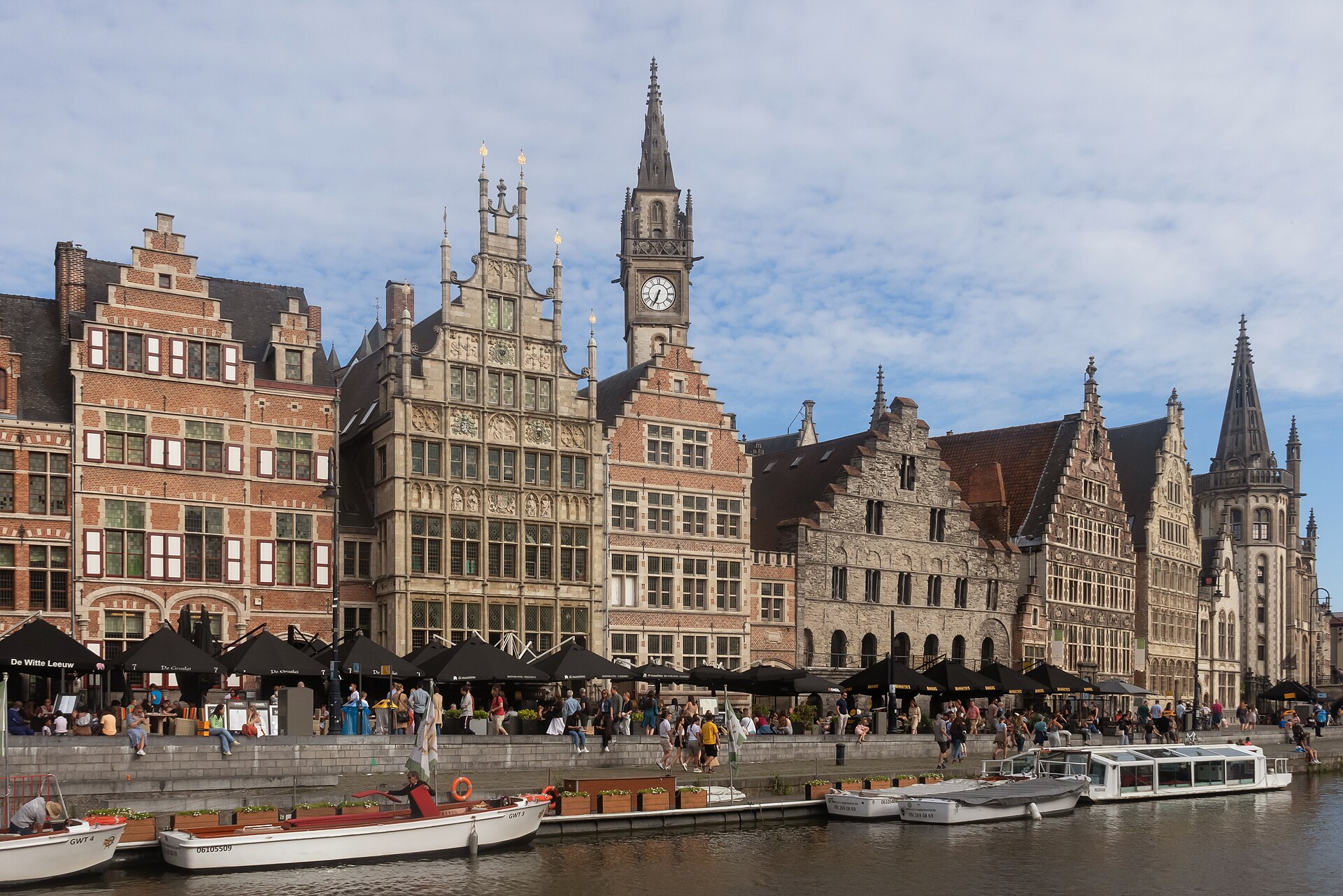
Belgium’s municipal squeeze is real, uneven and spreading, and the same financial stress has begun to climb from the communes to the Brussels Region itself, turning a budget problem into a trust problem.
On 18 June 2026, around 300 people gathered outside the town hall in to protest plans to cut roughly 40 municipal jobs. That local dispute points to a wider strain: Belgium’s municipal squeeze is real, uneven and spreading, and the same financial stress has begun to climb from the communes to the itself, turning a budget problem into a trust problem.
The pressure has stayed partly hidden because Belgian municipal finance is technical and fragmented. A commune is the local authority closest to residents, with a municipal council, a college of mayor and aldermen, and a mayor. Its budget covers everyday services, staff, local welfare support and contributions to shared costs. A structural deficit means something more serious than a bad year: recurring expenses exceed recurring revenues by design.
More than 150 Belgian communes reported such a structural deficit in 2024-2025. That matters because a commune cannot treat recurring spending as if it were temporary. If wages, welfare obligations, pension costs and debt charges rise faster than stable income, the choice narrows to higher taxes, service cuts, recovery plans or outside support.
The signal moved higher when declined to renew a €500 million credit facility for the Brussels Region. Belfius is a central lender to Belgian public authorities. A refused regional credit line is therefore not just a financing detail. It shows that stress is no longer confined to municipal accounts.
The squeeze is also uneven. are disproportionately affected because they face higher social expenditure obligations and weaker local tax bases. Multiple Walloon commune councils have discussed raising the municipal personal income tax surcharge, known as the IPP surcharge, during the 2026 budget planning cycle. The average Belgian municipal IPP surcharge is 7.1% of base income tax, with constitutional room to rise further.
For residents, this is not an abstract accounting issue. Municipal finances shape the services people encounter first: local administration, welfare offices, public staff, local taxes and the capacity of a commune to absorb social need. When a budget is structurally unbalanced, the pressure reaches households through a narrower service offer, higher local levies, delayed investment or more visible restraint in municipal staffing.
The local welfare office, known in Belgium as the CPAS, is central to the public impact. It is the municipal-level body that handles social assistance and related support. When a commune’s budget is squeezed, the CPAS is often part of the same stress because its spending reflects poverty and social need, while its financing remains connected to the commune’s overall room for manoeuvre.
The IPP surcharge is one of the main visible levers. IPP means personal income tax. The federal state calculates a base income tax, and communes can add a local percentage on top. A national average of 7.1% may sound small, but it applies to a broad base and can be raised within constitutional limits. That is why a municipal budget problem can become a household tax question.
The strain also differs by region. Belgium’s institutional map matters here: , Wallonia and Brussels each operate within distinct financial and social conditions. Federal transfers to municipalities were reduced by about €400 million cumulatively between 2022 and 2025, but the capacity to absorb that loss is not equal. A commune with a stronger tax base can hold course for longer than one with heavier welfare needs and less taxable income.
The Brussels Region’s credit difficulty changes the relevance again. If a local authority struggles, residents may see a municipal tax or service debate. If the region itself faces financing scepticism, the issue becomes broader: investors, lenders and public bodies start asking whether political institutions can credibly fund the responsibilities they already carry.
“In Brussels, the average regional grant is just €344 per inhabitant — against more than €1,550 in Antwerp or Ghent.”
How tight it really is
The numbers show a pressure pattern rather than a single shock. Across Belgium, 156 communes were in structural deficit in the Belfius 2025 assessment, meaning that normal income was not covering normal expenditure. In 2026, 280 Belgian communes raised local taxes. That is the clearest sign that the adjustment is already moving from balance sheets to residents.
Debt and payroll make the squeeze harder to reverse. Municipal debt rose by 12.4% after COVID over 2020-2024, leaving less room for new borrowing. Staff costs consume 58% of the average municipal budget, which limits how quickly a commune can adjust without affecting people, posts or services. Pension contributions for local authority employees are projected to rise by an estimated 15-20% by 2028 against the 2024 baseline.
Wallonia is the sharpest concentration. Walloon communes face a projected €85 million loss in IPP revenue by 2030 because of IPP reform. The , the Walloon association representing communes, has warned that without an additional federal transfer, 30% of Walloon communes will be unable to balance their 2027 budgets. That is a solvency warning from the municipal tier, not a routine complaint about annual budget discomfort.
Large Walloon cities show why the burden is not evenly spread. recorded a €38 million structural deficit in 2024, while recorded €27 million. Forty-nine Walloon communes are under regional recovery plans through the scheme, the regional rescue framework for struggling towns. The list includes Charleroi, Liège, Mons, Namur, La Louvière, Seraing and Verviers.
Brussels supplies the most visible local case. was placed under coercive emergency regional supervision, known as a tutelle, after a cumulative deficit above €30 million. A tutelle means a higher authority imposes oversight because the local authority can no longer manage its budget normally. Saint-Josse also received €21 million in regional bailouts and was bound to a 2026-2028 recovery plan.
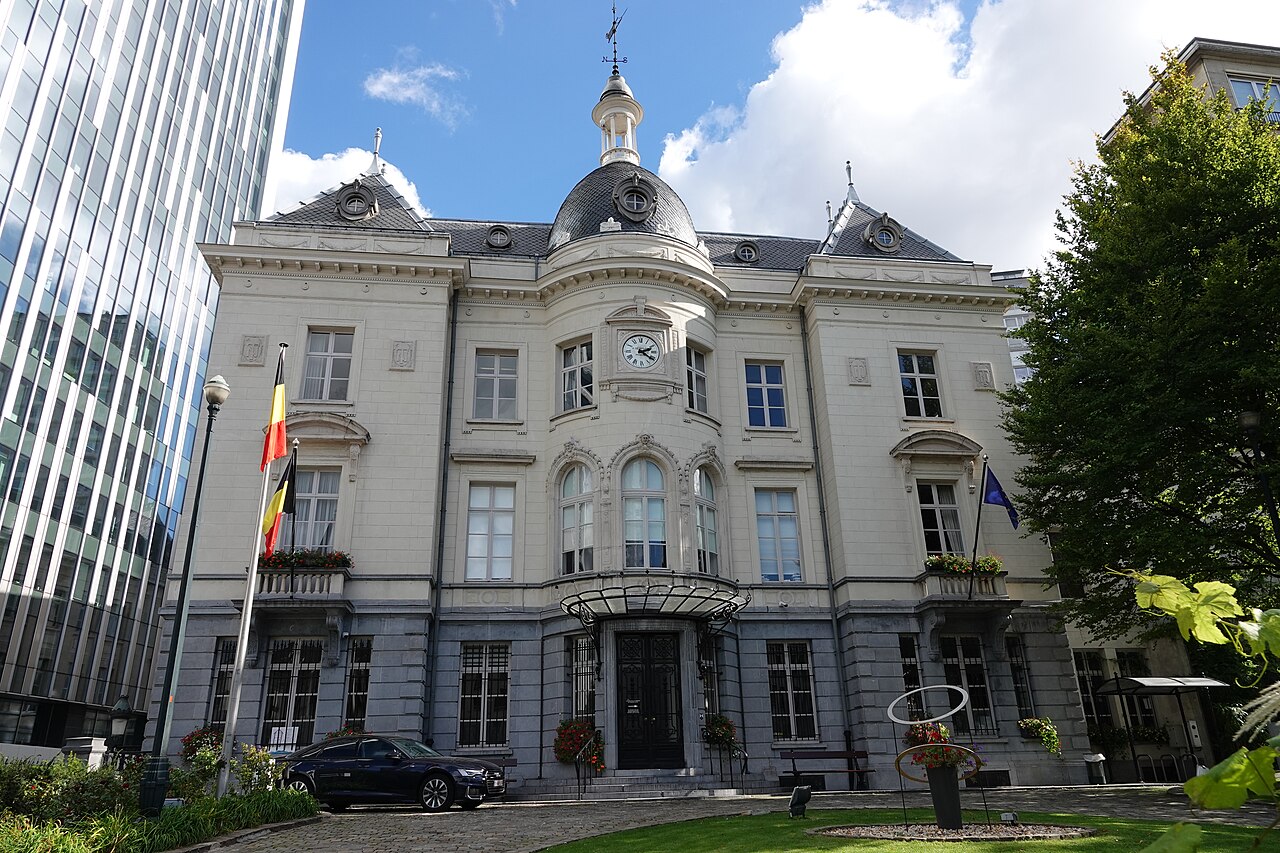
Powers and costs shift further down toward the regions and communes — the start of a tighter local-budget era.
After the region placed Saint-Josse under emergency supervision, its mayor condemned the move:
“An act of unprecedented violence.”
▾ Go deeper — How To Read The Deficit Numbers
A structural deficit is different from an annual shortfall. A commune can have a bad year because a grant arrives late or a one-off cost falls into a single budget. A structural deficit means the ordinary budget is out of line: the recurring money coming in is not enough for the recurring money going out.
That distinction matters because Belgian communes cannot treat permanent costs as temporary problems. Staff, pensions, welfare support and debt charges return each year. If the recurring gap is not closed, it reappears in the next budget cycle and usually becomes harder to solve.
Tax increases are therefore evidence of adjustment, not merely political preference. When hundreds of communes raise local taxes, it shows that councils are using the levers left to them. But it also shows the limits of local autonomy: a commune may be formally free to tax, while practically forced to do so by costs it cannot avoid.
Where the squeeze is already showing
Molenbeek shows the human form of the squeeze. The plan to cut posts covered both municipal administration and the CPAS, the local welfare office. That matters because it links two sides of the same pressure: the commune’s own staffing and the welfare function that faces social demand most directly.
Saint-Josse shows the institutional form. Emergency regional supervision is not a normal budget discussion. It is a sign that the regional authority has had to step in because the commune’s finances have crossed from political dispute into forced correction. The presence of a recovery plan also changes local autonomy, because future budgets must satisfy conditions set beyond the commune itself.
Wallonia shows the structural form. The UVCW warning about 2027 reflects a regional cluster of risk, not an isolated weak municipality. Walloon communes are more exposed because the needs they finance are heavier and their tax base is weaker. That combination makes the same federal or pension shock more damaging than it would be in a wealthier local tax area.
Brussels shows the escalation. When regional financing itself comes under pressure, the issue is no longer only whether a commune can raise an IPP surcharge or reduce staffing. It is whether higher tiers can credibly support local authorities while also defending their own borrowing position.
Flanders shows the counterpoint. The pressure is milder there, where most communes are holding course. The divide is therefore two-speed: wealthier Flanders funds its communes more comfortably, while Brussels and Wallonia face weaker tax bases and higher social need linked to poverty and migration.

An analysis of the 19 Brussels communes put the divide bluntly:
“Belgium is two-speed: Flanders is rich and finances its communes well; Brussels is not, and its communes suffer.”
How the pressure accumulated
The squeeze built slowly. COVID left communes with more debt. Federal transfers then fell. Pension costs rose. Structural deficits followed. Local tax increases became the next available response. None of these steps alone explains the situation; together they describe why a temporary fiscal strain became a recurring municipal problem.
The key mechanism is the mismatch between fixed obligations and flexible revenue. Communes must fund staff, pensions, welfare-linked costs and other regular commitments before they decide what is politically desirable. If the recurring cost base rises while transfers fall, the budget gap becomes structural unless local revenue rises or spending is cut.
The fiscal instruments are limited and politically sensitive. The IPP surcharge raises money through residents’ income tax bills. The property tax, known as the précompte immobilier, raises money through property ownership. Pension contributions are not a discretionary service but a payroll-related obligation. Together, they leave communes choosing between taxes people notice and costs they cannot easily avoid.
Regional rescue mechanisms enter when ordinary choices are insufficient. A recovery plan is a supervised path back to balance. It can protect basic financial credibility, but it also reduces local discretion. A commune under such a framework is still politically accountable to residents, but its room to choose the pace and distribution of savings is narrower.
The Brussels credit case adds a further mechanism: lender confidence. Public finance depends not only on legal taxing powers but also on whether lenders believe the borrower can manage its obligations. Once that concern reaches a region, it can alter the financing environment for the whole public tier beneath it.
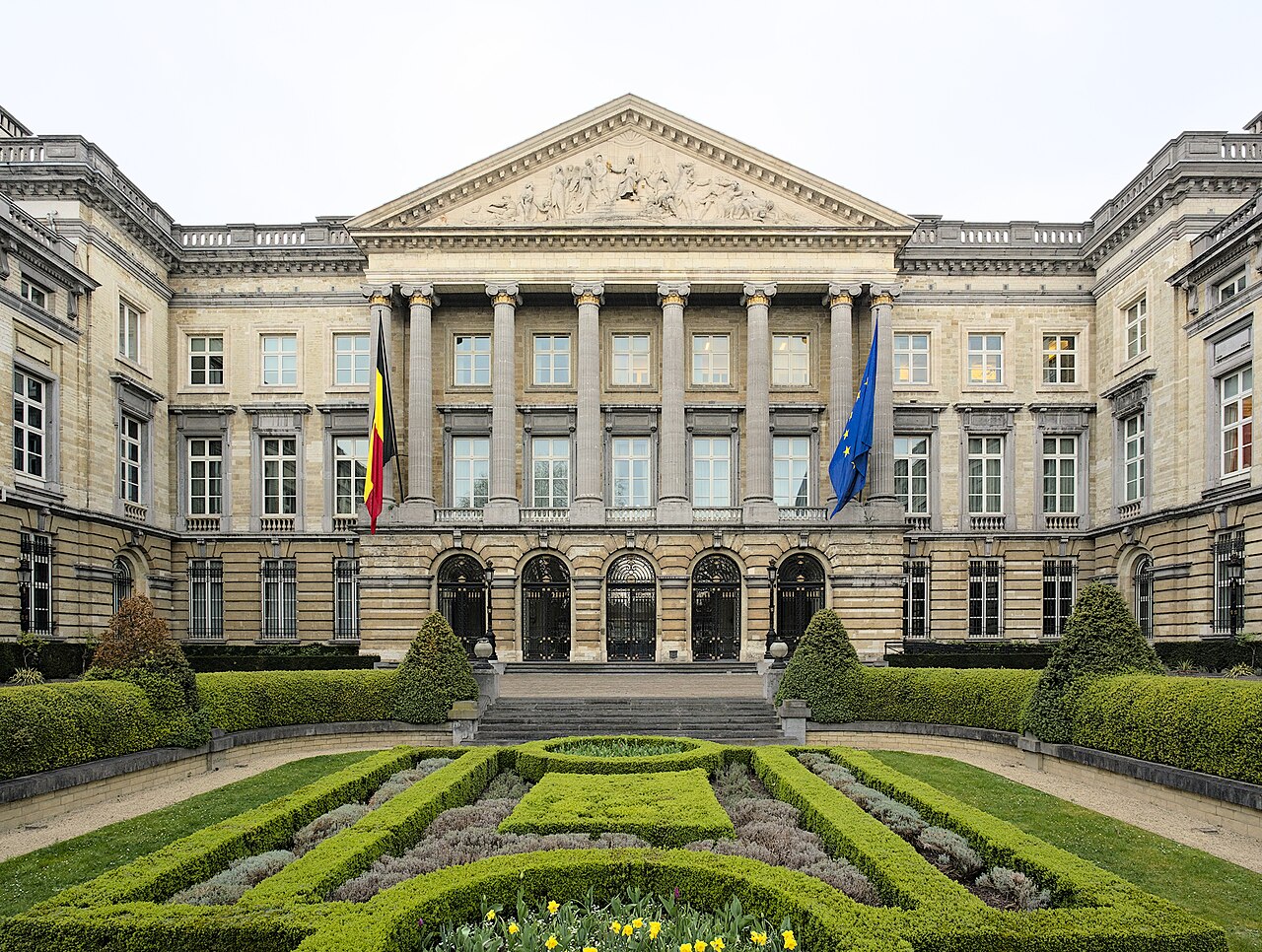
Mapping the gap, Brussels's local-powers minister put numbers on the divide:
“In Brussels, the average regional grant is just €344 per inhabitant — against more than €1,550 in Antwerp or Ghent.”
▾ Go deeper — Why Supervision Changes Local Autonomy
A tutelle is emergency oversight by a higher authority. In ordinary municipal life, the council debates the budget, the college of mayor and aldermen implements it, and residents judge the result politically. Under coercive supervision, the higher authority can force a recovery path because the commune’s financial position is no longer treated as manageable by ordinary means.
The CRAC scheme in Wallonia works as a regional recovery framework for communes in difficulty. It is a rescue tool, but not a neutral one. It can provide a route back to balance while binding the commune to conditions that shape future budgets.
This is why the squeeze becomes constitutional in practice even when no constitutional reform is taking place. Belgian communes retain elected councils and formal local responsibilities, but their real room for choice narrows when deficits, lender caution and regional recovery plans determine what is financially possible.
Three ways this could go
One interpretation is that communes should use their tax room. The average IPP surcharge is 7.1%, and there is constitutional space to increase it further. Supporters of this route argue that if services, staff and welfare obligations are local, then local authorities need revenue that matches those responsibilities. The fact that multiple Walloon commune councils have discussed surcharge increases in the 2026 cycle shows that this is not theoretical.
The objection is distributive and political. Walloon municipalities already face higher social expenditure obligations and lower tax bases. Raising local income or property taxes in those places can ask more of residents who live in areas with less fiscal strength. It may balance a spreadsheet while deepening the perception that poorer communes must pay more to sustain basic services.
A second interpretation favours efficiency and restructuring. From this view, recurring deficits require recurring corrections. Recovery plans, staffing restraint and spending discipline are treated as necessary because one-off support does not change the underlying trajectory. This argument is strongest where structural deficits are persistent and where payroll-linked costs absorb much of the municipal budget.
The counterargument is that local efficiency cannot offset costs imposed elsewhere. Pension contributions, police-zone funding and welfare-linked obligations are shaped largely beyond the commune. If a local authority is required to meet duties whose cost is decided at another level, then a purely local correction can become an exercise in transferring pressure downwards.
A third interpretation calls for federal or regional intervention. The UVCW’s warning that many Walloon communes cannot balance 2027 budgets without additional federal support rests on this logic. The case strengthens if current deficit signals continue or if new evidence confirms the trajectory. It weakens if an offsetting intervention occurs, such as restored transfers. Belfius projections that at least 40 communes may raise IPP or property tax before the end of 2027, and UVCW monitoring of pension pressure, frame the debate as one about timing as much as principle.
The economist questions how the squeeze is even measured:
“A state’s accounting is very crude: it does not distinguish between spending and investment.”
Where it shows up
If nothing changes, the first consequence is likely to be more visible local taxation. Belfius estimates that at least 40 communes will raise either IPP or property tax before the end of 2027, based on the current deficit trajectory. That is an estimate, not an established fact, but it indicates where the pressure points next.
The second consequence is pressure on payroll-heavy budgets. Local-government pension contributions are estimated to rise by 15-20% by 2028 relative to the 2024 baseline. Because municipal staff costs are a large recurring item, pension pressure can force difficult choices even where councils do not want to cut services.
The third consequence is institutional. More recovery plans, emergency supervision or lender caution would make municipal finance less locally controlled. Residents would still elect municipal councils, but those councils would increasingly operate under constraints set by creditors, regions or higher-level fiscal decisions.
The fourth consequence is trust. A resident who sees taxes rise, staff posts cut and regional intervention imposed may not distinguish between municipal, regional and federal responsibilities. Belgian institutional design is already complex. Financial stress makes that complexity more damaging because every tier can appear responsible and constrained at the same time.
Belfius projects at least 40 communes will raise either IPP or property tax before end of 2027, based on current deficit trajectory
Depends on: Rises if Structura signals strengthen or new Evidentia evidence confirms. Falls if an offsetting intervention occurs (e.g. restored federal transfers). Not yet informed by: signal, relationship — confidence is capped until present
Local-government pension contributions will increase by an estimated 15–20% by 2028, adding significant pressure to municipal payroll costs.
Depends on: Rises if Structura signals strengthen or new Evidentia evidence confirms. Falls if an offsetting intervention occurs (e.g. restored federal transfers)
- •About 40 municipal jobs are at risk in Molenbeek, with year-end bonuses halved.
- •280 communes have already raised local taxes — households pay the difference.
- •In Saint-Josse, emergency supervision means the region, not the commune, now signs off the budget.
- •As recurring costs crowd out the budget, local services and investment are squeezed first.
As Molenbeek prepared roughly 40 job cuts, staff pushed back:
“It is not up to the staff to pay for the mistakes of the past.”
What would relieve — or worsen — it
There are three main relief levers. The first is local revenue. Communes can raise the IPP surcharge, and Brussels communes are not subject to the same Walloon caps. In Wallonia, however, a fiscal peace limits the income surcharge to 8.8% and property tax to 2600 centimes. That protects taxpayers from unlimited rises but also limits the local answer when costs keep increasing.
The second lever is restored or increased outside support. Federal transfers fell by about €400 million cumulatively from 2022 to 2025. Reversing or offsetting that reduction would ease pressure directly, especially in communes whose tax base cannot carry higher social costs. The UVCW position rests on that dependency: without an additional federal transfer, a large share of Walloon communes is projected to miss balance in 2027.
The third lever is cost responsibility. Much of the burden is imposed from elsewhere: pensions of former staff, police-zone funding and CPAS welfare obligations are decided largely at federal level. If higher tiers keep decisions while communes carry the bill, the financial stress will remain politically hard to explain and technically hard to solve.
The risks can also intensify. Walloon communes face an €85 million projected IPP revenue loss by 2030, while 280 Belgian communes have already raised local taxes in 2026. If more residents pay more and still see local services constrained, the issue moves beyond municipal finance into confidence in Belgium’s allocation of responsibilities.
The Brussels credit line adds a final constraint. If regional borrowing confidence weakens, the ability of Brussels to stabilise its communes also becomes more uncertain. That is why the relief question is not only about finding money. It is about deciding which tier of the Belgian state owns the costs it has helped create.

The Walloon municipal association named what it wants fixed:
“Four issues are strangling the communes: pensions, poverty, firefighters and the police.”
The signals to watch
The leading indicators are future IPP and property-tax decisions, new recovery plans, pension-contribution updates, federal transfer choices and any further sign that regional credit conditions are tightening.
What to take away
Belgium’s municipal squeeze is still uneven, but its trajectory is clear: local deficits are becoming tax decisions, supervision decisions and, in Brussels, a wider test of public financial trust.
Why anger is growing
For some citizens, the issue is not only financial but symbolic. Belfius, formerly part of Dexia, survived the financial crisis thanks to public intervention.
When the same institution later refuses financing to public authorities, some see a contradiction. Others argue the bank is simply applying normal risk-management rules.
Whatever the correct interpretation, the episode has become a trust issue as much as a budget issue.
Facts are sourced; where the article describes perception it is labelled as interpretation, and the bank’s rationale is given.
The question facing Belgian municipalities is no longer whether pressure exists. It is how that pressure will be distributed — between taxpayers, public services, regional governments and future generations.
- →Restored federal transfers (they fell ~€400m over 2022–2025) would ease the communes that cannot close the gap locally.
- →A different split of imposed costs — pensions, police zones, local welfare — would change the arithmetic most for Brussels and Wallonia.
- →If Flanders began entering the same supervision regime, the “uneven” reading would no longer hold.
- Molenbeek plans ~40 job cuts to balance its 2026 budget — BX1
- ~300 protest at Molenbeek town hall against staff savings — La DH
- Saint-Josse placed under coercive tutelle (deficit >€30M) — L’Avenir
- Communes under CRAC management plans (Wallonia registry) — CRAC / UVCW
- Mons, Charleroi, Liège refinanced via “Plan Oxygène” — RTBF
- The two-speed financial agony of the 19 Brussels communes — La Libre
- Why big Walloon cities cost more than they bring in (pensions/police/CPAS) — Moustique
- 88 Flemish municipalities raised property tax (most kept rates stable) — VRT NWS