
 What's On
 Expat
NATURE · Reporting
Natuurpunt invites public to saw their own Christmas trees on Kempen heathland
Visitors to the Heiberg in Herentals can cut a young pine on 5 and 6 December, helping keep rare heathland open for species such as the nightjar.
Published: · Content updated:
Based on: VRT NWS
Saved articles and followed stories stay in this browser. No account sync or notifications.
In 30 seconds
Natuurpunt is letting the public saw young pines as Christmas trees in two Kempen heathland reserves for a voluntary contribution, a conservation measure that keeps the heath open for rare species such as the nightjar.
- Trees can be sawn in the Heiberg in Herentals on 5 and 6 December, and in the Liereman in Oud-Turnhout over the coming 2 weekends, according to VRT NWS.
- There is no fixed price: visitors decide what they pay, a tree can in principle be taken for free, and all donations go to the nature reserve.
- Removing young pines stops the open heath from growing back into pine forest, which would threaten the nightjar, the woodlark and rare lichens, says Natuurpunt site manager Herman Puls.
- According to Puls, the action has existed for about 15 years and keeps growing, with regulars coming from Brussels and Mechelen.
Sources: VRT NWS
What it means
What’s at stake
At stake is the survival of open heathland and the species that depend on it. According to Herman Puls, if the small pines were allowed to grow, the heath would become pine forest again and many species, including the nightjar, would be lost; variation, he says, is key for biodiversity. For Natuurpunt, the action also brings in donations for the reserve and a chance to explain its management to the public.
Sources: VRT NWS
What to do
Anyone wanting a tree can go to the Heiberg in Herentals on 5 and 6 December, or to the Liereman in Oud-Turnhout over the coming 2 weekends. You saw the tree yourself and pay what you choose, even nothing; all donations go to the reserve. The trees are pines rather than classic spruces, in various species and sizes, and no pesticides have been used on them.
Sources: VRT NWS
Context
Background
The Kempen, or Campine, is a natural region chiefly in north-eastern Belgium that once consisted mainly of extensive moors, sandy heath and wetlands. Reserves such as the Heiberg and the Liereman preserve remnants of that open heathland, where rare animals and lichens live. Left alone, young pines spread across the heath; according to Herman Puls of Natuurpunt, the area would eventually become pine forest again. To counter this, Natuurpunt began letting the public cut those pines as Christmas trees about 15 years ago. Puls told VRT NWS that the action started on a small scale but has grown considerably and now draws many people every year.
Sources: VRT NWS · Wikipedia: Campine (Background reference)
The wider picture
The nightjar, one of the species Natuurpunt cites, prefers dry, open country with some trees and small bushes, such as heaths and forest clearings. Encyclopaedic sources list habitat loss, disturbance and a reduction of its insect prey through pesticide use as the main threats to the species, although it is classified as being of least concern because of its large numbers and breeding range. Keeping heathland open, as the Kempen managers do by removing pines, therefore directly concerns the kind of habitat the bird depends on.
Sources: VRT NWS · Wikipedia: European nightjar (Background reference)
Why now
With the end-of-year period approaching and many shops and garden centres already selling Christmas trees, Natuurpunt is repeating its annual action: the Heiberg opens for tree-cutting on 5 and 6 December, and the Liereman over the coming 2 weekends, VRT NWS reported.
Sources: VRT NWS
Reporting
Trees from the heath
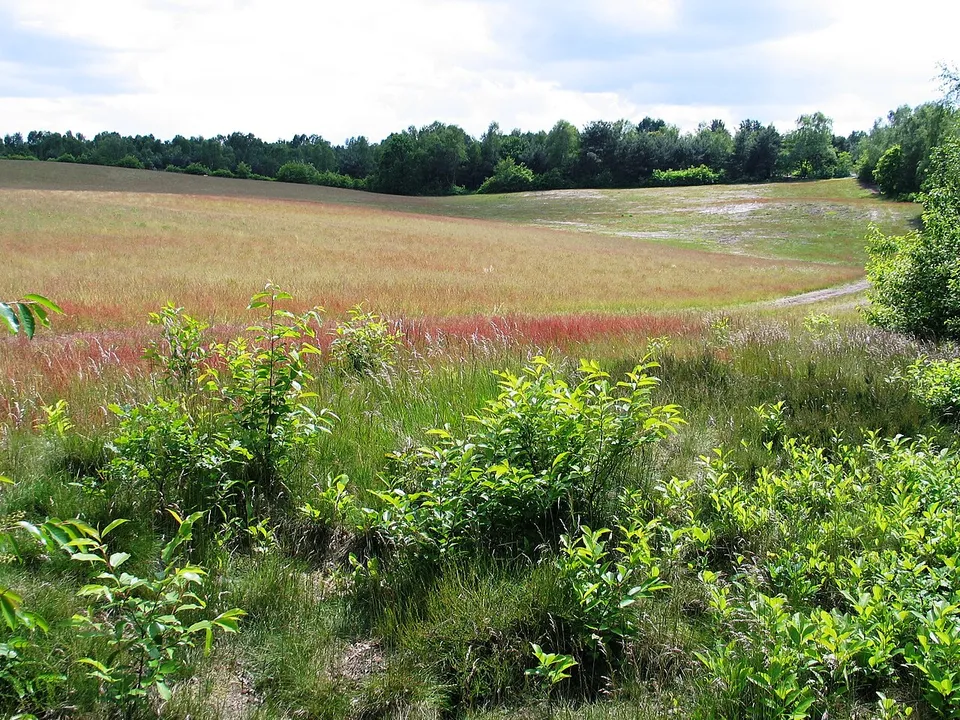
Natuurpunt is inviting the public to cut down their own Christmas trees in two nature reserves in the Kempen, in Herentals and Oud-Turnhout, VRT NWS reported on 24 November. In the Heiberg reserve in Herentals, visitors can saw a tree on 5 and 6 December, while at the Liereman in Oud-Turnhout the same kind of action runs over the coming 2 weekends. Both sites are open heathland, and the trees on offer are young pines that the site managers want removed.
Reporting
Keeping the heath open
The initiative is first and foremost a conservation measure. According to Natuurpunt site manager Herman Puls, quoted by VRT NWS, the heath would eventually turn back into pine forest if the small trees were left to grow, and many species would be lost as a result. The Kempense Heuvelrug is home to the nightjar, the woodlark and rare lichens, all of which depend on open terrain. Puls told the broadcaster that variation is the guiding principle for biodiversity. Most young pines have already been cleared from some parts of the reserve, he said, but plenty of work remains elsewhere.
Key line
A similar Christmas tree action runs over the coming 2 weekends in the Liereman nature reserve in Oud-Turnhout.
Reporting
Pay what you like
There is no fixed price. Visitors decide what they pay, and VRT NWS reported that every donation goes to the nature reserve. Puls said money is not the main point: people may give roughly what a Christmas tree usually costs, less, or in principle nothing at all. He also argued that a tree could hardly be more sustainable, since these pines have to be removed for management in any case and no pesticides have been used on them. Several pine species grow on the site, so trees of very different sizes and shapes are available.
Reporting
A growing tradition
The tree-cutting action has existed for roughly 15 years, according to Puls, and is still gaining popularity. It started on a small scale but now draws large crowds every year, he told VRT NWS, including regulars who travel from cities such as Brussels and Mechelen especially for the occasion. For many families, he said, choosing a tree in the reserve has become an annual outing, and some visitors spend hours searching for the ideal specimen.
Reporting
A lesson in conservation
Puls stressed that the purpose is not to hand out cheap trees but to draw attention to nature management. The action brings people into the reserve, where they can see for themselves why certain interventions are necessary, and gives the managers an opportunity to explain their work. He described the arrangement as a win-win: visitors lend a small hand with the clearing, and Natuurpunt gets to show why keeping the heathland open matters.
Understanding the story
What the main actors are doing
Reported positions, summarised — not direct quotations
Herman Puls
The Natuurpunt site manager at the Heiberg explains the action as nature management: removing young pines to keep the heath open. He stresses its educational value, calls it a win-win and says the trees are the most sustainable option possible.
Sources: VRT NWS
Natuurpunt
The nature organisation manages the reserves and runs the Christmas tree action, setting no fixed price and putting all donations towards the nature reserve, with the aim of drawing attention to nature management rather than supplying cheap trees.
Sources: VRT NWS
Key terms
- Kempen
- The Dutch name for the Campine, a natural region chiefly in north-eastern Belgium and parts of the south-eastern Netherlands, once made up mainly of moors, sandy heath and wetlands, covering much of Antwerp Province.
- Voluntary contribution
- A payment whose amount the visitor chooses. At the Heiberg, Natuurpunt says people may give the average price of a Christmas tree, less, or in principle nothing.
Sources: Wikipedia: Campine (Background reference) · VRT NWS
People, places and institutions
- HeibergNature reserve in Herentals, open heathland where the public can saw a tree on 5 and 6 December.
- LieremanNature reserve in Oud-Turnhout, open heathland hosting the same action over the coming 2 weekends.
- HerentalsMunicipality and city in the province of Antwerp, home to the Heiberg reserve.
- Oud-TurnhoutMunicipality in the Belgian province of Antwerp, home to the Liereman reserve.
- Kempense HeuvelrugArea where the nightjar, the woodlark and rare lichens live, according to VRT NWS.
- NatuurpuntNature organisation running the Christmas tree action; its site manager Herman Puls is the main voice in the story.
Sources: VRT NWS · Wikipedia: Herentals (Background reference) · Wikipedia: Oud-Turnhout (Background reference)
Sources and factual attribution (1)
- Je eigen kerstboom zagen kan in Kempense natuurgebieden: "Jonge dennen weghalen als vorm van natuurbeheer" | VRT NWS Nieuws — VRT NWS
Dated report by VRT NWS used for the facts attributed to it.
Source publication date: . Consulted: .
Supports
Visitors can saw their own Christmas tree in the Heiberg nature reserve in Herentals on 5 and 6 December.
VRT NWS: Je eigen kerstboom zagen kan in Kempense natuurgebieden: "Jonge dennen weghalen als vorm van natuurbeheer" | VRT NWS NieuwsA similar Christmas tree action runs over the coming 2 weekends in the Liereman nature reserve in Oud-Turnhout.
VRT NWS: Je eigen kerstboom zagen kan in Kempense natuurgebieden: "Jonge dennen weghalen als vorm van natuurbeheer" | VRT NWS NieuwsAccording to Herman Puls, removing young pines keeps the heathland open for species such as the nightjar, the woodlark and rare lichens, which would disappear if it became forest again.
VRT NWS: Je eigen kerstboom zagen kan in Kempense natuurgebieden: "Jonge dennen weghalen als vorm van natuurbeheer" | VRT NWS NieuwsNatuurpunt sets no fixed price: visitors decide what they pay and all donations go to the nature reserve.
VRT NWS: Je eigen kerstboom zagen kan in Kempense natuurgebieden: "Jonge dennen weghalen als vorm van natuurbeheer" | VRT NWS NieuwsHerman Puls described the trees as a sustainable alternative because they must be removed anyway and no pesticides were used.
VRT NWS: Je eigen kerstboom zagen kan in Kempense natuurgebieden: "Jonge dennen weghalen als vorm van natuurbeheer" | VRT NWS NieuwsThe initiative has existed for about 15 years and keeps growing, attracting regular visitors from cities such as Mechelen.
VRT NWS: Je eigen kerstboom zagen kan in Kempense natuurgebieden: "Jonge dennen weghalen als vorm van natuurbeheer" | VRT NWS NieuwsFor Natuurpunt, the action mainly has educational value, bringing people into the reserve to explain why management is needed.
VRT NWS: Je eigen kerstboom zagen kan in Kempense natuurgebieden: "Jonge dennen weghalen als vorm van natuurbeheer" | VRT NWS Nieuws
How this article was prepared
Revisions and corrections
No corrections recorded.
- First version · 1 —
First publication.