
TEAR GAS · Reporting
Interior minister Quintin rejects call to suspend police use of tear gas
Ecolo MP Rajae Maouane had urged a halt pending independent health studies, amid concerns that the effects of tear gas on women and on long-term health remain poorly understood.
Published: · Content updated:
Based on: La Libre Belgique

Saved articles and followed stories stay in this browser. No account sync or notifications.
Key facts
- In the plenary session of the Chamber, Ecolo MP Rajae Maouane asked Interior Minister Bernard Quintin whether he would apply the precautionary principle and suspend the use of tear gas pending independent studies on its health effects. (La Libre Belgique)
- Bernard Quintin (MR) rejected a suspension, saying police only use tear gas when facing a person or group that has refused to comply with orders, and that he wants a respected police force. (La Libre Belgique)
- Bernard Quintin said conduct outside the regulatory framework is analysed independently by the competent services, the AIG or the Comité P. (La Libre Belgique)
- A ministerial circular only permits tear gas in a purely defensive context, limited to situations of serious collective or individual violence. (La Libre Belgique)
In 30 seconds
Interior Minister Bernard Quintin (MR) has refused Ecolo's call to suspend police use of tear gas pending independent health studies, even as concerns grow over its poorly documented effects on women and long-term health.
- Ecolo MP Rajae Maouane asked the minister in the Chamber plenary to apply the precautionary principle and suspend tear gas until independent health studies are available.
- According to La Libre Belgique, the effects of tear gas on women's bodies, its possible carcinogenic nature and its long-term consequences remain insufficiently studied.
- A ministerial circular allows tear gas only in a purely defensive setting, limited to serious collective or individual violence.
- In an inspection report published in 2023, the Comité P pointed to an increasingly 'offensive' use of these products.
Sources: La Libre Belgique
What it means
What’s at stake
For demonstrators, and particularly women, the issue is exposure to a product whose gynaecological, possibly carcinogenic and long-term effects remain insufficiently studied, according to La Libre Belgique. For the minister, the stake is the police's ability to enforce orders and its respect in what he calls an increasingly violent public space. The gap between the circular's 'purely defensive' rule and the Comité P's finding of increasingly offensive use also raises questions about how the framework is applied in practice.
Sources: La Libre Belgique
What happens next
The minister does not plan to suspend tear gas. He said actions outside the regulatory framework will be analysed independently by the competent services, the AIG or the Comité P. It is not known whether independent health studies will be commissioned, nor whether the ministerial circular will be reviewed.
Sources: La Libre Belgique
Context
Background
The rules on tear gas are set out in a ministerial circular that limits its use to a purely defensive setting and to situations of serious collective or individual violence. Practice has been questioned for some time: in a 2023 inspection report, the Comité P noted that the products were being used in an increasingly offensive way. The debate also echoes an earlier controversy over police pursuits, which followed the death of 11-year-old Fabian, run over by the police in Ganshoren. Bernard Quintin explicitly linked the two discussions in his answer, rejecting calls both to end pursuits and to stop using tear gas.
Sources: La Libre Belgique
The wider picture
La Libre Belgique places the Belgian debate in an international context. In France, the collective Lacrymos de sang has gathered testimonies from women reporting gynaecological problems after exposure, including cramps, disrupted periods and miscarriages. In New York, the new Democratic mayor Zohran Mamdani recently ended the use of tear gas in policing operations, while in Europe Spain has restricted its police's use of incapacitating sprays. According to the paper, no comparable measure appears to be on the agenda in Belgium.
Sources: La Libre Belgique
Why now
The question reached the Chamber as large-scale demonstrations have multiplied in Belgium in recent weeks, according to La Libre Belgique, and after the paper reported earlier in the week on the poorly documented health effects of tear gas, particularly on women.
Sources: La Libre Belgique
How we got here
The Comité P publishes an inspection report pointing to an increasingly offensive use of tear gas.
Bernard Quintin becomes Minister of Foreign Affairs in the De Croo Government.
Bernard Quintin becomes Minister of the Interior in the De Wever Government.
In the Chamber plenary, Bernard Quintin rejects Rajae Maouane's request to suspend tear gas pending independent studies.
Sources: La Libre Belgique · Wikipedia: Bernard Quintin (Background reference)
Reporting
Request turned down in the Chamber
Belgium's Interior Minister Bernard Quintin (MR) has ruled out suspending the use of tear gas by the police, turning down a request from Ecolo MP Rajae Maouane during the plenary session of the Chamber on Thursday 19 November, La Libre Belgique reported. Rajae Maouane asked whether the minister would invoke the precautionary principle and halt the use of the gas until independent studies on its health effects become available. Bernard Quintin answered that he would not, according to the paper.
Reporting
Health questions remain open
The question came amid growing health concerns about tear gas, which is classed as a less-lethal weapon. La Libre Belgique noted that its effects on women's bodies have not been adequately documented or studied scientifically, and that the same applies to its possible carcinogenic properties and its long-term consequences for the body. In France, the collective Lacrymos de sang has gathered thousands of testimonies from women describing gynaecological problems, including cramps, disrupted periods and some miscarriages, after exposure to the gas, the paper reported. The debate has gained urgency because large demonstrations have followed one another in Belgium in recent weeks.
Reporting
The minister's reply
In his answer, the liberal minister drew a comparison with earlier calls to stop police pursuits, asking sarcastically whether the police should simply no longer leave their barracks and stations, La Libre Belgique reported. He said officers only resort to tear gas when facing a person or a group that has refused to follow orders, and insisted that police orders must be obeyed. Bernard Quintin added that any action falling outside the regulatory framework is examined independently by the competent bodies, namely the AIG or the Comité P. He then turned to violence against officers, saying he wants a police force that is respectful, respectable and respected, and that its work deserves respect as public space becomes more violent.
Reporting
Strict rules, contested practice
On paper, the rules are restrictive. As La Libre Belgique recalled, a ministerial circular permits these products only in a purely defensive setting, limited to situations of serious collective or individual violence. Yet the Comité P, the body that oversees the police services, pointed in an inspection report published in 2023 to an increasingly offensive use of tear gas.
Reporting
Belgium out of step abroad
The minister's position contrasts with decisions taken elsewhere. According to La Libre Belgique, the new Democratic mayor of New York, Zohran Mamdani, recently ended the use of tear gas in policing operations, while Spain has restricted its officers' use of incapacitating sprays. No comparable step appears to be on the agenda in Belgium for now. It is not known whether the federal authorities intend to commission the independent health studies that Ecolo is calling for.
Understanding the story
What the main actors are doing
Reported positions, summarised — not direct quotations
Bernard Quintin
The MR Interior Minister refuses to suspend tear gas, saying officers use it only against people who refuse to obey orders, and that he wants a police force that is 'respectful, respectable and respected'.
Sources: La Libre Belgique
Rajae Maouane
The Ecolo MP asked the minister to apply the precautionary principle and suspend tear gas until independent studies on its health effects are available.
Sources: La Libre Belgique
Comité P
The police oversight body flagged an increasingly offensive use of tear gas in a 2023 report and, with the AIG, is one of the services the minister says will independently examine actions outside the rules.
Sources: La Libre Belgique
Key terms
- Ministerial circular on tear gas
- The rule set by a ministerial circular: tear gas may be used only in a 'purely defensive' setting, limited to situations of serious collective or individual violence.
- Precautionary principle
- In this debate, the idea invoked by Ecolo of suspending tear gas as long as its health effects have not been established by independent studies.
Sources: La Libre Belgique
People, places and institutions
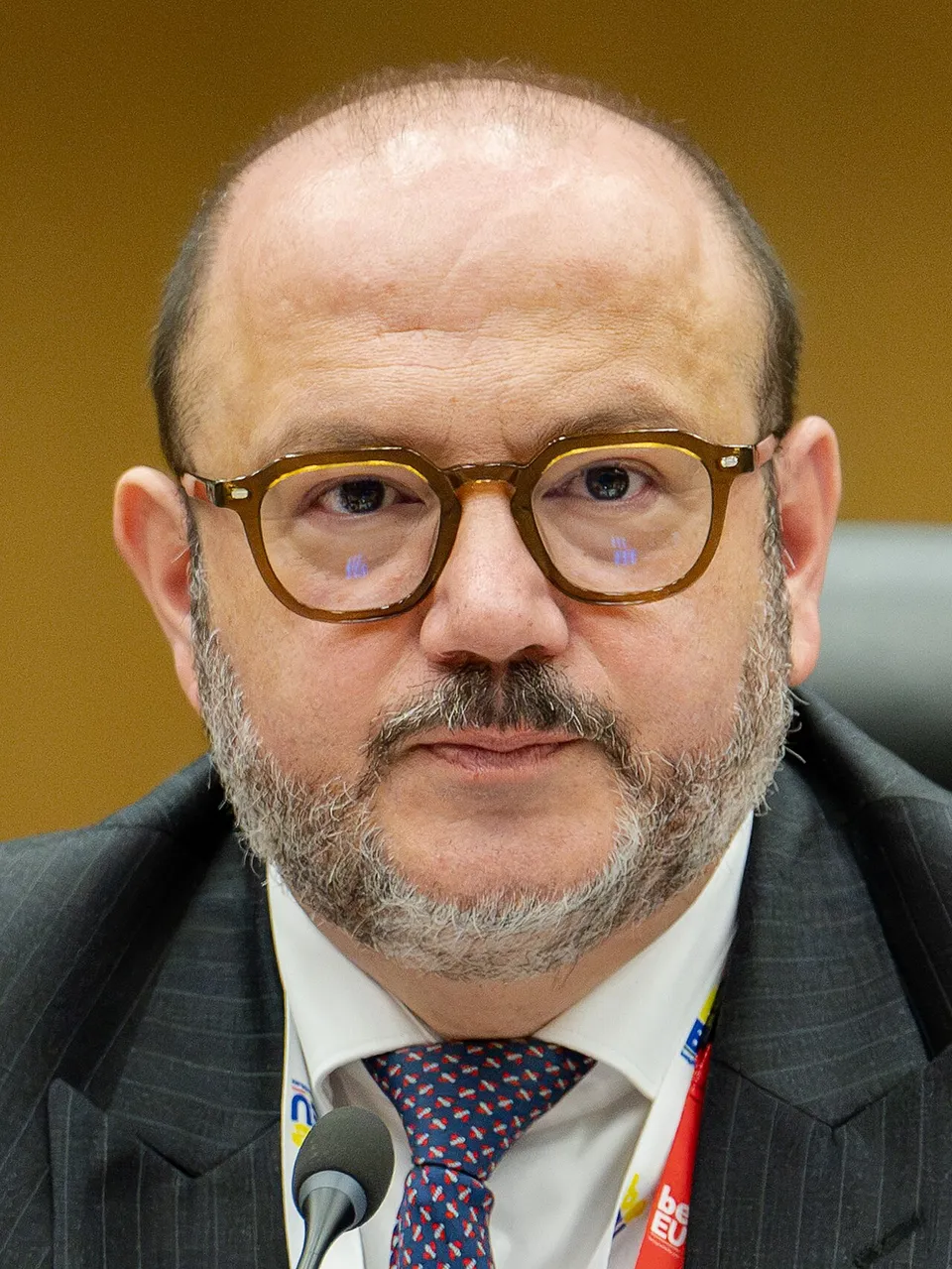
- Bernard QuintinMinister of the Interior in the De Wever Government since February 2025; rejected the call to suspend tear gas.
- Rajae MaouaneEcolo MP who questioned the minister in the Chamber plenary on the health risks of tear gas.
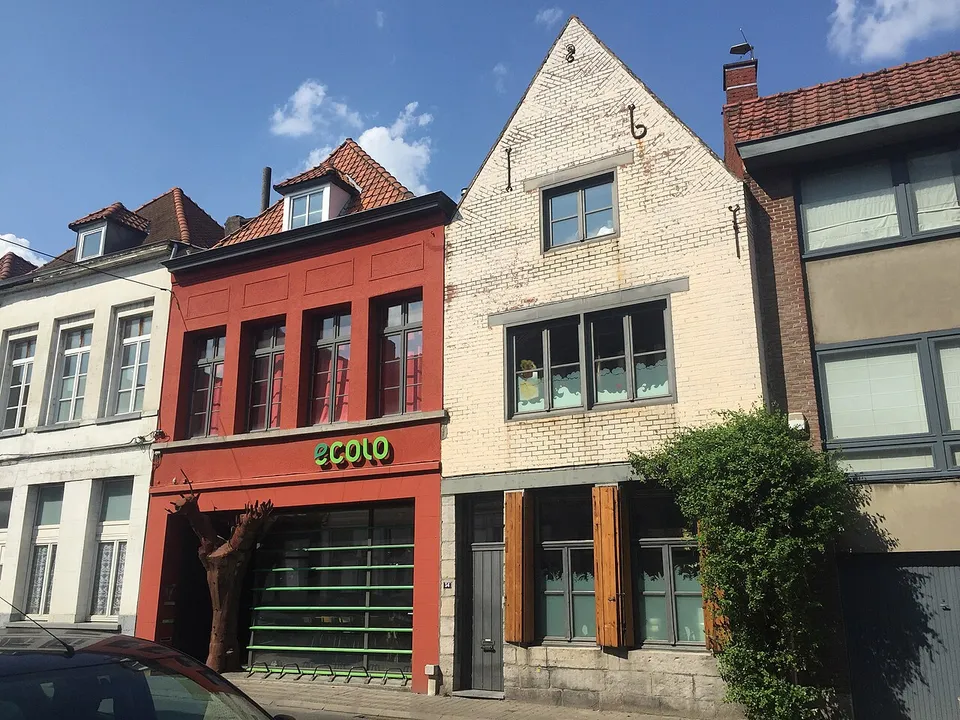
- EcoloFrench-speaking green party active in Wallonia and Brussels; its MP called for a suspension of tear gas.
- MRLiberal French-speaking party of Interior Minister Bernard Quintin.
- Comité PPolice oversight body whose 2023 inspection report noted increasingly offensive use of tear gas.
- AIGOne of the competent services the minister says will independently analyse police actions outside the rules.
- Lacrymos de sangFrench collective that gathered testimonies from women reporting gynaecological problems after tear gas exposure.
- Zohran MamdaniNew Democratic mayor of New York who recently ended the use of tear gas in policing operations.
Sources: La Libre Belgique · Wikipedia: Bernard Quintin (Background reference) · Wikipedia: Ecolo (Background reference) · Wikipedia: Reformist Movement (Background reference)
Some background items were left out because automated checks could not verify them against the sources.
People, places and organisations in this story
File pictures of subjects named in the article, not pictures of the events reported.

Related reading
Is the High Fens fire over now that evacuees are home?
Fire crews tackled several local flare-ups in the High Fens overnight into 24 August, although the wildfire is contained and every Belgian and German resident evacuated during the emergency has been allowed home. Roads and nature areas remain closed because peat can keep smouldering below ground.
Is Belgium prepared for another disaster on the scale of the High Fens fire?
Belgian Interior Minister Bernard Quintin said on Monday that the High Fens wildfire was gradually coming under control, while rejecting claims that Belgium had been unprepared for a disaster of this scale. Walloon authorities confirmed that the fire was under control on 24 August, although local flare-ups, environmental monitoring and access restrictions continued.
Has the High Fens fire exposed gaps in Belgium’s emergency planning?
Liège provincial authorities reported on 18 August that the High Fens wildfire was under control after a renewed flare-up near Sourbrodt had forced firefighters onto the defensive and prompted Federal Interior Minister Bernard Quintin to coordinate with every provincial governor.
Can a single police command curb Brussels’ latest wave of shootings?
Brussels’ six police zones placed specialist teams under a single operational command on 26 August after six shootings were recorded across Anderlecht, Saint-Gilles and Molenbeek in four days. The immediate test is whether reinforced patrols and better intelligence-sharing can stop the violence while investigators pursue the criminal networks behind it.
Quintin deploys extra federal police as Brussels unifies command against gun violence
Interior Minister Bernard Quintin announced an additional federal police platoon and reinforced specialist units in Brussels on Wednesday after six shootings in four days, while the capital’s six police zones moved under a single operational command.
Sources and factual attribution (1)
- Le ministre de l'Intérieur écarte l'idée de suspendre l'usage des gaz lacrymogènes malgré les préoccupations pour la santé — La Libre Belgique
Dated report by La Libre Belgique used for the facts attributed to it.
Source publication date: . Consulted: .
Supports
In the plenary session of the Chamber, Ecolo MP Rajae Maouane asked Interior Minister Bernard Quintin whether he would apply the precautionary principle and suspend the use of tear gas pending independent studies on its health effects.
La Libre Belgique: Le ministre de l'Intérieur écarte l'idée de suspendre l'usage des gaz lacrymogènes malgré les préoccupations pour la santéBernard Quintin (MR) rejected a suspension, saying police only use tear gas when facing a person or group that has refused to comply with orders, and that he wants a respected police force.
La Libre Belgique: Le ministre de l'Intérieur écarte l'idée de suspendre l'usage des gaz lacrymogènes malgré les préoccupations pour la santéBernard Quintin said conduct outside the regulatory framework is analysed independently by the competent services, the AIG or the Comité P.
La Libre Belgique: Le ministre de l'Intérieur écarte l'idée de suspendre l'usage des gaz lacrymogènes malgré les préoccupations pour la santéA ministerial circular only permits tear gas in a purely defensive context, limited to situations of serious collective or individual violence.
La Libre Belgique: Le ministre de l'Intérieur écarte l'idée de suspendre l'usage des gaz lacrymogènes malgré les préoccupations pour la santéIn an inspection report published in 2023, the Comité P pointed to an increasingly offensive use of tear gas products.
La Libre Belgique: Le ministre de l'Intérieur écarte l'idée de suspendre l'usage des gaz lacrymogènes malgré les préoccupations pour la santéThe effects of tear gas on women's bodies, its possible carcinogenic nature and its long-term consequences remain insufficiently studied; in France the collective Lacrymos de sang gathered thousands of testimonies from women reporting gynaecological problems after exposure.
La Libre Belgique: Le ministre de l'Intérieur écarte l'idée de suspendre l'usage des gaz lacrymogènes malgré les préoccupations pour la santéThe new Democratic mayor of New York, Zohran Mamdani, recently ended the use of tear gas in policing operations, while Spain has limited its police's use of incapacitating sprays.
La Libre Belgique: Le ministre de l'Intérieur écarte l'idée de suspendre l'usage des gaz lacrymogènes malgré les préoccupations pour la santé
How this article was prepared
Revisions and corrections
No corrections recorded.
- First version · 1 —
First publication.