
 What's On
 Expat
HEALTHCARE CLIMATE · Reporting
Hospital group Epicura cuts gas use by 35% as it tackles its environmental footprint
From dialysis to anaesthesia, the group behind the Hornu hospital is reworking its practices. Its carbon footprint fell by 2% between 2023 and 2025, and it is aiming for 15% by 2030.
Published: · Content updated:
Based on: La Libre Belgique
Saved articles and followed stories stay in this browser. No account sync or notifications.
In 30 seconds
- According to Marlène Frèrejean, purchases such as food, medicines and office and cleaning supplies account for 50% of Epicura's carbon footprint.
- Treating B2 hospital waste costs eleven times more than treating B1 waste; better sorting cut Epicura's B2 waste from 295 to 188 tonnes in three years.
- The Hornu hospital carries out forty dialyses a day, six days a week, which is why storing acid in tanks rather than single-use bags makes a significant difference to waste.
Sources: La Libre Belgique
What it means
What’s at stake
For Epicura, the stakes are both environmental and financial: B2 hospital waste costs eleven times more to treat than B1, and Frèrejean says any new sorting stream must be economically viable. Patients feel the change too, for instance through oral rather than intravenous paracetamol unless there is a medical reason not to. More broadly, UNamur warns that without structural action the Belgian healthcare footprint could grow by more than 60% by 2050, with hospitals responsible for over half of it.
Sources: La Libre Belgique
What happens next
Epicura is aiming for a 40% cut in gas consumption and a 15% cut in its carbon footprint by 2030, and hopes to reduce electricity use by 30%. Solar panels are still being installed, the group is talking to suppliers about avoiding unnecessary packaging, and a partnership with BD will audit the use of catheters. The report does not say what the investments cost or how progress towards the 2030 targets will be tracked.
Sources: La Libre Belgique
Context
Background
Epicura launched a corporate social responsibility (CSR) strategy in 2019, which was later folded into its overall hospital strategy in 2025. It rests on four pillars: the environment, sustainable mobility, sustainable purchasing and a social and societal dimension. Alongside it, the group developed the idea of 'sustainable units': in dialysis, geriatrics, intensive care and operating theatres, staff are involved in finding ways to work more sustainably. The group, which includes three hospitals and three polyclinics among other facilities, also tackled its buildings: roofs were redone and insulated, single-glazed window frames replaced, oil-fired boilers swapped for gas boilers, and its Hornu and Baudoir sites linked to the geothermal well in Saint-Ghislain.
Sources: La Libre Belgique
The wider picture
According to the University of Namur, healthcare accounts for around 5% of greenhouse gas emissions both worldwide and in Belgium; if the sector were a country, it would be the world's fifth-largest CO₂ emitter. Without structural action, UNamur warns, its Belgian footprint could grow by more than 60% by 2050, with hospitals responsible for over half. UNamur made these points while announcing a cooperation with the Saint-Luc de Bouge clinic on combining digital transformation and sustainable transition in healthcare. The BD barometer ranks Belgium among the poorest performers on environmental impact, even though it scores well on patient safety, health professionals and efficiency.
Sources: La Libre Belgique
Why now
The report follows the inauguration of a new wing at Epicura's Hornu hospital in the week before La Libre Belgique's visit, and comes after 12 November, when BD presented its healthcare resilience barometer and UNamur published its figures on the sector's emissions. The conclusions of COP 31 in Antalya were also expected shortly.
Sources: La Libre Belgique
How we got here
Epicura launches its corporate social responsibility strategy.
The CSR strategy is integrated into the group's overall hospital strategy; gas use is down 35% compared with 2023.
BD presents its healthcare resilience barometer, where François Burhin speaks about sustainable units; UNamur publishes its figures on healthcare emissions.
Target year: a 40% cut in gas use and a 15% cut in carbon footprint.
Sources: La Libre Belgique
Reporting
Dialysis without single-use bags
The hospital group Epicura has overhauled the way it runs dialysis at its hospital in Hornu, in the municipality of Boussu, as part of a wider drive to shrink its environmental footprint, La Libre Belgique reported. In the new wing of the Hornu hospital, opened the week before the newspaper's visit, the acid needed by dialysis machines no longer arrives in heavy single-use bags. Instead it is kept in large tanks that supply the treatment rooms directly, which according to the paper significantly reduces waste. Water is now purified by a new reverse-osmosis unit that uses less water, and its pipework is disinfected with heat rather than chemicals. The changes form part of a corporate social responsibility strategy that Epicura launched in 2019 and folded into its overall hospital strategy in 2025, resting on the environment, sustainable mobility, sustainable purchasing and a social dimension.
Reporting
Less gas, more geothermal heat
According to La Libre Belgique, the group has renovated and insulated roofs, replaced single-glazed window frames, swapped oil-fired boilers for less energy-hungry gas boilers and is in the process of installing solar panels. Its Hornu site and a second site are connected to the geothermal well in Saint-Ghislain, which supplies water at 70 °C for heating and domestic hot water. As a result, Epicura reduced its gas consumption by 35% between 2023 and 2025 and is aiming for 40% by 2030, while also hoping to bring its electricity use down by 30%.
Key line
Epicura launched a corporate social responsibility strategy in 2019 and integrated it into its overall hospital strategy in 2025.
Reporting
Waste, purchasing and clinical choices
Marlène Frèrejean, Epicura's strategic adviser for research and innovation, told the newspaper that the group now runs 18 separate waste-sorting streams, glass included. Better sorting of contaminated hospital waste, where the B2 category costs far more to treat than B1, brought B2 waste down from 295 to 188 tonnes over three years. She said purchases make up 50% of the group's carbon footprint. Clinical habits are shifting as well: paracetamol is given orally rather than intravenously unless there is a medical reason not to, anaesthetists now use sevoflurane instead of the more polluting desflurane, and doctors are encouraged to choose ultrasound over CT and MRI scans, which the paper describes as 18 and 35 times more polluting respectively.
Reporting
A sector with a heavy footprint
The effort matters because healthcare is a substantial source of emissions. The UNamur, the University of Namur, said on 12 November that the sector accounts for roughly 5% of greenhouse gas emissions both worldwide and in Belgium, and warned that without structural action its Belgian footprint could grow by more than 60% by 2050, with hospitals responsible for over half of it. A resilience barometer commissioned by the medical technology company BD, comparing 42 European countries, ranked the Belgian healthcare system tenth overall but among the poorest performers on environmental impact. Els Van Herewegen of BD urged nuance, noting that broad coverage of care naturally leads to higher consumption of care.
Reporting
Targets for 2030
Progress on the overall carbon balance has so far been modest. La Libre Belgique reported that Epicura's carbon footprint fell by 2% between 2023 and 2025, and the group is targeting a 15% cut by 2030. Director general François Burhin explained on 12 November that staff in four so-called sustainable units, covering dialysis, geriatrics, intensive care and operating theatres, are being involved in looking for further improvements. The report does not say how much the investments cost or how the group will track its progress towards the 2030 goals.
Understanding the story
What the main actors are doing
Reported positions, summarised — not direct quotations
Epicura
The hospital group is cutting energy use, sorting waste into 18 streams, changing clinical practices and working with suppliers to reduce its environmental footprint.
Sources: La Libre Belgique
François Burhin
Epicura's director general promotes the sustainable units in dialysis, geriatrics, intensive care and operating theatres, and sums up the purchasing approach as buying better, consuming better and sometimes buying less.
Sources: La Libre Belgique
Marlène Frèrejean
Epicura's strategic adviser for research and innovation explains the waste-sorting effort and the work with suppliers, stressing that setting up a sorting stream takes time and must be economically viable.
Sources: La Libre Belgique
BD
The medical technology company commissioned the healthcare resilience barometer and has a partnership with Epicura to audit the use of catheters.
Sources: La Libre Belgique
Voices & reactions
Els Van Herewegen (BD)
Els Van Herewegen of BD admits Belgium's poor environmental score calls for nuance: a system with good coverage of care, as in Belgium, generates more consumption of care and therefore a larger environmental impact.
Sources: La Libre Belgique
Key terms
- B1 and B2 waste
- Hospital waste that has been in contact with patients and is incinerated. B2 waste is, for example, contaminated or soiled with blood, and costs eleven times more to treat than B1 waste.
- Sevoflurane
- An anaesthetic gas that Epicura now uses; according to La Libre Belgique it is just as effective as desflurane, used previously, but far less polluting.
- Sustainable units
- Epicura's concept of four departments (dialysis, geriatrics, intensive care and operating theatres) where staff are involved in finding ways to work more sustainably.
Sources: La Libre Belgique
People, places and institutions
- EpicuraHospital group of, among others, three hospitals and three polyclinics, at the centre of the environmental drive.
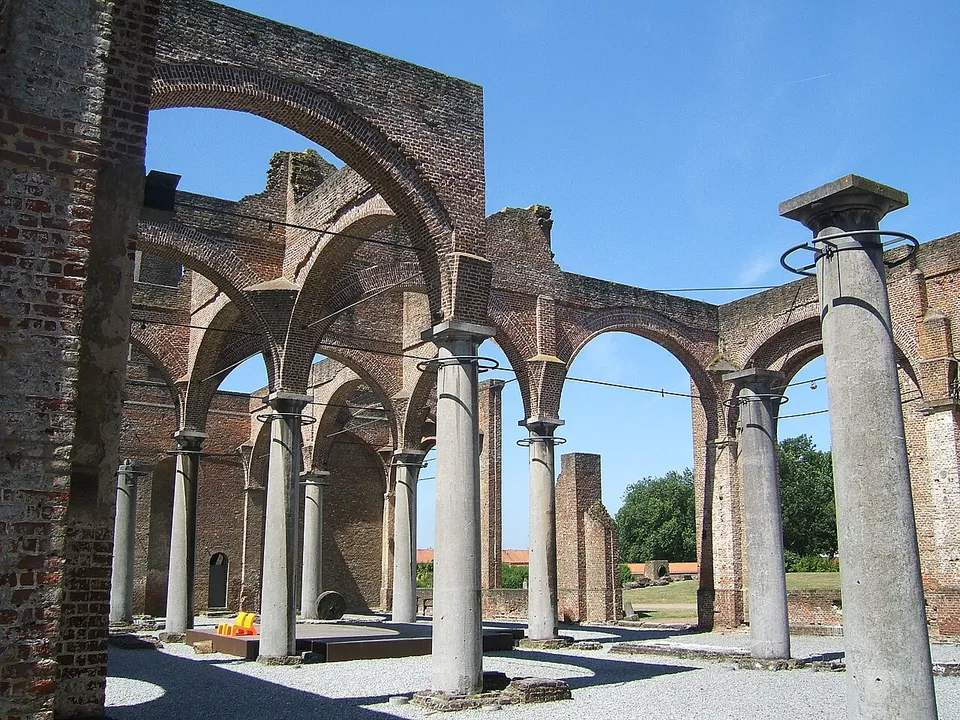
- HornuSection of the municipality of Boussu in the Borinage, Hainaut, and a separate municipality until the 1977 merger; home to the Epicura hospital with the new dialysis wing.
- BoussuWalloon municipality in the province of Hainaut, made up of the districts of Boussu and Hornu, where the Hornu hospital is located.
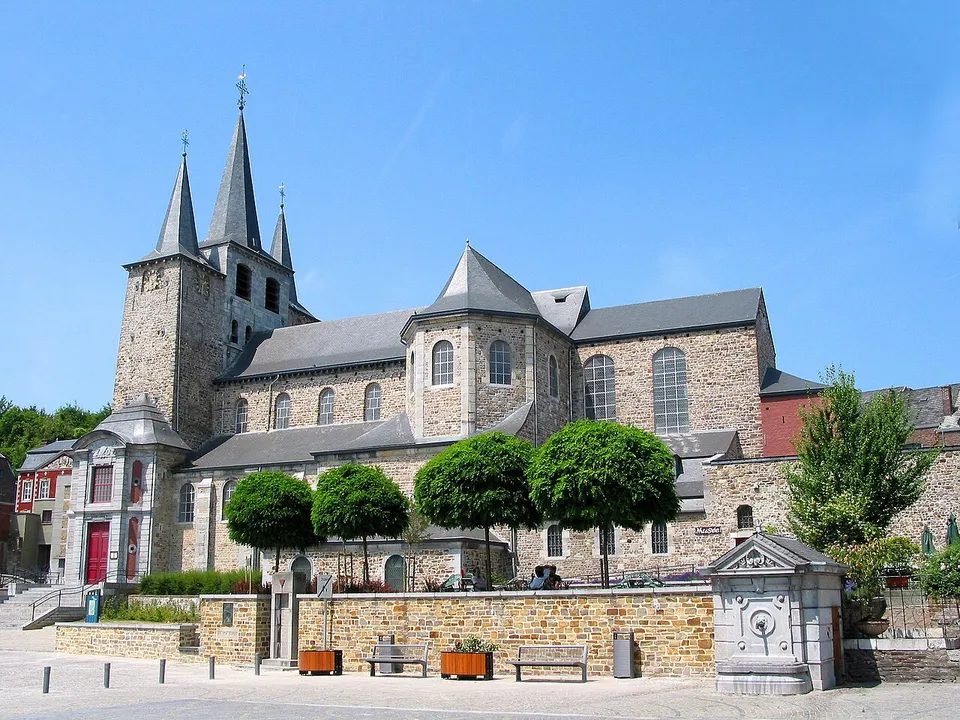
- Saint-GhislainLocation of the geothermal well whose 70 °C water heats Epicura's Hornu and Baudoir sites and supplies domestic hot water.
- Université de NamurUniversity that published the figures on healthcare emissions and announced a cooperation with the Saint-Luc de Bouge clinic.
- BDMedical technology company behind the resilience barometer and Epicura's partner for the catheter audit.
Sources: La Libre Belgique · Wikipedia: Hornu (Background reference) · Wikipedia: Boussu (Background reference)
Some background items were left out because automated checks could not verify them against the sources.
People, places and organisations in this story
File pictures of subjects named in the article, not pictures of the events reported.
Sources and factual attribution (1)
- Dialyse, anesthésie, échographie… : comment les hôpitaux affrontent le défi environnemental — La Libre Belgique
Dated report by La Libre Belgique used for the facts attributed to it.
Source publication date: . Consulted: .
Supports
In the new wing of the Epicura hospital in Hornu, in Boussu, dialysis acid is stored in large tanks instead of single-use bags, and a new reverse-osmosis unit uses less water.
La Libre Belgique: Dialyse, anesthésie, échographie… : comment les hôpitaux affrontent le défi environnementalEpicura launched a corporate social responsibility strategy in 2019 and integrated it into its overall hospital strategy in 2025.
La Libre Belgique: Dialyse, anesthésie, échographie… : comment les hôpitaux affrontent le défi environnementalEpicura cut its gas consumption by 35% between 2023 and 2025, targets 40% by 2030 and hopes to cut electricity use by 30%.
La Libre Belgique: Dialyse, anesthésie, échographie… : comment les hôpitaux affrontent le défi environnementalThe Hornu site is connected to the Saint-Ghislain geothermal well, whose water at 70 °C is used for heating and hot water.
La Libre Belgique: Dialyse, anesthésie, échographie… : comment les hôpitaux affrontent le défi environnementalAccording to Marlène Frèrejean, Epicura has 18 waste-sorting streams and reduced its B2 hospital waste from 295 to 188 tonnes in three years.
La Libre Belgique: Dialyse, anesthésie, échographie… : comment les hôpitaux affrontent le défi environnementalPurchases account for 50% of Epicura's carbon footprint; the group favours oral paracetamol, has switched from desflurane to sevoflurane and encourages ultrasound over CT and MRI, which are 18 and 35 times more polluting.
La Libre Belgique: Dialyse, anesthésie, échographie… : comment les hôpitaux affrontent le défi environnementalThe UNamur said on 12 November that healthcare accounts for about 5% of greenhouse gas emissions worldwide and in Belgium, and that its Belgian footprint could grow by more than 60% by 2050 without structural action.
La Libre Belgique: Dialyse, anesthésie, échographie… : comment les hôpitaux affrontent le défi environnementalA barometer commissioned by BD comparing 42 European countries ranks the Belgian healthcare system tenth, but among the weakest on environmental impact, a result Els Van Herewegen says should be nuanced.
La Libre Belgique: Dialyse, anesthésie, échographie… : comment les hôpitaux affrontent le défi environnementalEpicura's carbon footprint fell by 2% between 2023 and 2025, and the group targets a 15% reduction by 2030.
La Libre Belgique: Dialyse, anesthésie, échographie… : comment les hôpitaux affrontent le défi environnementalFrançois Burhin, director general of Epicura, said on 12 November that staff in four sustainable units are involved in making dialysis, geriatrics, intensive care and operating theatres more sustainable.
La Libre Belgique: Dialyse, anesthésie, échographie… : comment les hôpitaux affrontent le défi environnemental
How this article was prepared
Revisions and corrections
No corrections recorded.
- First version · 1 —
First publication.