
PESTICIDE EXPORTS · Reporting
European pesticides named in 1605 poisonings in Brazil, NGOs say
Public Eye and Unearthed say products from Bayer, Syngenta and BASF account for 56% of named poisonings in Brazil. Some are banned in the EU, while Belgium already restricts such exports.
Published: · Content updated:
Based on: RTBF
Saved articles and followed stories stay in this browser. No account sync or notifications.
Reporting
A joint NGO report on Brazil
Two non-governmental organisations, Public Eye and Unearthed (the latter linked to Greenpeace), have published a joint report this week arguing that pesticides sold by European agrochemical groups, notably Bayer, Syngenta and BASF, feature prominently in poisoning records in Brazil, RTBF reported. The authors drew on a national Brazilian health ministry database of acute poisonings by agricultural toxic products. It logs exposures noted by a health worker, whether through touching, breathing, swallowing or eye contact. More than 6700 suspected or confirmed cases of all severities were declared last year, and the NGOs say the number is rising. About 4 in 10 entries name a pesticide, giving 2857 product names, and more than half belong to big European companies. According to the NGOs, European products are linked to 1605 cases, or 56% of the poisonings where a product was named.
Reporting
Roundup and banned products
Laurent Gaberell, one of the authors, said the product most often involved is Bayer's Roundup, a glyphosate-based herbicide widely used in Brazilian farming and also in Europe, where it is authorised. Further down the list, he said, come several products banned for use in the European Union because of their hazards. The authors counted about 300 poisoning cases involving pesticides prohibited in the EU yet manufactured there for export. He named Dormex from the German company BASF and Reglone, a herbicide from the Swiss firm Syngenta, both barred in the EU or Switzerland for their risks but exported to Brazil and cited in last year's poisoning lists.
Reporting
Legal exports and the Belgian angle
These exports are legal. Gaberell explained that, except in Belgium and France, EU states still allow the export of products banned within the Union. He called it the paradox of the system: pesticides are banned from European fields because they are judged too dangerous, yet manufacturers remain free to produce them for export. Belgium is therefore one of only two EU countries, with France, that have legislated against such shipments. The NGOs want other European states to follow that example and, more effectively, ask for the decision to be taken at European level.
Reporting
What the companies say
Contacted by RTBF, Bayer, Syngenta and BASF all said they take health questions and potential incidents very seriously. Bayer stressed that the glyphosate in Roundup is authorised by the EU after a long validation process, and questioned the data, saying reported cases are not validated by in-depth investigation or confirmation of the suspected products. Syngenta disputed the reliability of the figures, calling them interpretations, and noted that the Brazilian database combines confirmed and unconfirmed cases under the label of poisonings. BASF said it has procedures to investigate incidents and suggested that some may have involved intentional ingestion, which it described as deliberate misuse. It added that it is confident of its products' safety when label instructions are followed.
Reporting
Calls for binding rules
The NGOs reply that clear labelling, training or protective clothing are not enough, and that the use of highly toxic products should be restricted. Gaberell added that the figures cover only acute poisonings reported to the authorities, not chronic health effects or harm to water and bees, so the real impact in Brazil is much wider. He called for binding laws and pointed to a European directive adopted last year that will oblige companies to assess the impact of their activities on human rights and the environment. He said he hopes it will force pesticide makers to take the risks of their products seriously.
People, places and organisations in this story
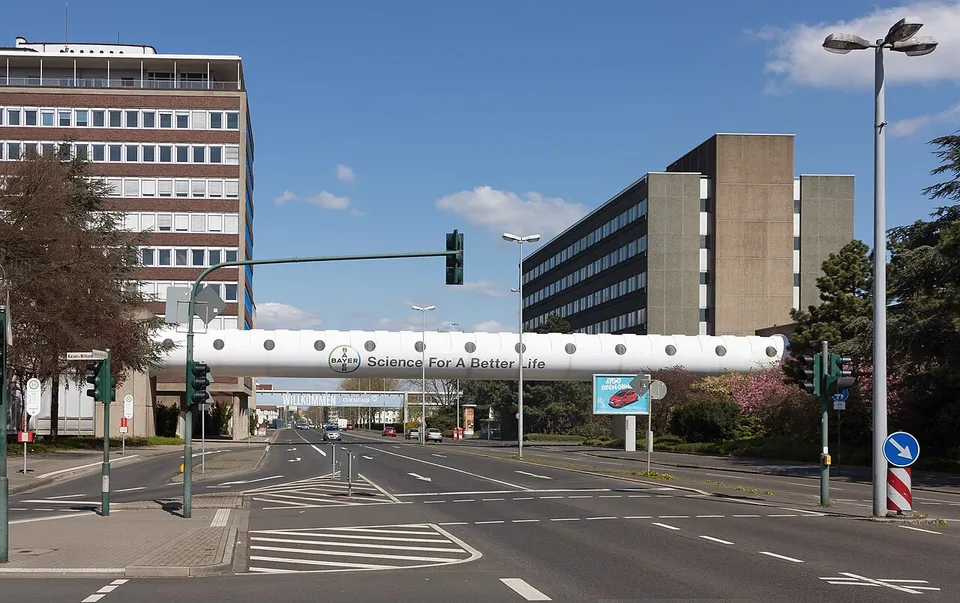
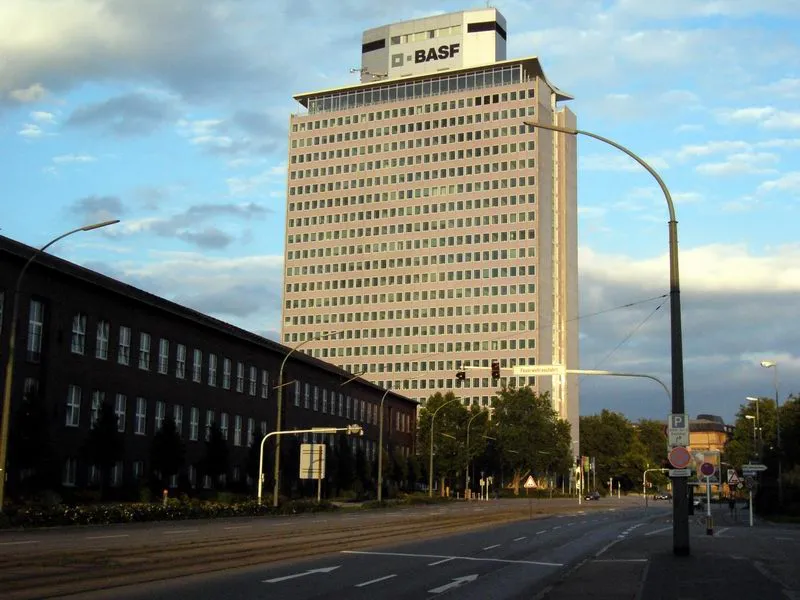
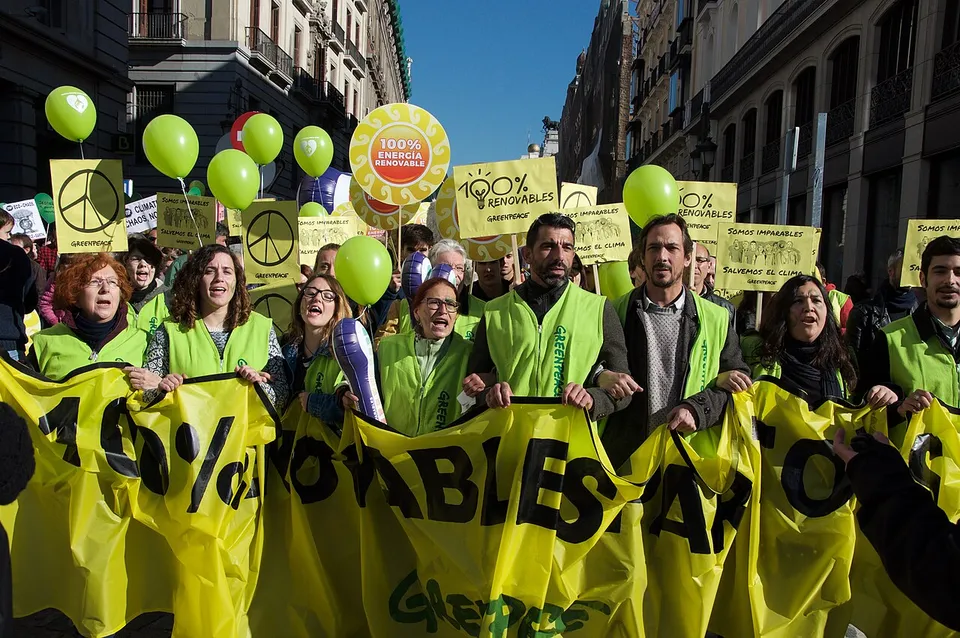
File pictures of subjects named in the article, not pictures of the events reported.
Related reading
Saudi oil attacks widen regional conflict as Lebanon reports 12 killed in Israeli strikes
Houthi attacks set Saudi energy facilities ablaze and wounded 73 people on 8 September, according to Saudi authorities cited by Reuters and NOS. The escalation followed Israeli strikes that killed at least 12 people in southern Lebanon, according to its health ministry, putting renewed pressure on European efforts to support Lebanese stability.
What do investigators know about the Miami cargo crash that killed five workers?
Lawyers for a worker killed in Miami’s cargo-plane crash have filed a wrongful-death lawsuit, AP reported on 9 September. Five people died when the aircraft struck their van on 6 September. Investigators are examining the landing sequence; no cause has been established.
Sources and factual attribution (1)
- Des pesticides 'made in Europe' cités dans 1605 intoxications au Brésil: nombre d'entre eux sont interdits chez nous - RTBF Actus — RTBF
Dated report by RTBF used for the facts attributed to it.
Source publication date: . Consulted: .
Supports
Public Eye and Unearthed / Greenpeace, using Brazilian health ministry data on acute poisonings by agricultural products, report more than 6700 cases last year, about 4 in 10 of which name a pesticide, giving 2857 product names, more than half of them from big European agrochemical companies.
RTBF: Des pesticides 'made in Europe' cités dans 1605 intoxications au Brésil: nombre d'entre eux sont interdits chez nous - RTBF ActusLaurent Gaberell of Public Eye says Bayer's Roundup, a glyphosate-based product authorised in the EU, is the product most often involved, and that about 300 cases involve pesticides banned in the EU but made there for export, such as BASF's Dormex and Syngenta's Reglone.
RTBF: Des pesticides 'made in Europe' cités dans 1605 intoxications au Brésil: nombre d'entre eux sont interdits chez nous - RTBF ActusExcept in Belgium and France, it remains legal in the EU to export pesticides banned there, and Public Eye and Unearthed want other states, and ideally the EU as a whole, to follow the Belgian and French example.
RTBF: Des pesticides 'made in Europe' cités dans 1605 intoxications au Brésil: nombre d'entre eux sont interdits chez nous - RTBF ActusBayer, Syngenta and BASF told RTBF they take health concerns seriously but question the reliability of the Brazilian data, and BASF suggested some incidents may have involved intentional ingestion.
RTBF: Des pesticides 'made in Europe' cités dans 1605 intoxications au Brésil: nombre d'entre eux sont interdits chez nous - RTBF ActusLaurent Gaberell says the figures cover only reported acute poisonings and calls for binding laws, pointing to a European directive adopted last year requiring companies to assess their impact on human rights and the environment.
RTBF: Des pesticides 'made in Europe' cités dans 1605 intoxications au Brésil: nombre d'entre eux sont interdits chez nous - RTBF Actus
How this article was prepared
Revisions and corrections
No corrections recorded.
- First version · 1 —
First publication.