
 What's On
 Expat
ECB SPEECH · Reporting
ECB vice-president Vujčić says openness can make Europe more resilient to shocks
Drawing on the experience of central and eastern Europe, Boris Vujčić argued that integration, credible institutions and fiscal buffers help economies withstand crises.
Published: · Content updated:
Based on: www.ecb.europa.eu
Automated summary1 sourceWritten with AI from the dated public sources listed below and published after automated checks.How this was made

Saved articles and followed stories stay in this browser. No account sync or notifications.
In 30 seconds
ECB Vice-President Boris Vujčić argued that central and eastern Europe shows openness and resilience can coexist, drawing monetary, fiscal and financial lessons for the whole of Europe.
- According to Vujčić, incomes in central and eastern Europe have more than doubled since the mid-1990s, driven by EU accession, the Single Market and foreign direct investment.
- The inflation shock that began in 2021 hit the region particularly hard, he said, because food and energy weigh more heavily in household budgets and many economies are energy-intensive.
- Vujčić warned that budget deficits have risen across much of the region, citing social and investment spending, public wage bills, interest costs and, increasingly, defence spending.
- He said banks in the region are generally well capitalised, with non-performing loans close to historical lows, but called for vigilance over rapid credit growth and house price increases.
Sources: www.ecb.europa.eu
What it means
What’s at stake
According to Vujčić, different groups have different things at stake. Households in central and eastern Europe are more exposed to price shocks because food and energy weigh more heavily in their consumption baskets. Governments risk losing fiscal space and facing abrupt increases in sovereign financing costs if market sentiment shifts, especially in non-euro economies with foreign-currency exposures. Firms rely heavily on banks, which limits their funding options, while geopolitical tensions and energy prices could weigh on their profitability and, gradually, on bank asset quality.
Sources: www.ecb.europa.eu
Context
Background
According to Vujčić, the countries of central and eastern Europe have converged strongly with advanced European economies, with incomes more than doubling since the mid-1990s. He attributes this to EU accession and deeper integration into the Single Market: participation in European and global value chains supported productivity, while foreign direct investment sped up capital accumulation and technology transfer. The same openness, he said, exposed the region to repeated shocks within a few years: a pandemic, Russia's war against Ukraine, an unprecedented energy shock, supply-chain disruption and, more recently, trade tensions and conflict in the Middle East. Croatia, which he cited as an example of a heavily euroised economy, joined the euro area in January 2023.
Sources: www.ecb.europa.eu · Wikipedia: European Central Bank (Background reference)
The wider picture
The European Central Bank is the central component of the Eurosystem, and its Governing Council makes monetary policy for the euro area. When the ECB was created it covered eleven members; countries from the region have since joined, including Slovenia in January 2007, Slovakia in January 2009, the Baltic states between 2011 and 2015, Croatia in January 2023 and Bulgaria in January 2026. Vujčić argued that the heavily bank-based financial systems and shallow capital markets of central and eastern Europe are not only a regional issue but a European challenge, and that integrated markets allow losses and financing to be shared across borders.
Sources: www.ecb.europa.eu · Wikipedia: European Central Bank (Background reference)
Why now
Vujčić delivered the speech at the Conference on European Economic Integration (CEEI) 2026, and the ECB published the text on 24 November 2026. He used it to frame resilience around four dimensions: monetary, fiscal, financial and structural. He took up the post of ECB Vice-President in June 2026, after serving as Governor of the Croatian National Bank.
Sources: www.ecb.europa.eu · Wikipedia: Boris Vujčić (Background reference)
How we got here
An inflation shock begins that Vujčić calls an extraordinary test for central banks.
The ECB publishes Vujčić's speech on resilience at the CEEI 2026 conference.
Sources: www.ecb.europa.eu
Reporting
A speech on resilience
Boris Vujčić, Vice-President of the European Central Bank (ECB), argued in a speech at the Conference on European Economic Integration (CEEI) 2026 that the economies of central and eastern Europe show openness and resilience can go together. According to the text published by the ECB on 24 November 2026, he said integration can itself make economies sturdier by spreading their exposure across more markets, suppliers and sources of finance. He then set out what he sees as the monetary, fiscal, financial and structural dimensions of resilience.
Reporting
Convergence and a run of crises
Vujčić described the region's catch-up as one of Europe's most remarkable economic achievements. In his account, incomes in central and eastern Europe have more than doubled since the mid-1990s, with EU accession, deeper integration into the Single Market, value chains and foreign direct investment among the main drivers. Yet he said the same openness left the region exposed to repeated shocks: the pandemic, Russia's war against Ukraine, which he called unjustified, an unprecedented energy shock, supply-chain disruption and, more recently, trade tensions and conflict in the Middle East. Resilience, he said, is not about avoiding shocks or seeking self-sufficiency, but about having the buffers, institutions and flexibility to absorb them, recover and adapt.
Key line
According to Vujčić, incomes in central and eastern Europe have more than doubled since the mid-1990s, driven by EU accession, Single Market integration, value chains and foreign direct investment.
Reporting
Credibility and the euro
On monetary policy, Vujčić said the inflation surge that began in 2021 hit the region particularly hard, because food and energy take a larger share of household budgets there and many of its economies are energy-intensive. He argued that central banks must earn credibility by acting when circumstances demand it, even when decisions are difficult. He presented euro area membership as removing exchange-rate risk with a country's main partners, citing Croatia, whose economy was already heavily euroised before it adopted the single currency. He stressed, however, that the euro does not fully insulate any country from shocks.
Reporting
Buffers built in good times
Turning to public finances, the ECB vice-president said many economies in the region still benefit from comparatively low public debt, but warned that budget deficits have risen. He linked this to higher social and investment spending, growing public wage bills, rising interest costs and, increasingly, defence spending. His message was that fiscal buffers have to be built before they are needed, and that euro membership is no substitute for sound budget policies.
Analysis
A challenge beyond the region
Vujčić said banks in central and eastern Europe are generally well capitalised and profitable, but called for vigilance over rapid credit growth and strong house price increases. He backed simpler banking rules, provided they do not mean weaker safeguards. Most significantly for readers elsewhere in the euro area, including Belgium, he described heavily bank-based financial systems and shallow capital markets as a European challenge rather than a regional one, arguing that integrated markets let losses and financing be shared across borders.
Reporting
What is not yet known
The version of the text available to Belgium Pulse breaks off during the section on financial integration, so the rest of his argument, including the structural dimension he announced, is not covered here. The speech set out views rather than any policy decision.
Understanding the story
What the main actors are doing
Reported positions, summarised — not direct quotations
Boris Vujčić
The ECB Vice-President argues that integration can be a source of resilience, resting on credible central banks, fiscal buffers built in good times, well-capitalised banks and integrated capital markets. He supports simpler financial regulation, but not weaker safeguards or lower capital requirements.
Sources: www.ecb.europa.eu
European Central Bank
The euro area's central bank, whose purpose is maintaining price stability, published the speech. Vujčić argued that price stability is itself a source of resilience, since anchored inflation expectations make it less likely that a supply shock turns into persistent inflation.
Sources: www.ecb.europa.eu · Wikipedia: European Central Bank (Background reference)
Key terms
- Euroisation
- Describes an economy in which a large share of private and public liabilities is denominated in euro before the country adopts the currency. Vujčić cites Croatia, saying euro adoption removed an important source of foreign currency risk there.
- Central and Eastern Europe (CEE)
- A geopolitical term covering the Baltics, the Visegrád Group, Eastern Europe and the Balkans, usually meaning former communist states of the Eastern Bloc and Warsaw Pact and of former Yugoslavia.
Sources: www.ecb.europa.eu · Wikipedia: Central and Eastern Europe (Background reference)
People, places and institutions
- Boris VujčićECB Vice-President and former Governor of the Croatian National Bank who gave the speech on resilience.
- European Central BankCentral bank of the euro area, which published the speech.
- CroatiaCited by Vujčić as a heavily euroised economy for which joining the euro removed foreign currency risk.
- Conference on European Economic Integration (CEEI) 2026Conference at which Vujčić delivered the speech.
- Croatian National BankCentral bank that Vujčić led as Governor before joining the ECB.
Sources: www.ecb.europa.eu · Wikipedia: Boris Vujčić (Background reference) · Wikipedia: European Central Bank (Background reference)
Some background items were left out because automated checks could not verify them against the sources.
People, places and organisations in this story
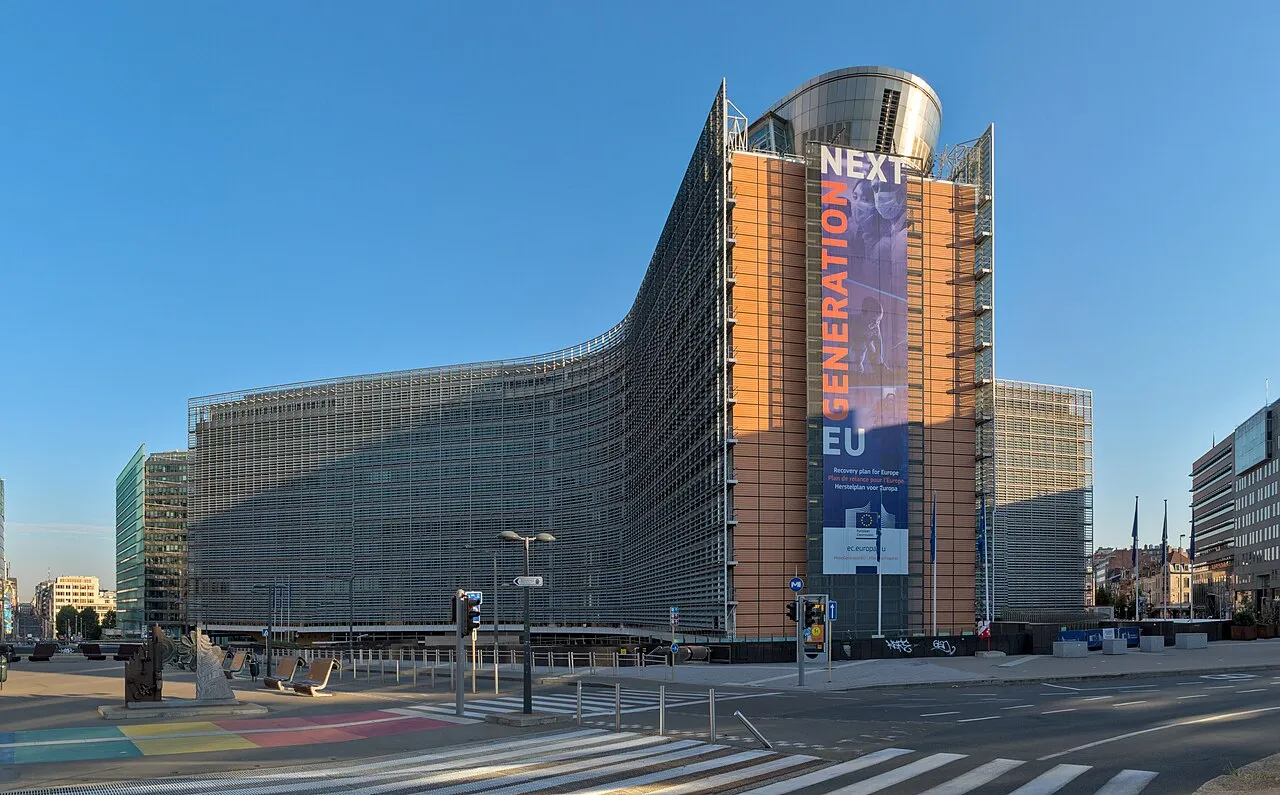
File pictures of subjects named in the article, not pictures of the events reported.

Sources and factual attribution (1)
- Resilience in an age of shocks: lessons from central and eastern Europe — www.ecb.europa.eu
Dated report by www.ecb.europa.eu used for the facts attributed to it.
Source publication date: . Consulted: .
Supports
Boris Vujčić, Vice-President of the ECB, said at the CEEI 2026 conference that the experience of central and eastern Europe shows openness and resilience are not opposites, and set out monetary, fiscal, financial and structural dimensions of resilience.
www.ecb.europa.eu: Resilience in an age of shocks: lessons from central and eastern EuropeAccording to Vujčić, incomes in central and eastern Europe have more than doubled since the mid-1990s, driven by EU accession, Single Market integration, value chains and foreign direct investment.
www.ecb.europa.eu: Resilience in an age of shocks: lessons from central and eastern EuropeVujčić said the same openness exposed the region to repeated shocks, including the pandemic, Russia's war against Ukraine, an energy shock, supply-chain disruptions, trade tensions and conflict in the Middle East.
www.ecb.europa.eu: Resilience in an age of shocks: lessons from central and eastern EuropeVujčić said the inflation shock that began in 2021 weighed heavily on the region, that credible central banks help contain such risks, and that euro area membership removes exchange-rate risk, citing the example of Croatia.
www.ecb.europa.eu: Resilience in an age of shocks: lessons from central and eastern EuropeVujčić said many CEE economies still have comparatively low public debt but budget deficits have risen, partly because of higher social, investment, interest and defence spending, and that buffers must be built in good times.
www.ecb.europa.eu: Resilience in an age of shocks: lessons from central and eastern EuropeVujčić said banks in the region are generally well capitalised, called for vigilance on rapid credit growth and house prices, argued for simpler regulation rather than weaker safeguards, and described shallow capital markets as a European challenge.
www.ecb.europa.eu: Resilience in an age of shocks: lessons from central and eastern Europe
How this article was prepared
Revisions and corrections
No corrections recorded.
- First version · 1 —
First publication.