
 What's On
 Expat
US IT OUTAGES · Reporting
Belgian experts urge caution over string of US IT outages
A wave of computer failures in the United States has fuelled fears of a coordinated cyberattack. Two Belgian specialists told La Libre Belgique the evidence does not support that conclusion.
Published: · Content updated:
Based on: La Libre Belgique
Saved articles and followed stories stay in this browser. No account sync or notifications.
In 30 seconds
A rapid series of US computer failures in November fuelled fears of a coordinated cyberattack, but Belgian experts quoted by La Libre Belgique say simultaneous outages need not share a cause.
- The wave began with a major outage of Microsoft's Outlook email service on 12 November; the following day a technical problem grounded every aircraft in the United States.
- The US authorities and the companies involved deny any cyberattack; Director of National Intelligence Jay Clayton blamed separate outages linked to maintenance and technical changes.
- The stated causes differ: new servers at Microsoft, replacement of old copper cables at the federal aviation authority and an internal update at Apple.
- Investigators link incidents through shared technical traces such as IP addresses, servers, malicious code or intrusion methods, not through closeness in time, according to Serge Houtain.
Sources: La Libre Belgique
What it means
What’s at stake
Jean-Michel Dricot notes that these failures touched the 'real world', aircraft and bank payments, rather than the incidents that usually go unnoticed. Serge Houtain warns that cloud services, security software and telecoms rest on few providers, so an incident at one can spread to all its customers and sometimes to their customers, for example a bank depending on a payment provider that itself depends on a host. In the experts' reading, what is at stake is less a hidden attacker than the exposure of essential services to shared weak points.
Sources: La Libre Belgique
Context
Background
According to La Libre Belgique, the sequence started on 12 November with a major Outlook outage at Microsoft. The next day a technical problem grounded all aircraft in the United States, causing turmoil the paper calls unprecedented since 11 September 2001. On 16 November a computer failure forced United Airlines to suspend flights for safety reasons, and a software problem disrupted several American banks, including JP Morgan Chase. On 17 November Apple Pay and iCloud were paralysed, and an internal network used by the NSA was declared unavailable for a few hours. The Trump administration, like the companies and agencies concerned, quickly denied any cyberattack, yet the spectre of a coordinated attack spread fear across the United States.
Sources: La Libre Belgique
The wider picture
The experts place the outages within broader trends. Jean-Michel Dricot says IT infrastructure has become so complex that nobody masters the whole system, so one faulty component can bring everything down in cascade, and that the internet is reaching the end of a cycle in which ageing systems must be updated, with routine maintenance sometimes failing. The specialists also agree that artificial intelligence is upending cybersecurity: Serge Houtain says it lowers the skill, time and money needed to mount an attack, while Giannino Cuignet expects it to become indispensable for strengthening defences.
Sources: La Libre Belgique
Why now
Within a few days in mid-November, failures hit aviation, banking, consumer technology and an intelligence agency, creating what La Libre Belgique describes as a wind of panic in the United States. After Secretary of State Marco Rubio and intelligence chief Jay Clayton publicly ruled out a coordinated attack, the paper asked three specialists how to explain the repeated incidents.
Sources: La Libre Belgique
How we got here
Microsoft's Outlook email service suffers a major outage.
A computer failure forces United Airlines to suspend flights; a software problem disrupts several US banks, including JP Morgan Chase.
Apple Pay and iCloud are paralysed, and an internal NSA network is declared unavailable for a few hours.
Sources: La Libre Belgique
Reporting
Experts weigh in
Two Belgian cybersecurity specialists, Serge Houtain and Jean-Michel Dricot, have cautioned against reading a coordinated cyberattack into a series of computer failures that struck the United States in November, beginning with a major outage of Microsoft's Outlook email service on 12 November. Speaking to La Libre Belgique, Houtain, a former cybercrime investigator with the federal police, said that breakdowns occurring at the same time do not necessarily share a cause, while Dricot, who teaches network security at the ULB, argued that heightened public attention was making ordinary incidents look connected.
Reporting
A week of failures
According to La Libre Belgique, the day after the Outlook failure a technical problem grounded every aircraft in the country. On 16 November United Airlines suffered a computer failure that forced it to halt flights for safety reasons, and on the same day a software fault disrupted services at several American banks, among them JP Morgan Chase, described by the paper as the largest bank in the country. On 17 November Apple Pay and iCloud went down, and an internal network used by the NSA was declared unavailable for several hours.
Key line
On 16 November a computer failure forced United Airlines to suspend flights, and a software problem disrupted several US banks, including JP Morgan Chase.
Reporting
Washington denies a link
The Trump administration and the companies concerned rejected any suggestion of a cyberattack, La Libre Belgique reported. Secretary of State Marco Rubio said the events were unrelated, and Director of National Intelligence Jay Clayton described them as distinct service outages tied to maintenance work and technical changes rather than an attack coordinated or sponsored by a state. The explanations offered vary: new servers being installed at Microsoft, old copper cables being replaced at the federal aviation authority and an internal update at Apple.
Analysis
Shared weak points
Houtain told the paper that companies in very different sectors can still rely on the same building blocks, such as cloud services, security software and telecoms, supplied by a small number of firms. A fault at one provider can ripple through its customers and their customers in turn, which he called a single point of failure. Investigators, he added, look for common technical traces rather than closeness in time. Dricot spoke of a confirmation bias and warned that systems have grown so complex and ageing that nobody fully controls them any more.
Analysis
The role of AI
The experts quoted by La Libre Belgique agreed that artificial intelligence is reshaping cybersecurity. Ethical hacker Giannino Cuignet said a penetration test he carried out with the help of Claude in about two hours uncovered around sixty flaws, compared with roughly ten found by an experienced hacker over some six weeks. He argued the same tools will become indispensable for defenders, while Houtain said AI lowers the skill, time and money needed to mount an attack.
Understanding the story
What the main actors are doing
Reported positions, summarised — not direct quotations
Serge Houtain
A former cybercrime investigator with the federal police and cybersecurity trainer, he says no judgement on a coordinated attack is possible without access to investigation data, and stresses that firms in different sectors share dependencies on a few providers.
Sources: La Libre Belgique
Jean-Michel Dricot
A professor of network cybersecurity at the ULB, he attributes the sense of a connected wave partly to a confirmation bias driven by greater public interest, and points to increasingly complex and ageing infrastructure.
Sources: La Libre Belgique
Giannino Cuignet
An ethical hacker, he describes how AI sharply accelerates the discovery of security flaws, citing a test he ran with Claude, and argues AI will become indispensable for defenders analysing large amounts of code.
Sources: La Libre Belgique
Jay Clayton
The US Director of National Intelligence says the incidents are distinct service outages linked to maintenance operations and technical changes, not the result of an attack coordinated or sponsored by a state.
Sources: La Libre Belgique
Voices & reactions
Marco Rubio
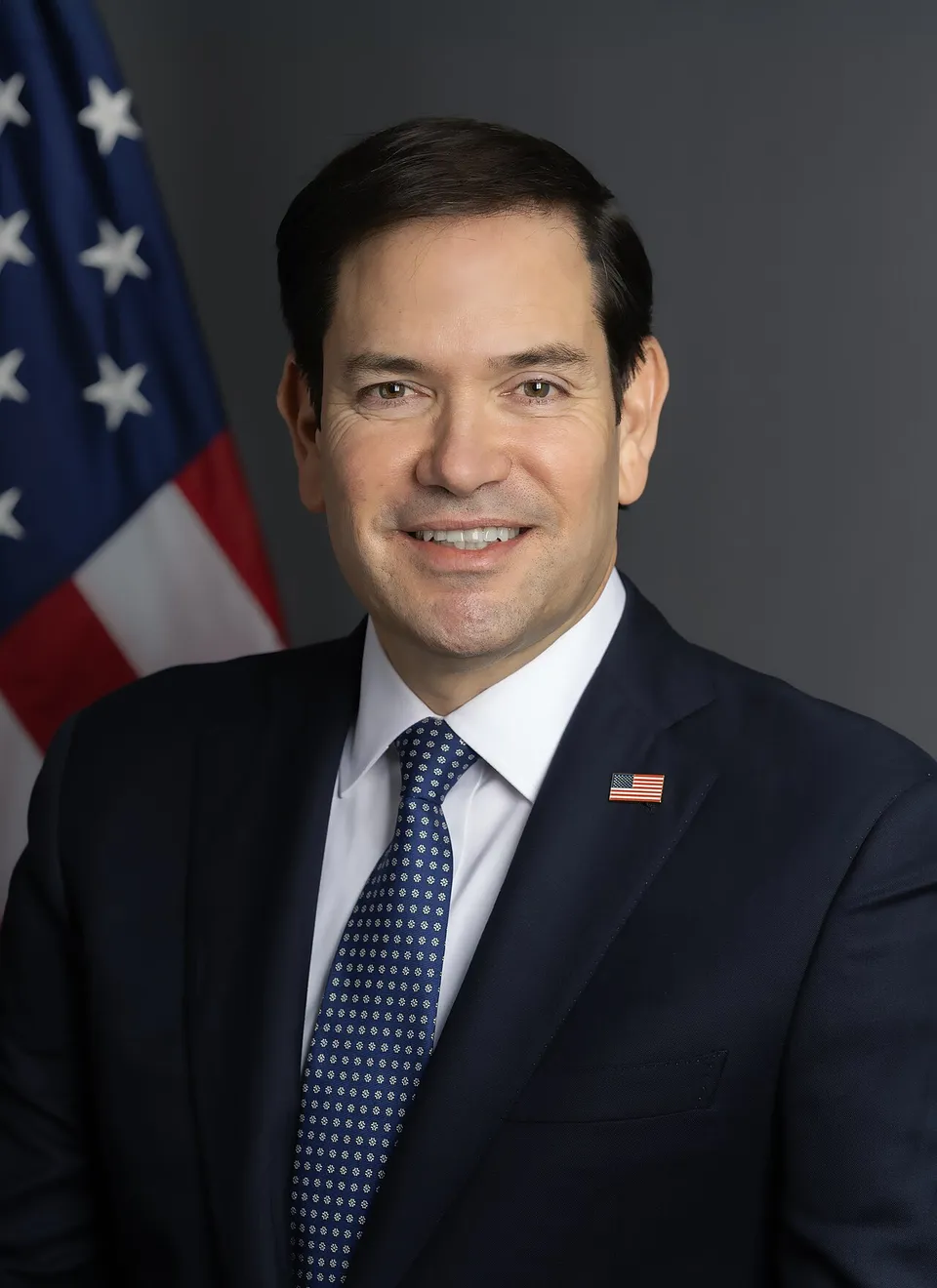
The US Secretary of State said the country was not the victim of a systemic attack and that the events had nothing to do with one another.
Sources: La Libre Belgique
Markwayne Mullin
The US Homeland Security minister, quoted by La Libre Belgique about the nationwide grounding of flights, said it was not a new 11 September.
Sources: La Libre Belgique
Key terms
- Single point of failure
- A situation where many organisations rely on the same provider, so an incident there spreads to all its customers and their customers, as Serge Houtain explains.
- Confirmation bias
- The tendency, cited by Jean-Michel Dricot, to see any problem as significant or linked to a cyberattack once attention is heightened, so unrelated incidents seem connected.
- Ethical hacker
- A cybersecurity expert who legally infiltrates computer systems to uncover flaws before malicious hackers do.
Sources: La Libre Belgique
People, places and institutions
- JP Morgan ChaseThe largest bank in the United States; its services were among those disrupted by a software problem on 16 November.
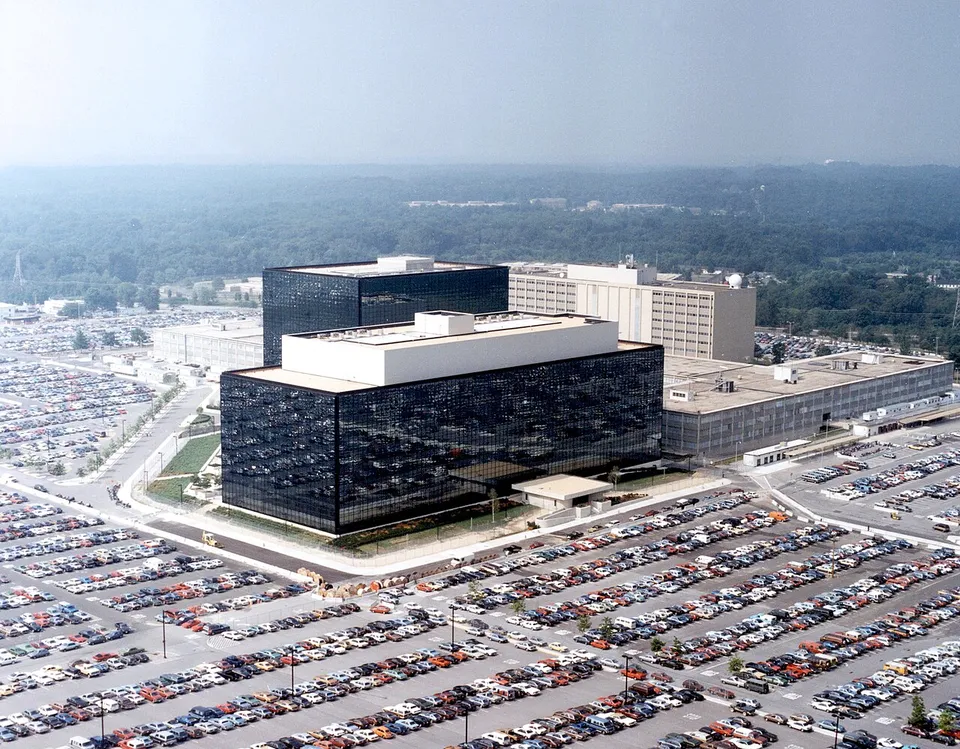
- NSAUS intelligence agency specialising in signals intelligence and tasked with protecting US communications networks; one of its internal networks was unavailable for a few hours on 17 November.
- Marco RubioUS Secretary of State since 2025; he publicly denied that the country was facing a systemic attack.
- United AirlinesUS airline that suspended flights for safety reasons after a computer failure on 16 November.
Sources: La Libre Belgique · Wikipedia: JPMorgan Chase (Background reference) · Wikipedia: National Security Agency (Background reference) · Wikipedia: Marco Rubio (Background reference)
Some background items were left out because automated checks could not verify them against the sources.
Video report
People, places and organisations in this story
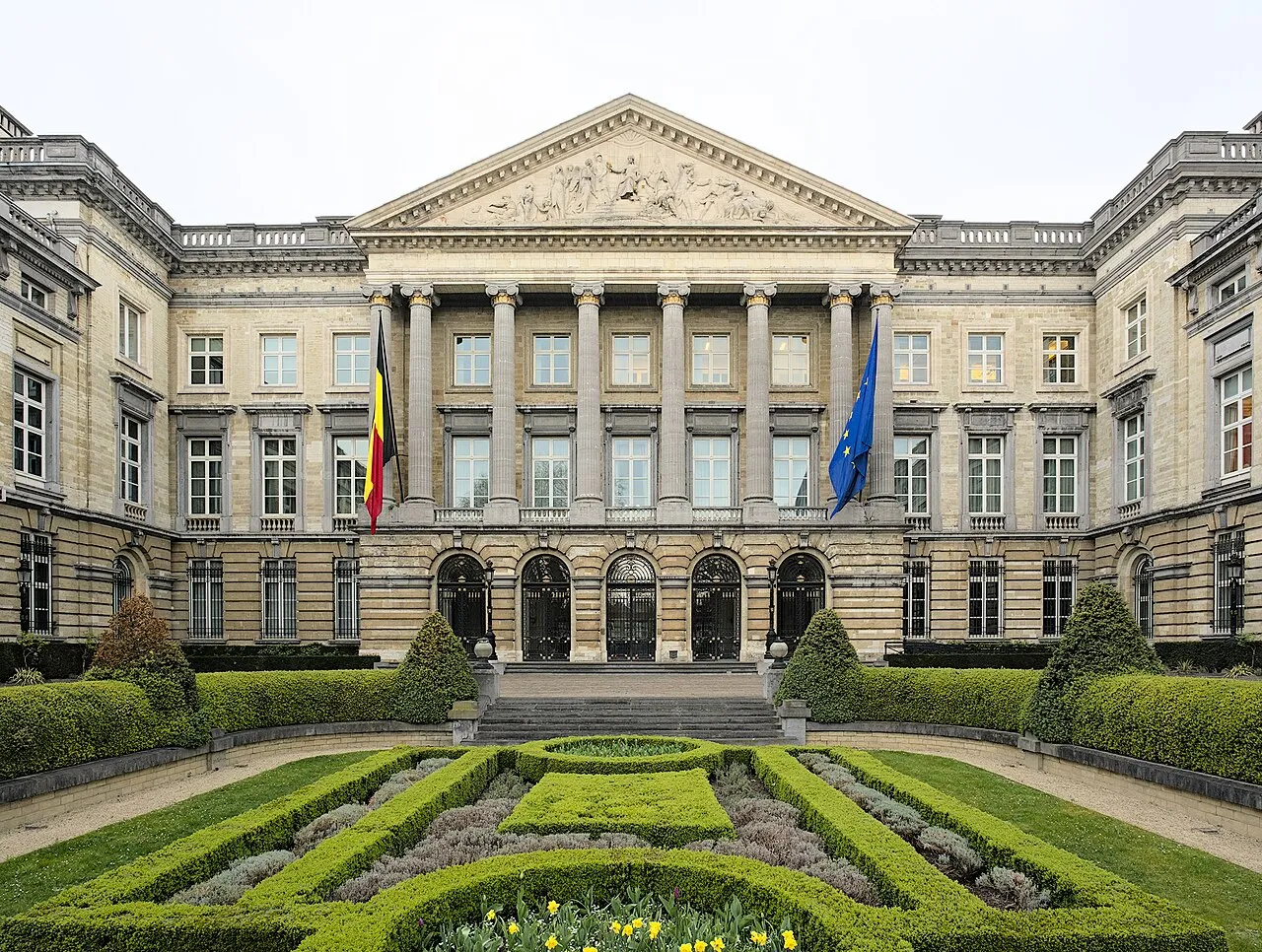
File pictures of subjects named in the article, not pictures of the events reported.
Sources and factual attribution (1)
- Microsoft, Apple, banques… Comment expliquer tous ces "incidents" informatiques aux États-Unis ? "Plus personne ne maîtrise l'entièreté du système" — La Libre Belgique
Dated report by La Libre Belgique used for the facts attributed to it.
Source publication date: . Consulted: .
Supports
Microsoft's Outlook email service suffered a major outage on 12 November, and the next day a technical problem grounded every aircraft in the United States.
La Libre Belgique: Microsoft, Apple, banques… Comment expliquer tous ces "incidents" informatiques aux États-Unis ? "Plus personne ne maîtrise l'entièreté du système"On 16 November a computer failure forced United Airlines to suspend flights, and a software problem disrupted several US banks, including JP Morgan Chase.
La Libre Belgique: Microsoft, Apple, banques… Comment expliquer tous ces "incidents" informatiques aux États-Unis ? "Plus personne ne maîtrise l'entièreté du système"On 17 November Apple Pay and iCloud were paralysed, and an internal network used by the NSA was unavailable for several hours.
La Libre Belgique: Microsoft, Apple, banques… Comment expliquer tous ces "incidents" informatiques aux États-Unis ? "Plus personne ne maîtrise l'entièreté du système"Secretary of State Marco Rubio and Director of National Intelligence Jay Clayton denied any coordinated attack, describing separate outages linked to maintenance and technical changes.
La Libre Belgique: Microsoft, Apple, banques… Comment expliquer tous ces "incidents" informatiques aux États-Unis ? "Plus personne ne maîtrise l'entièreté du système"The causes given range from new servers at Microsoft and the replacement of old copper cables at the federal aviation authority to an internal update at Apple.
La Libre Belgique: Microsoft, Apple, banques… Comment expliquer tous ces "incidents" informatiques aux États-Unis ? "Plus personne ne maîtrise l'entièreté du système"Jean-Michel Dricot, a network cybersecurity professor at the ULB, spoke of a confirmation bias and pointed to increasingly complex and ageing IT infrastructure.
La Libre Belgique: Microsoft, Apple, banques… Comment expliquer tous ces "incidents" informatiques aux États-Unis ? "Plus personne ne maîtrise l'entièreté du système"Ethical hacker Giannino Cuignet said a test he ran with Claude in about two hours found around sixty flaws, against roughly ten found by an experienced hacker in about six weeks.
La Libre Belgique: Microsoft, Apple, banques… Comment expliquer tous ces "incidents" informatiques aux États-Unis ? "Plus personne ne maîtrise l'entièreté du système"
How this article was prepared
Revisions and corrections
No corrections recorded.
- First version · 1 —
First publication.