
CLIMATE RISK · Reporting
Belgian climate risk centre to study how disasters abroad could hit Belgium
Federal minister Jean-Luc Crucke says Belgium's exposure to climate change does not stop at its borders. The report is expected within about a year.
Published: · Content updated:
Based on: VRT NWS
Saved articles and followed stories stay in this browser. No account sync or notifications.
In 30 seconds
- Cerac director Luc Bas announced the study in Antalya, Turkey, on the sidelines of COP31.
- The study is expected to be completed within about a year, with publication before the next COP at the end of 2027 in Ethiopia.
- Minister Jean-Luc Crucke cited last summer's European drought, which lowered the Rhine, disrupted inland shipping and indirectly affected the port of Antwerp.
- According to VRT NWS, some nuclear power stations also had to be shut down during that drought, raising energy security concerns.
Sources: VRT NWS
What it means
What happens next
Cerac expects to complete the study within about a year, and the report is to be published before the next COP, scheduled for the end of 2027 in Ethiopia. Its scope could extend to scenarios such as the warm ocean current from the Gulf of Mexico stopping. The reporting does not specify the budget, methodology or partners.
Sources: VRT NWS
Context
Background
Cerac, Belgium's centre for the analysis of climate change risks, was founded in April 2024. The new study builds on a concrete experience cited by the federal climate minister: last summer's drought in Europe pushed several rivers, including the Rhine, to very low levels. That hampered inland shipping and had knock-on effects for the port of Antwerp, while some nuclear power stations had to be shut down. For the minister, such episodes show that Belgium's exposure to climate change does not stop at its borders.
Sources: VRT NWS
The wider picture
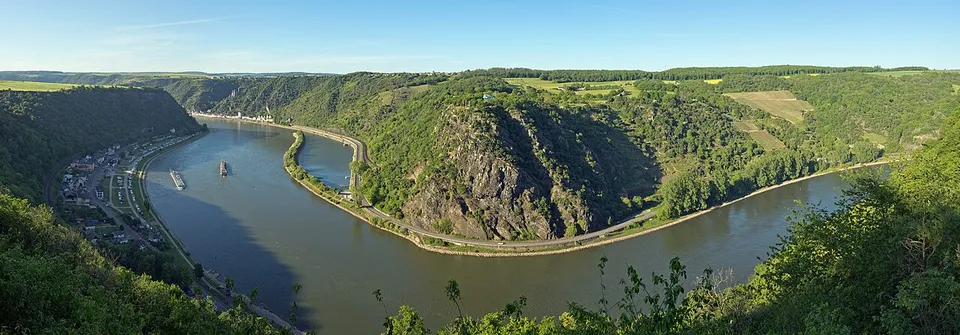
The minister argues that Belgium, as a small and very open country, is especially sensitive to external shocks. Droughts far away can affect food production and prices in Europe, and extreme rainfall or tropical cyclones can hit critical infrastructure and trade routes. The Rhine illustrates the vulnerability: according to the International Commission for the Hydrology of the Rhine Basin, cited in an encyclopaedic reference, the river could see a massive decrease in volume, or even dry up in a drought, within the next 30 to 80 years.
Sources: VRT NWS · Wikipedia: Rhine (Background reference)
Why now
The study was announced at the COP31 climate summit in Antalya, Turkey, where Cerac director Luc Bas and federal minister Jean-Luc Crucke used the international stage to argue that climate change should be treated as an international security issue.
Sources: VRT NWS
How we got here
Cerac, the centre for the analysis of climate change risks, is founded.
Next COP climate conference, scheduled for the end of the year in Ethiopia; the Cerac report is to be published before it.
Sources: VRT NWS
Reporting
Study announced at COP31
Belgium's climate risk analysis centre, Cerac, is to launch a study into how extreme weather events occurring outside the country could put Belgium at risk. Its director, Luc Bas, announced the project on Wednesday in Antalya, Turkey, on the sidelines of the COP31 climate summit, VRT NWS reported. Federal climate minister Jean-Luc Crucke spoke in support of the initiative. According to the broadcaster, the centre, which was set up in April 2024, expects to complete the work within roughly a year, and the report is due to be published before the next COP, scheduled for the end of 2027 in Ethiopia.
Reporting
A drought with distant effects
Jean-Luc Crucke, the federal minister for climate and environmental transition, argued that in an interconnected world Belgium's exposure to climate change does not end at its borders, VRT NWS reported. He pointed to last summer's drought in Europe, which pushed several European rivers, including the Rhine, to very low levels. That disrupted inland shipping and, indirectly, had consequences for the port of Antwerp, the minister said. He added that some nuclear power stations also had to be shut down, with the risks this can carry for energy security.
Key line
The Cerac study is expected to be completed within a year, and the report is due before the next COP, scheduled for the end of 2027 in Ethiopia.
Reporting
A small, open economy
According to the minister, the study is all the more relevant because Belgium is a small country that is very open to the outside world, which makes it particularly sensitive to external shocks. Crucke said a drought thousands of kilometres away can affect food production and prices in Europe, while extreme rainfall or tropical cyclones can damage critical infrastructure and important trade routes. His reasoning, as reported by VRT NWS, presents extreme weather abroad as something that can reach Belgium through trade, energy and food prices.
Reporting
Supply chains and migration
Luc Bas said he was thinking in particular of the country's supply chains, noting that the Belgian economy depends heavily on international trade, as well as of migration flows, VRT NWS reported. The scope of the analysis could, however, be much broader. One question the centre wants to explore is what would happen if the warm ocean current originating in the Gulf of Mexico were to stop because of global warming. Cerac aims to answer questions of this kind and to identify potential risks, according to the broadcaster.
Reporting
Security on the agenda
The Cerac report is expected within about a year and should be published ahead of the 2027 climate conference in Ethiopia. Beyond the study itself, both Luc Bas and Jean-Luc Crucke argue that climate change should be treated as a matter of international security, VRT NWS reported. The available reporting does not specify the study's budget, its methodology or which partners will be involved.
Understanding the story
What the main actors are doing
Reported positions, summarised — not direct quotations
Luc Bas
Cerac's director announced the study and wants it to cover supply chains, migration flows and broader scenarios such as a halt of the warm Gulf of Mexico ocean current; he argues climate change is an international security issue.
Sources: VRT NWS
Jean-Luc Crucke
The federal minister for climate and environmental transition backs the study, stressing that Belgium, as a small open country, is sensitive to external shocks, and wants climate change treated as an international security issue.
Sources: VRT NWS
Key terms
- Cerac
- Belgium's centre for the analysis of climate change risks, founded in April 2024, which seeks to identify potential risks linked to climate change.
Sources: VRT NWS
People, places and institutions
- CeracBelgian climate risk centre launching the study on foreign climate events.
- Luc BasDirector of Cerac who announced the study.
- Jean-Luc CruckeFederal climate minister from Les Engagés, supporting the study.
- AntalyaTurkish city hosting COP31, where the study was announced.
- RhineMajor European river and navigable waterway whose low levels during last summer's drought disrupted shipping.
- Port of Antwerp-BrugesPort authority managing the ports of Antwerp and Zeebrugge; the port of Antwerp was indirectly affected by the drought.
Sources: VRT NWS · Wikipedia: Jean-Luc Crucke (Background reference) · Wikipedia: Antalya (Background reference) · Wikipedia: Rhine (Background reference) · Wikipedia: Port of Antwerp-Bruges (Background reference)
Some background items were left out because automated checks could not verify them against the sources.
Video report
People, places and organisations in this story
File pictures of subjects named in the article, not pictures of the events reported.
Related reading
What did the High Fens fire reveal about Belgium’s readiness for a hotter climate?
The High Fens wildfire is now under control and all evacuations have been lifted, but the disaster has opened a political argument over prevention, coordination and Georges-Louis Bouchez’s demand to punish anyone responsible for starting fires.
Why is Flemish Climate Minister Melissa Depraetere returning to the UN climate summit?
Flemish Climate Minister Melissa Depraetere will attend COP31 in Antalya in November, placing Flanders back inside Belgium’s ministerial representation as governments prepare their negotiating positions.
Can Bouchez’s focus on fire-starters answer Belgium’s climate challenge?
MR president Georges-Louis Bouchez blamed deliberate or negligent human behaviour for the High Fens fire and demanded exemplary punishment, opening a coalition dispute over whether Belgium is treating an unprecedented natural disaster chiefly as a criminal act or as a climate-amplified security risk.
Is the High Fens fire over now that evacuees are home?
Fire crews tackled several local flare-ups in the High Fens overnight into 24 August, although the wildfire is contained and every Belgian and German resident evacuated during the emergency has been allowed home. Roads and nature areas remain closed because peat can keep smouldering below ground.
Can Crucke turn Belgium’s climate warnings into coordinated action?
Federal Climate Minister Jean-Luc Crucke has called for every Belgian minister to examine what they can do within their own powers as Flanders remains under code orange for drought and the country assesses a destructive fire in the High Fens.
Sources and factual attribution (1)
- Le Cerac va identifier l'impact sur la Belgique de catastrophes climatiques à l'étranger | VRT NWS: le site d'information de référence — VRT NWS
Dated report by VRT NWS used for the facts attributed to it.
Source publication date: . Consulted: .
Supports
Cerac, founded in April 2024, will launch a study on the risks that extreme climate events abroad pose to Belgium, its director Luc Bas announced on Wednesday in Antalya on the sidelines of COP31.
VRT NWS: Le Cerac va identifier l'impact sur la Belgique de catastrophes climatiques à l'étranger | VRT NWS: le site d'information de référenceThe Cerac study is expected to be completed within a year, and the report is due before the next COP, scheduled for the end of 2027 in Ethiopia.
VRT NWS: Le Cerac va identifier l'impact sur la Belgique de catastrophes climatiques à l'étranger | VRT NWS: le site d'information de référenceFederal climate minister Jean-Luc Crucke said exposure to climate change does not stop at borders, citing last summer's European drought, which lowered rivers such as the Rhine, disrupted inland shipping, indirectly affected the port of Antwerp and forced some nuclear plants offline.
VRT NWS: Le Cerac va identifier l'impact sur la Belgique de catastrophes climatiques à l'étranger | VRT NWS: le site d'information de référenceJean-Luc Crucke said Belgium, as a small and very open country, is highly sensitive to external shocks, and that distant droughts can affect European food production and prices while extreme rainfall or tropical cyclones can hit critical infrastructure and trade routes.
VRT NWS: Le Cerac va identifier l'impact sur la Belgique de catastrophes climatiques à l'étranger | VRT NWS: le site d'information de référenceLuc Bas pointed to Belgium's supply chains, its heavy dependence on international trade and migration flows, and raised the question of what would happen if the warm ocean current from the Gulf of Mexico stopped because of global warming.
VRT NWS: Le Cerac va identifier l'impact sur la Belgique de catastrophes climatiques à l'étranger | VRT NWS: le site d'information de référenceLuc Bas and Jean-Luc Crucke both argue that climate change should be treated as an international security issue.
VRT NWS: Le Cerac va identifier l'impact sur la Belgique de catastrophes climatiques à l'étranger | VRT NWS: le site d'information de référence
How this article was prepared
Revisions and corrections
No corrections recorded.
- First version · 1 —
First publication.